The Fable of the Miller, His Son, and the Donkey by Elihu Vedder
Elihu Vedder's "The Fable of the Miller, His Son, and the Donkey," painted in 1867, vividly retells an ancient moral tale through a bustling street scene. This oil painting, part of The Metropolitan Museum of Art's collection, captures a moment of everyday life with surprising energy.
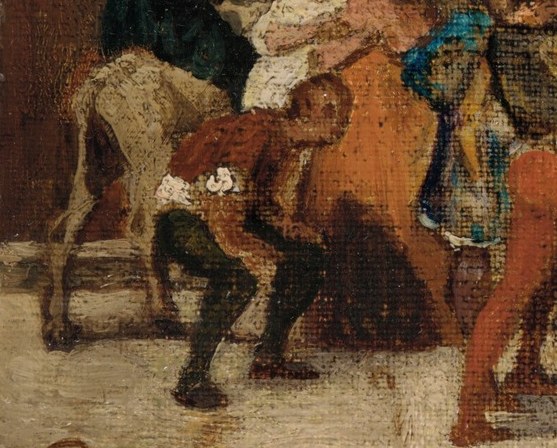
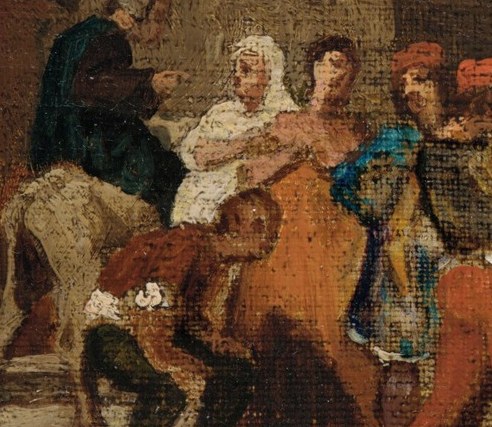
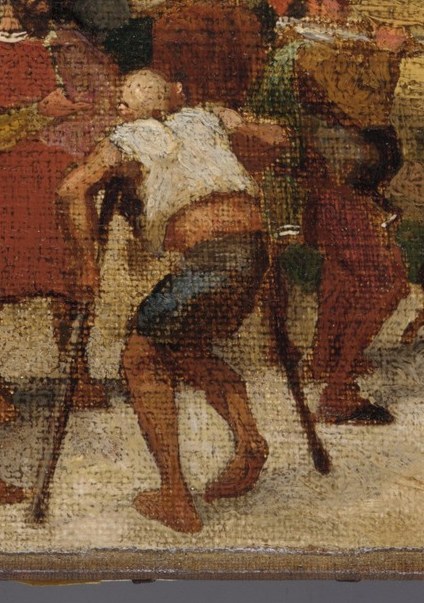
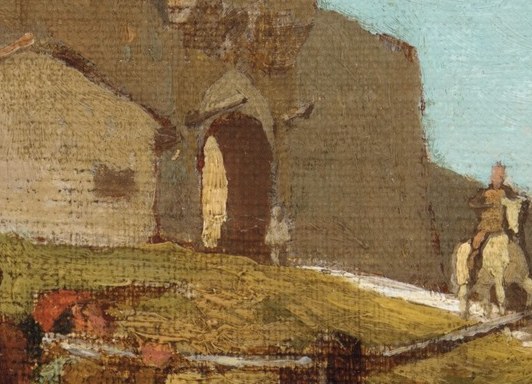
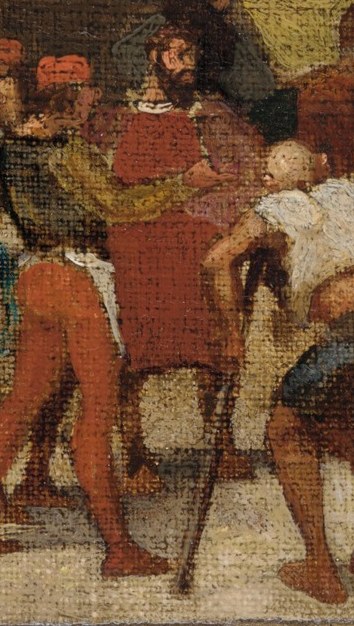
Look closely at the miller, his son, and their donkey, central to the narrative. The surrounding figures and architectural elements create a dynamic backdrop, as if witnessing the fable unfold in real-time. Vedder's use of visible brushstrokes and earthy tones gives the scene a lively, immediate feel.
Before he became celebrated for his Symbolist illustrations, Vedder engaged with Realist principles, grounding this work in observable life. The painting invites us to reflect on the timeless lesson: the futility of trying to satisfy everyone. It's a reminder that sometimes, the simplest stories hold the deepest truths.
What details in the scene best convey the story's chaos?
Details
Transcript
This painting tells an ancient fable. A miller and his son lead their donkey to market. But they can't please everyone they meet. The painter used quick, visible brushstrokes. He captures a bustling, chaotic street scene. The moral of the story: try to please all, and you will please none.