Hautbois Common, Norfolk by John Crome
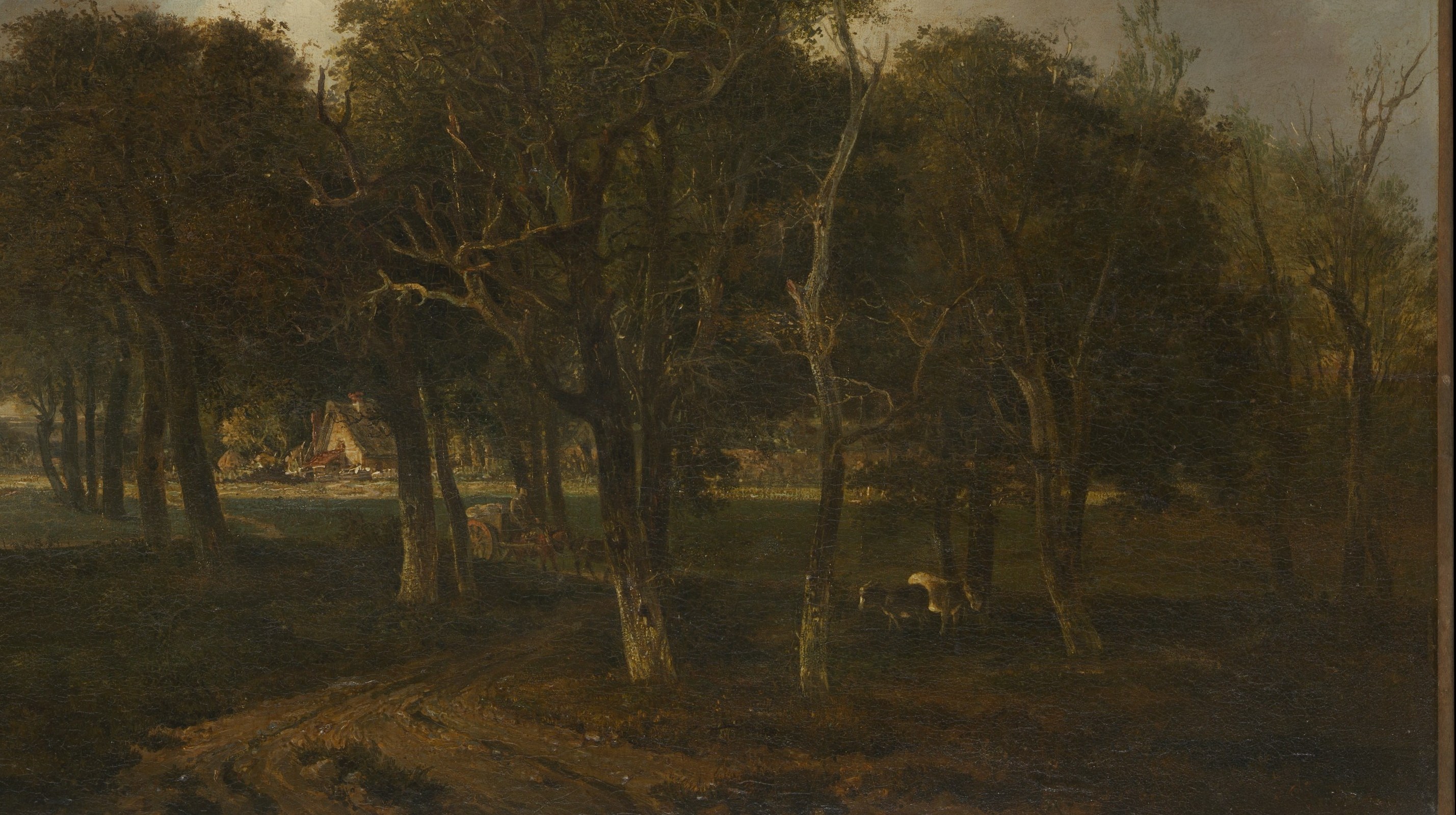
John Crome, a central figure in British landscape painting, dedicated his life and art to his native Norwich, England. This painting, "Hautbois Common, Norfolk," created in 1810, is a prime example of his devotion, now held at The Metropolitan Museum of Art.
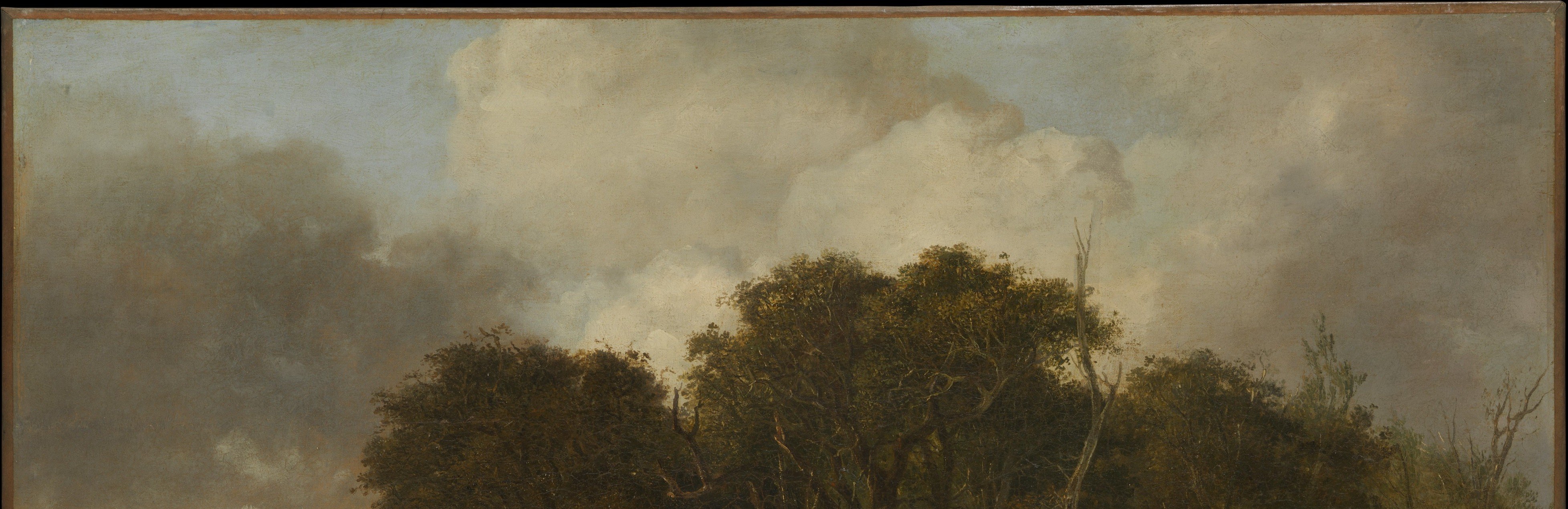
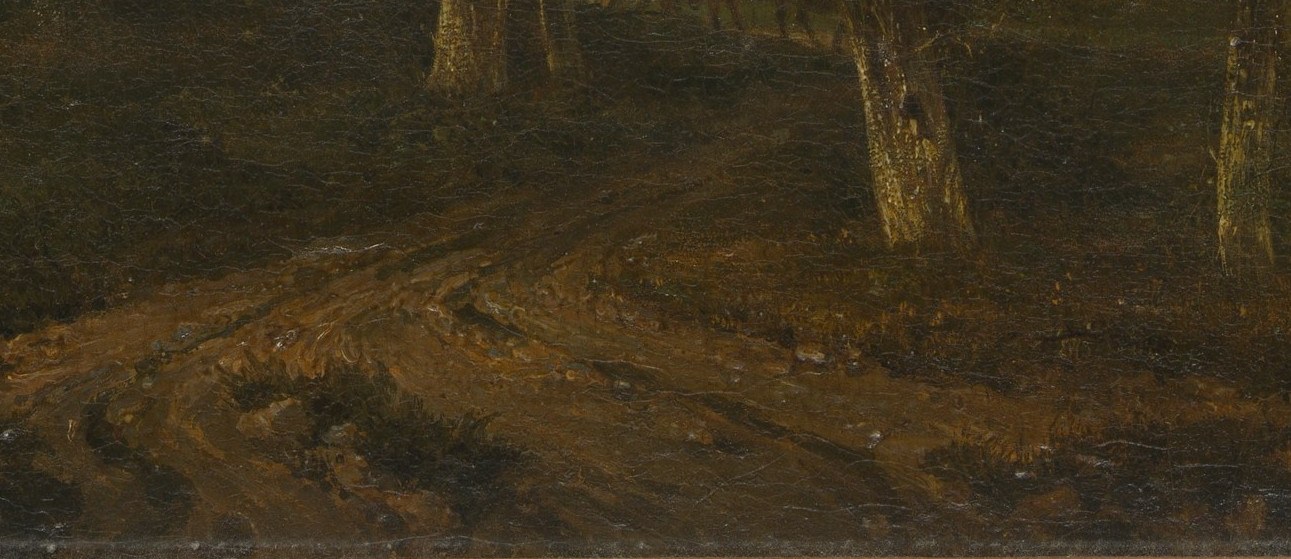
Notice the dramatic, cloud-filled sky and the shafts of light breaking through, a hallmark of Crome's style. He masterfully used chiaroscuro, the interplay of light and shadow, to create depth and volume, particularly in the towering trees.
Crome was a founding member of the Norwich School of painters, a group celebrated for their focus on the local landscape. Though often referred to as 'Old Crome' to distinguish him from his son, his work stands as a testament to the serene beauty of the Norfolk countryside. His meticulous depictions offer a window into early 19th-century rural life.
What details in Crome's landscape capture your eye the most?
Details

Transcript
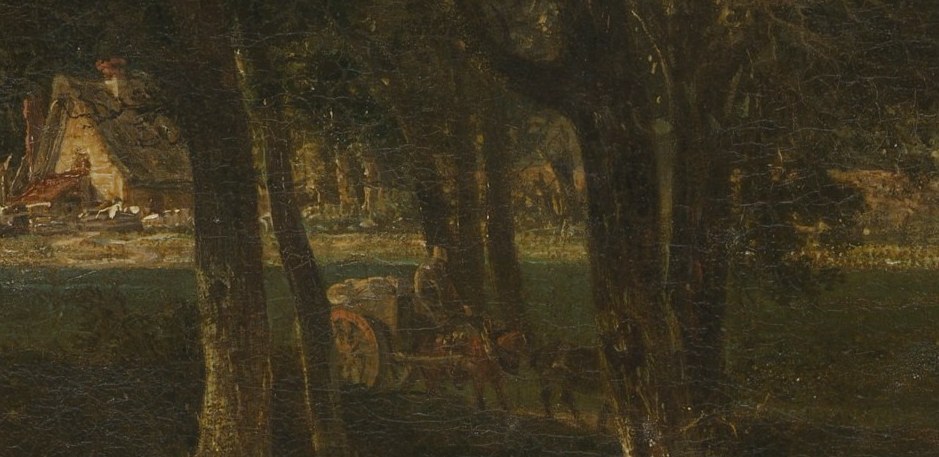
John Crome painted only landscapes of his native Norwich, England. He was a founding member of the Norwich School of painters. Look at the dramatic sky, a signature of his style. The shafts of light break through the heavy clouds. He used light and shadow to create deep, enveloping shade. In the distance, a small village emerges, subtly rendered. This tranquil scene is from Hautbois Common, Norfolk, 1810.