Oedipus Cursing His Son Polynices by Fuseli, Henry
Henry Fuseli's 'Oedipus Cursing His Son, Polynices' (1786) hit the Paris Salon in 1787 and caused a diplomatic incident of taste. Two years before the French Revolution, Fuseli sent a painting of a king as a screaming, irrational, vengeful force. The critics were appalled. They called it barbaric, a nightmare. Fuseli did not apologize.
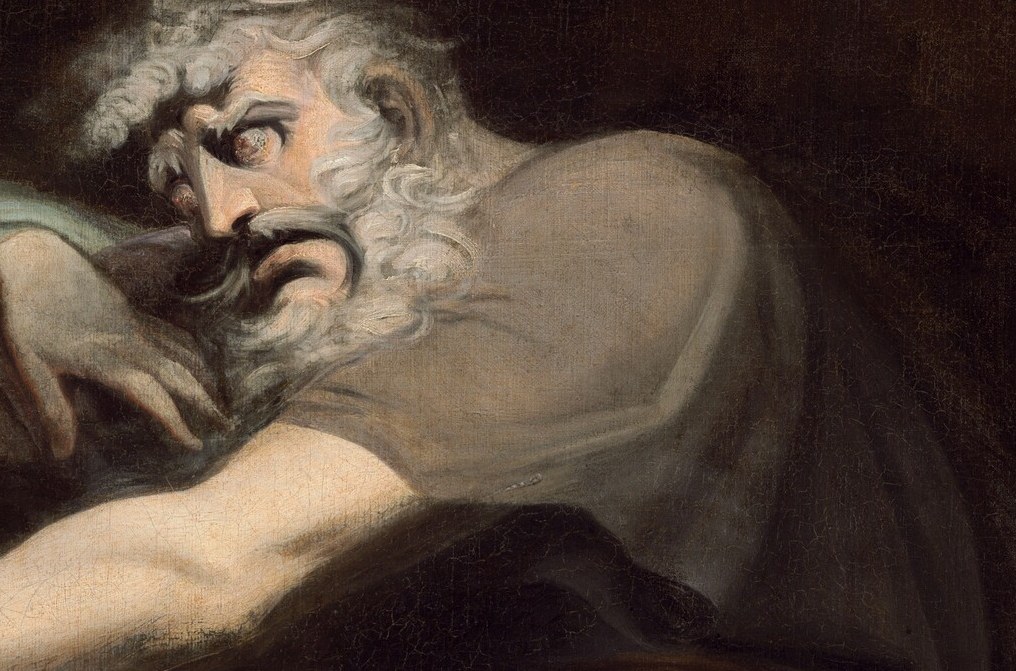
Look at the face first. Oedipus is blind, but his eyes are wide open, staring at nothing and accusing everything. His mouth is a black hollow of sound. Then look at the hands: one points directly at his condemned son, the other is raised like a prophet calling down plague. Fuseli gives him a cruciform pose, but it is not holy. It is pure paternal wrath.
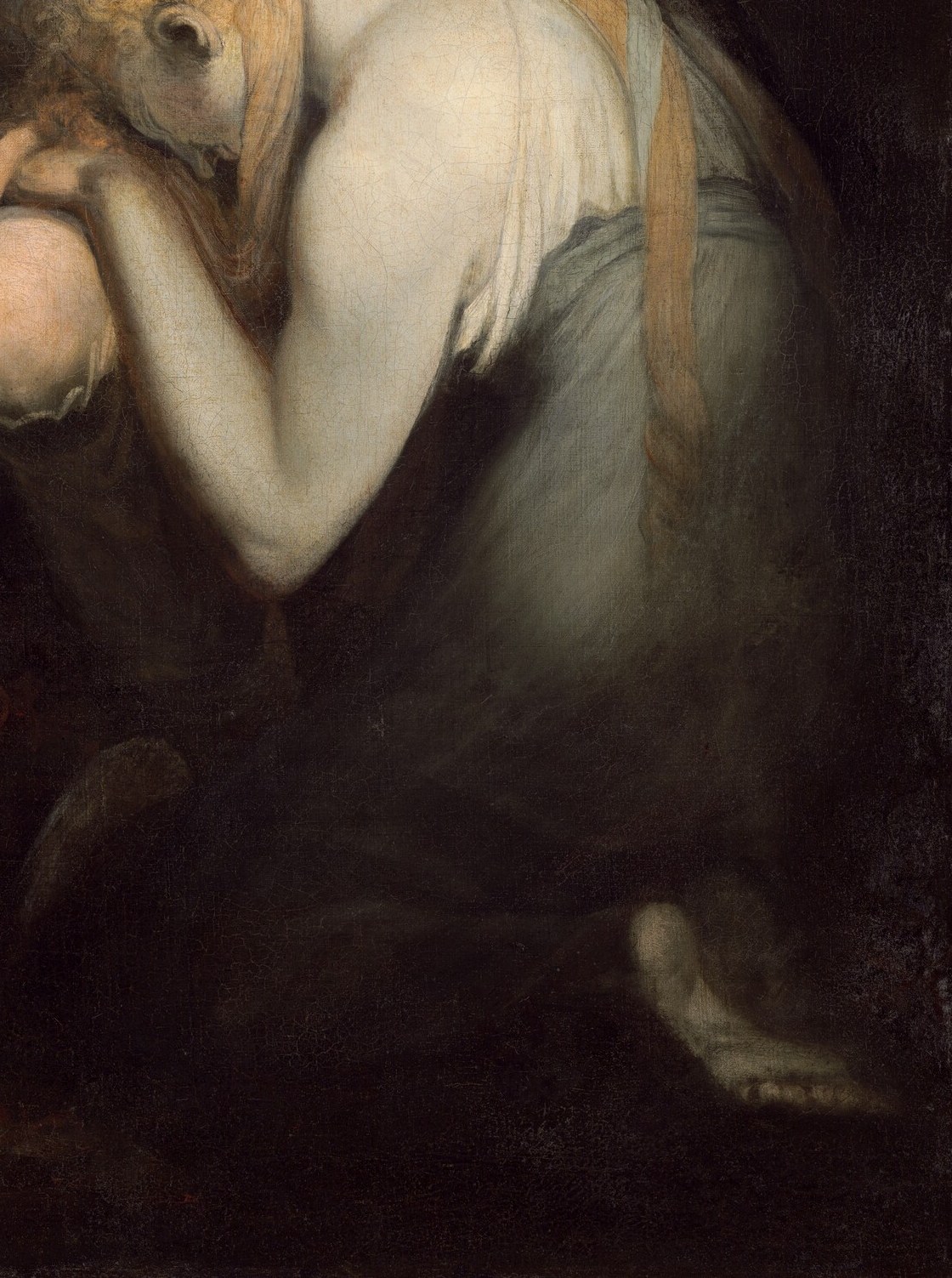
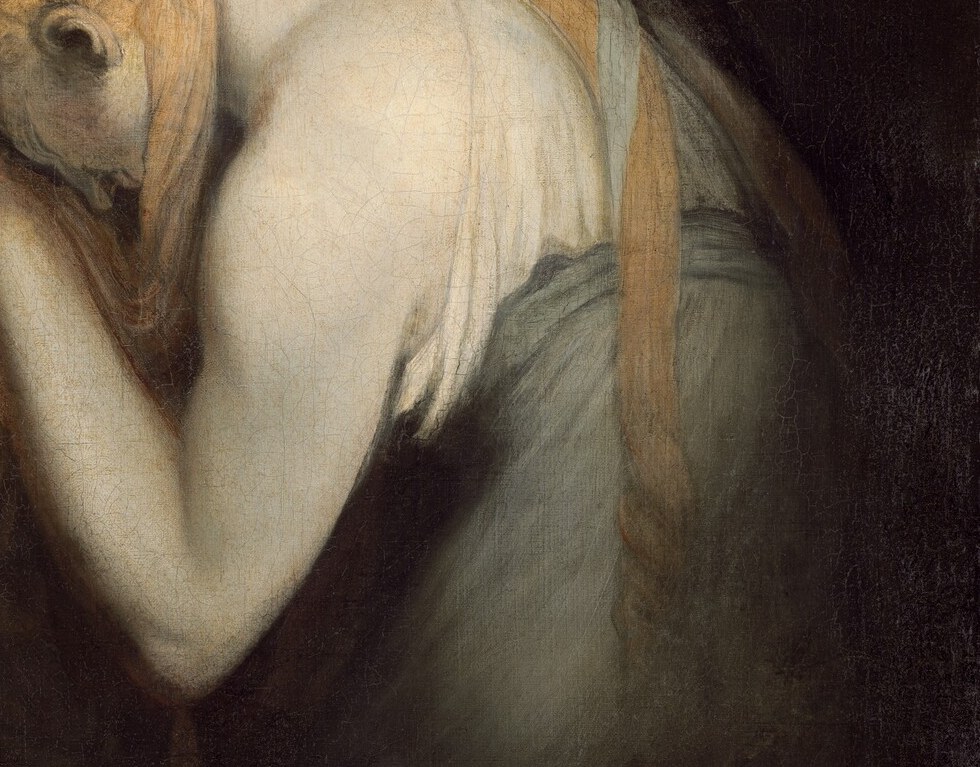
The scene is Sophocles, but the politics were eighteenth-century. An old, exiled king cursing the next generation into civil war read less like Greek myth and more like a warning about hereditary power. The son at the bottom right doesn't argue. He doesn't even show his face. He folds. The tragedy is already over.
Fuseli kept the painting for his own collection, then sent it to his friend William Roscoe. It now lives at the National Gallery of Art in Washington. It remains one of the least comfortable classical paintings ever made, and that is exactly why it still works.
Details
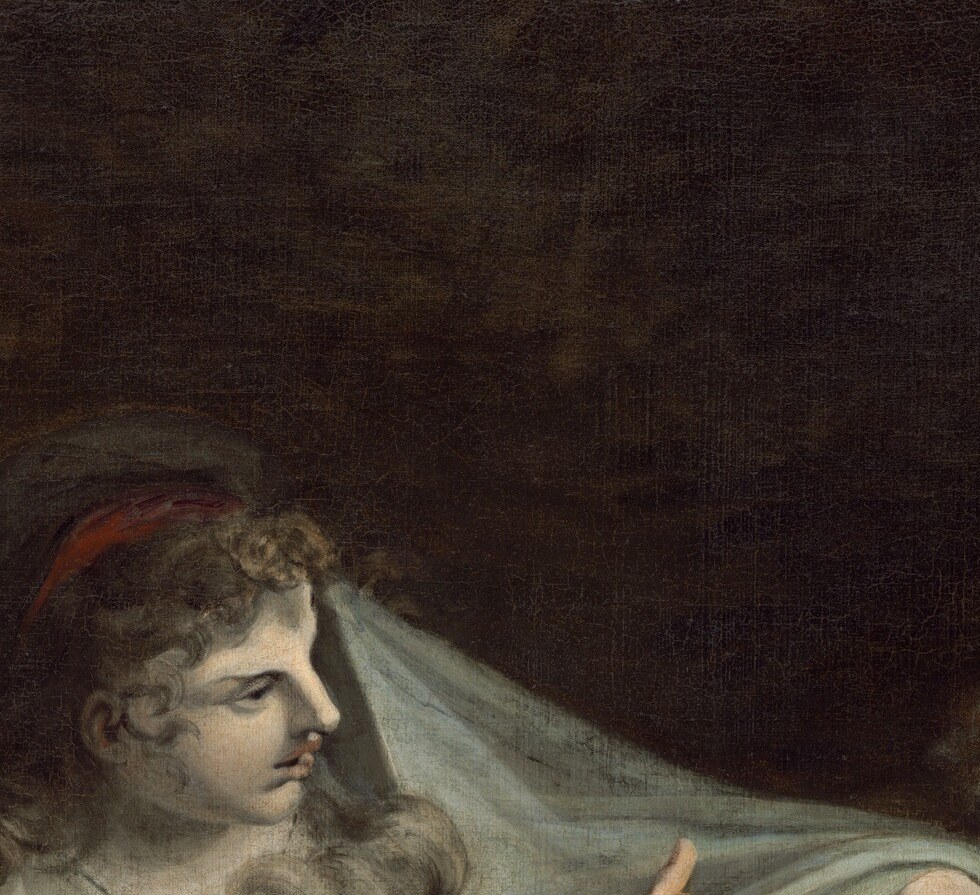
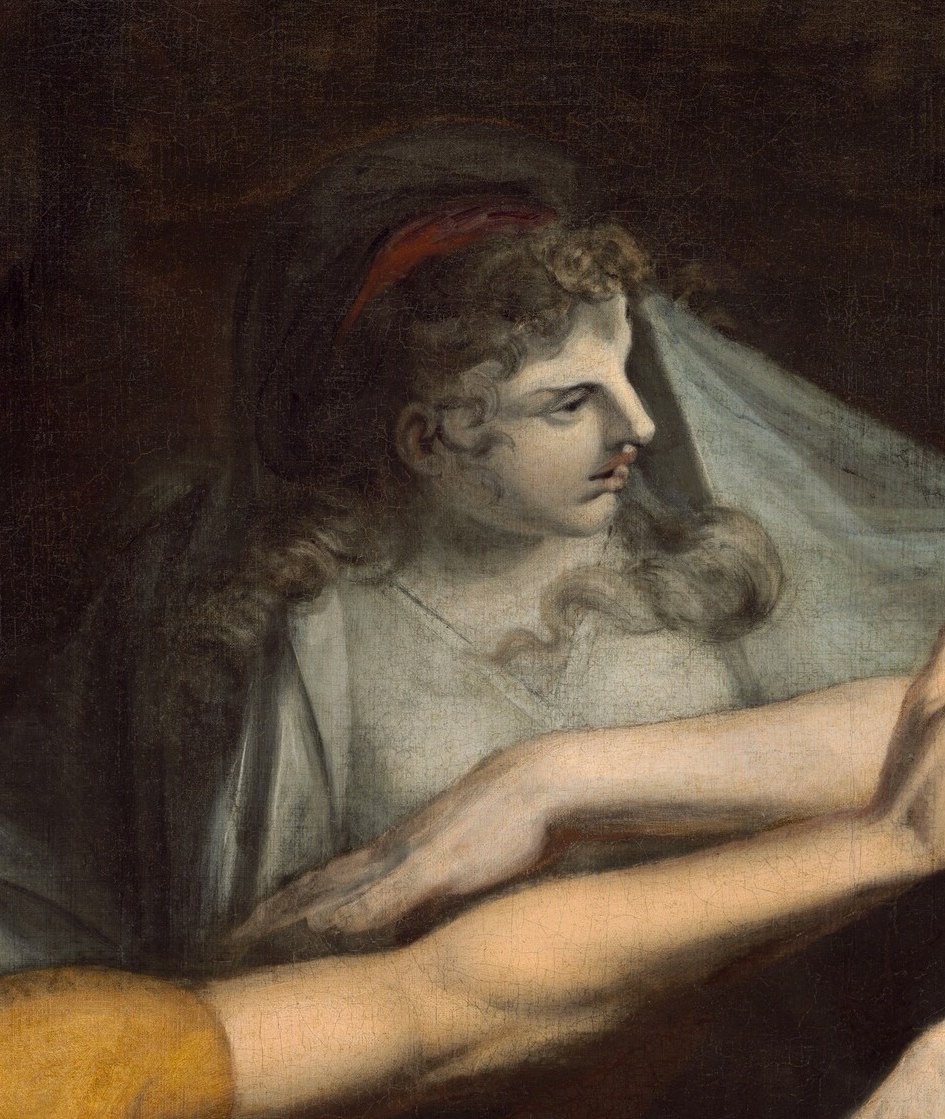
Transcript
Paris, 1787. The salon visitors were not ready. They expected a noble, marble stillness from a classical king. They got this: a father's mouth wide in a curse against his own son. His pointing hand doesn't just scold. It condemns. Fuseli was Swiss, working in London, and a radical. He painted blind Oedipus with the silhouette of an accusing prophet. Critics called the fury indecent. Too animal. Too real. The son doesn't fight. He buries his face and collapses into the dark.