Objects of Art from the Louvre by Blaise Alexandre Desgoffe
Blaise Alexandre Desgoffe's Objects of Art from the Louvre (1874) presents a silent narrative within its meticulous still life. This painting isn't just about beautiful objects; it's a carefully composed code, revealing layers of meaning through its subject matter.
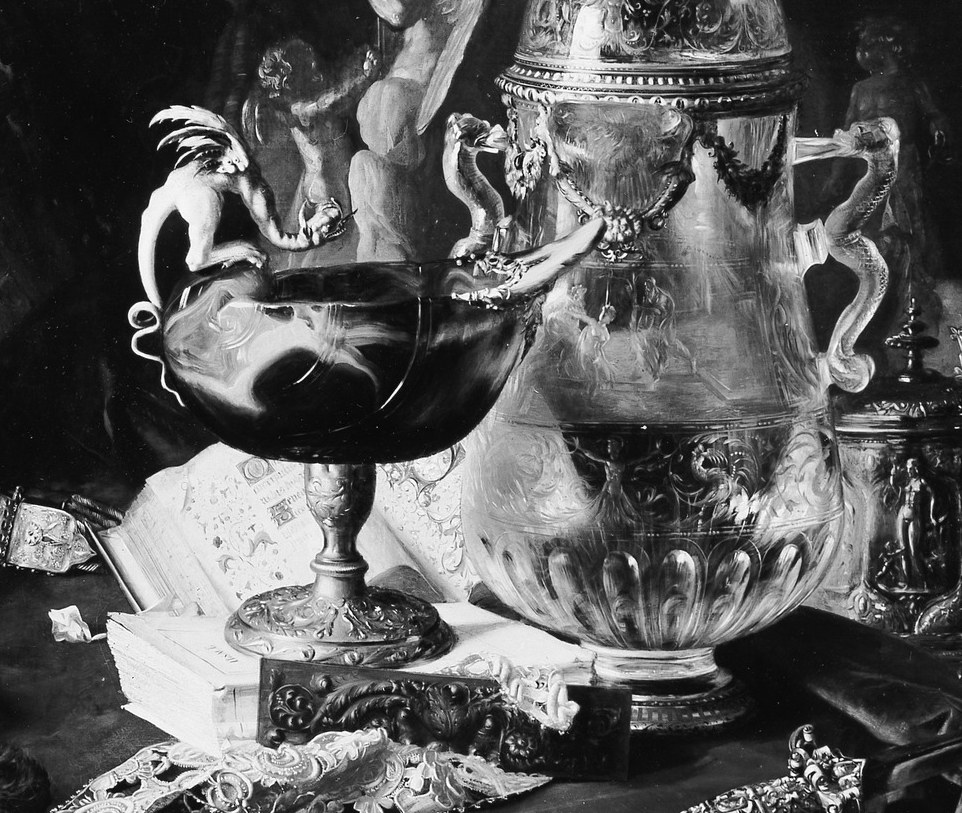
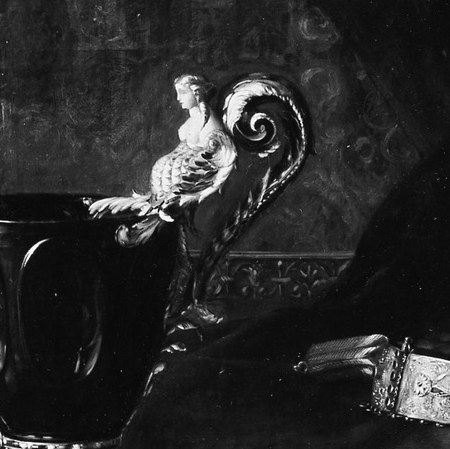
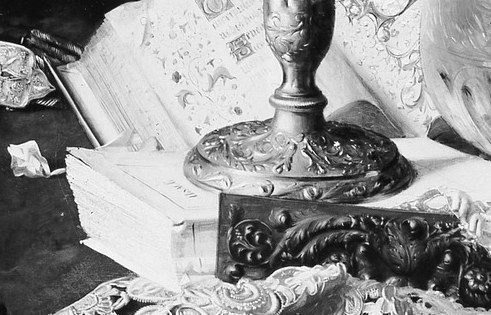
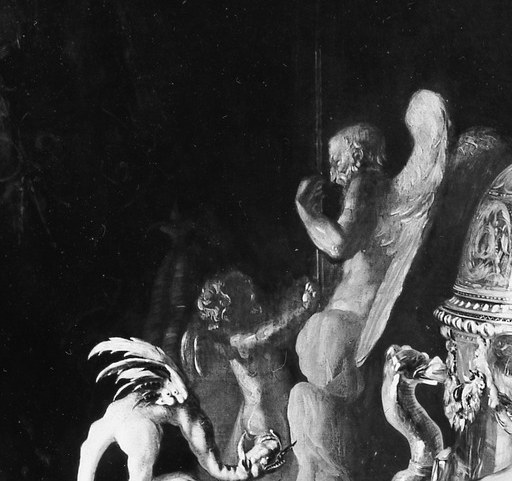
Observe the selections: the ornate silver ewer, the powerful eagle-head vase, and the glittering jeweled dagger. These items, combined with the elegant folded fan, speak of wealth, history, and artistic value. Desgoffe renders each with incredible detail, using light and shadow to make their textures and forms almost palpable.
Desgoffe, a respected French painter and recipient of the Légion d'honneur, was known for his precise technique. This painting, likely showcasing artifacts from the famed Louvre museum, exemplifies his skill in capturing the material essence of precious objects, turning a still life into a visual message about art and collecting.
The painting invites us to look beyond mere representation and consider the stories these objects tell.
Details
Transcript
This painting is a carefully crafted code. Look at the objects Desgoffe chose. The eagle head vase suggests ancient power. The jeweled dagger represents wealth. Even the fan hints at luxury and leisure. These objects were likely from the Louvre. Desgoffe used light to make them glow. He painted a collection of precious things.