The Swing by Nicolas Lancret
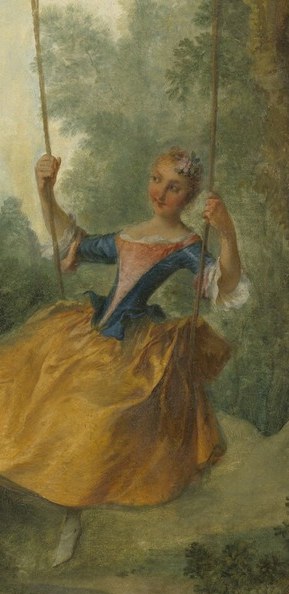
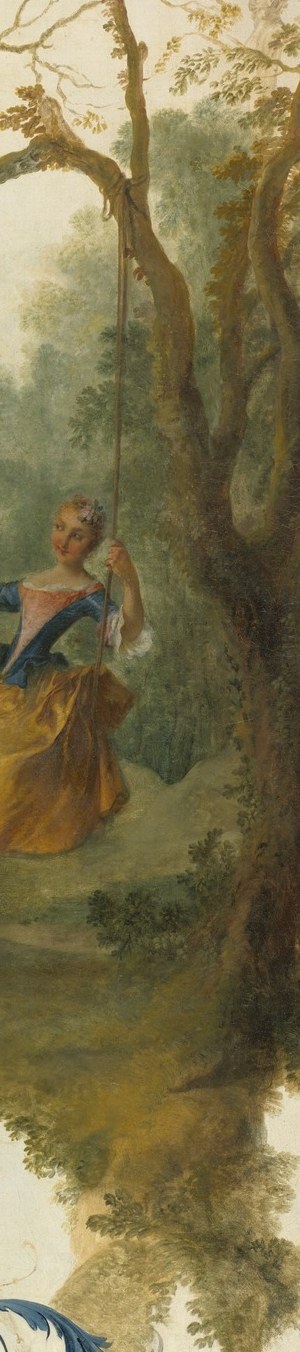
Nicolas Lancret's "The Swing" from 1725 is more than just a playful garden scene; it's a prime example of Rococo art's fascination with hidden desires and clandestine arrangements. The painting captures a fleeting moment of aristocratic leisure, yet hints at a more complex, perhaps scandalous, interaction beneath the surface.
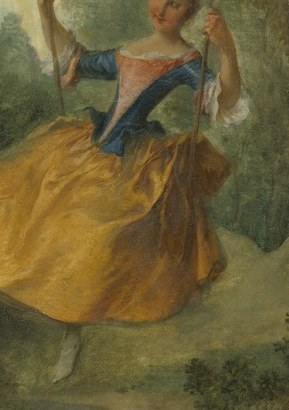
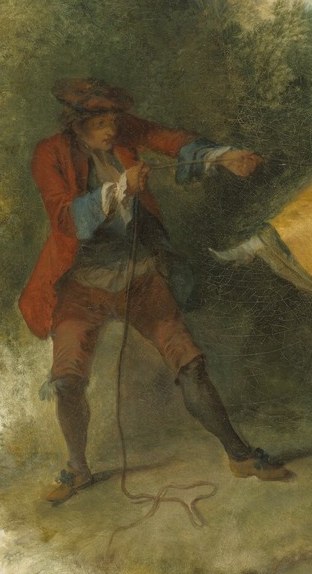
Notice the woman in her vibrant yellow gown, caught in mid-air on the swing, her pose suggesting abandon. Look closely at the man pulling the rope; his furtive glance and the hidden whip in his hand reveal a voyeuristic element and suggest a relationship that is not entirely innocent. The lush garden setting, while idyllic, also creates a sense of intimacy and hiddenness.
Lancret was a master of depicting the light comedy and social manners of French society during the Regency and early reign of Louis XV. This painting, with its subtle allusions and elegant execution, reflects the era's taste for playful sensuality and coded meanings. The presence of the rooster at the top also adds an allegorical layer, potentially symbolizing vanity or the breaking of dawn on a new day.
The painting invites us to look beyond the surface, to ponder the unspoken stories within its elegant composition. What secrets are truly being shared in this fleeting, playful moment?
Details
Transcript
This is not a simple garden scene. Look at the woman mid-air on the swing. Her yellow gown billows with playful abandon. He pulls the rope with a furtive glance. A whip hides in his hand, a secret thrill. The scene was painted in 1725. Rococo art often hid secret desires. The rooster may symbolize vanity or dawn.