Wild Cattle Grazing on the Pampa del Sacramento by Catlin, George
George Catlin, an American lawyer and painter best known for documenting Native American life in the American West, painted *Wild Cattle Grazing on the Pampa del Sacramento* in 1862. This oil on card, now at the Smithsonian American Art Museum, captures a vastly different landscape from his more famous works.
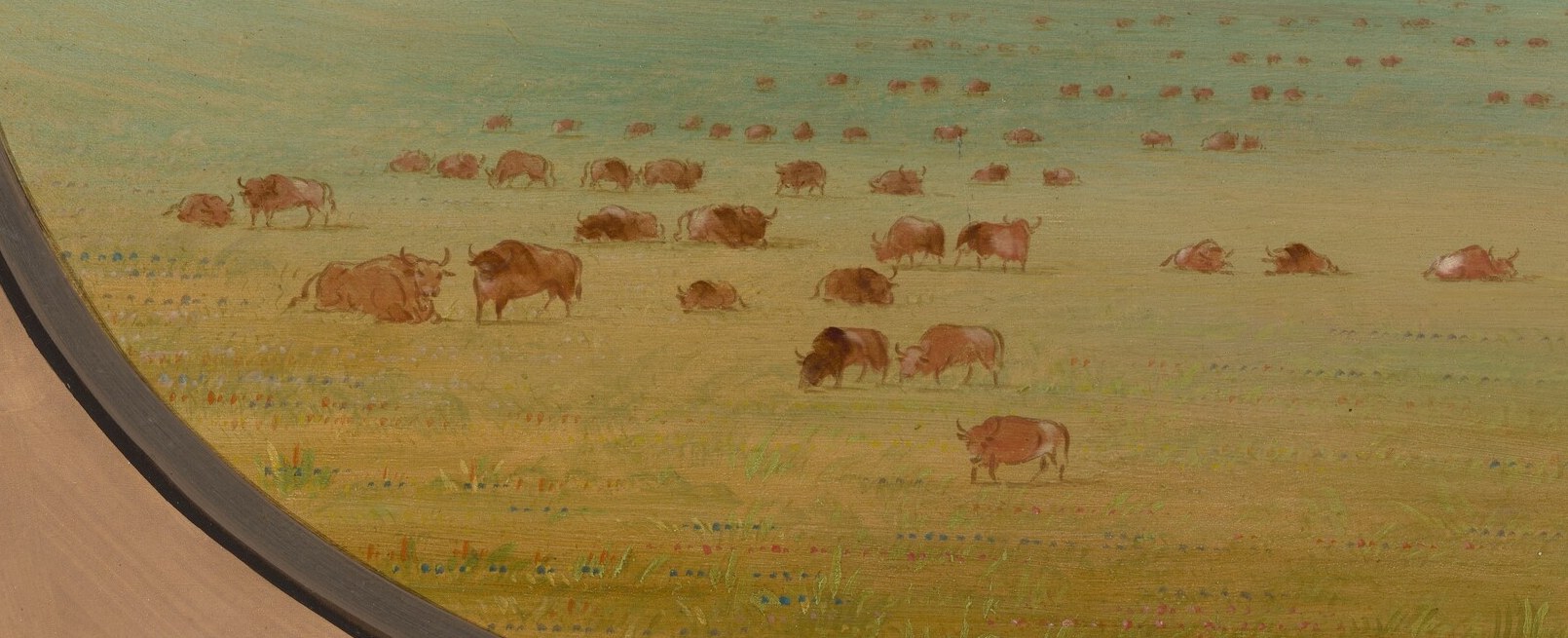
The painting offers a glimpse into the Pampa del Sacramento, a region in what is now Peru, as it appeared in the mid-19th century. Observe the expansive, unfenced plains, where wild cattle graze freely, emphasizing the untamed nature of the environment before widespread human intervention.
Catlin's shift in focus to a South American landscape illustrates the breadth of his geographic interests and his commitment to documenting remote regions and their natural inhabitants. The work reflects a contemporary interest in realism, portraying subjects unembellished and true to observation.
What details in the painting help tell the story of this specific place and time?
Details
Transcript
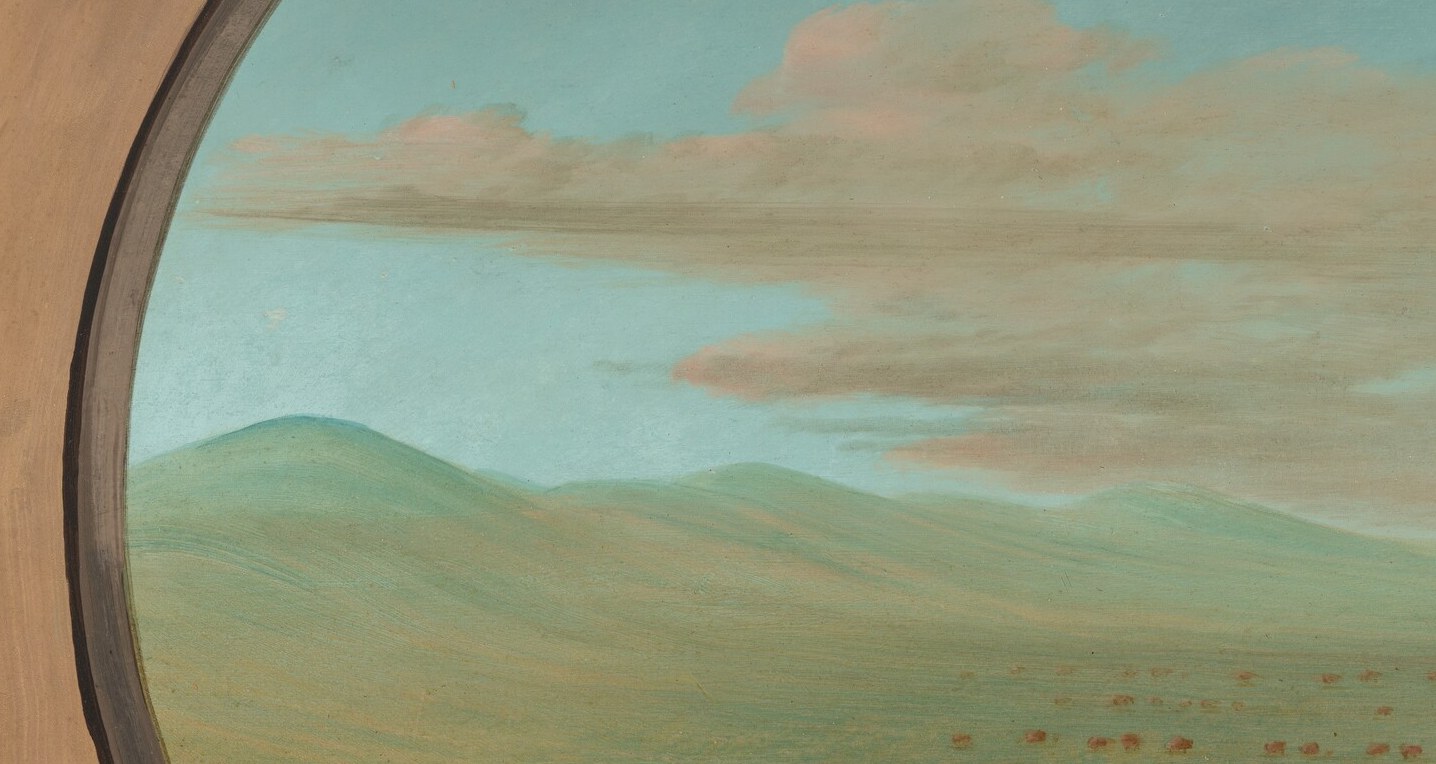
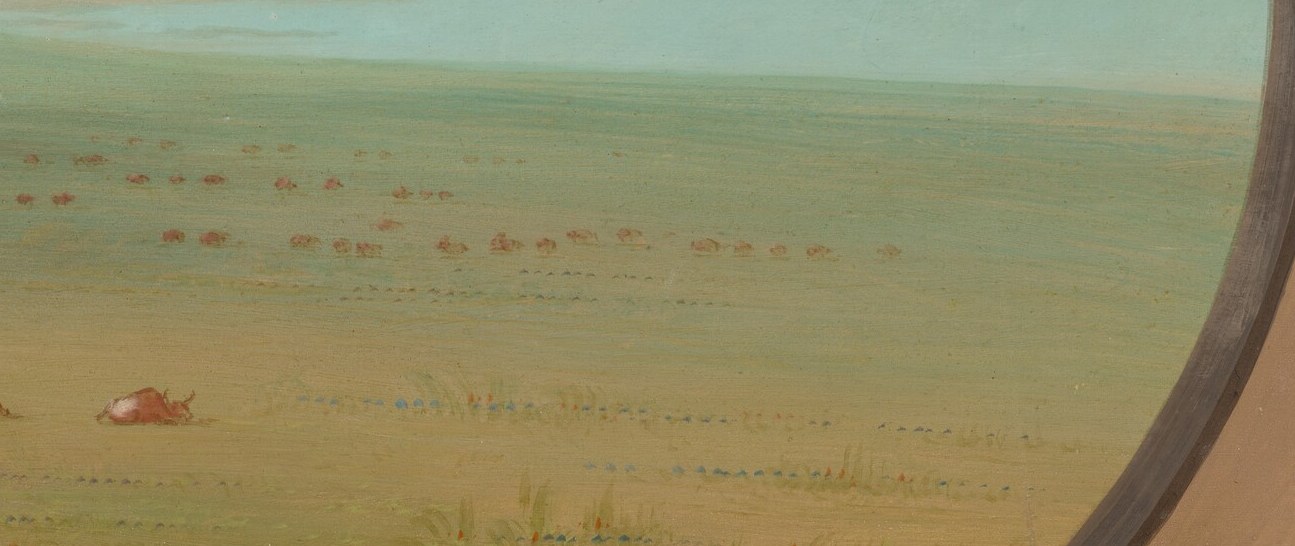
This painter was famous for documenting American frontier life. But in 1862, he depicted wild cattle grazing in South America. This is the Pampa del Sacramento, in present-day Peru. The land stretches vast, with no human presence or fences. Only dry grasses and small, resilient red flowers grow here. It captures a wild landscape, before extensive human development.