Friedrich III (1463–1525), the Wise, Elector of Saxony by Lucas Cranach the Elder
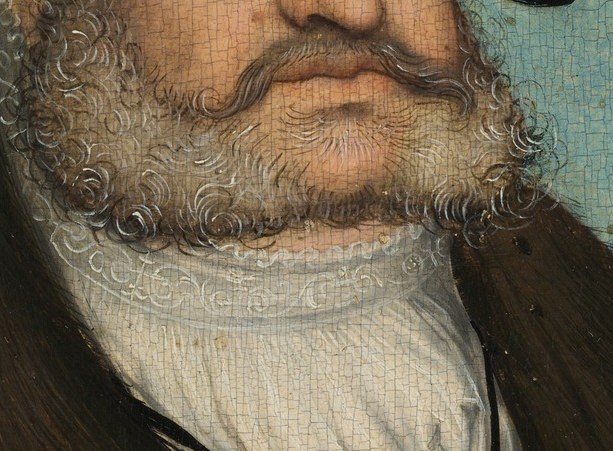
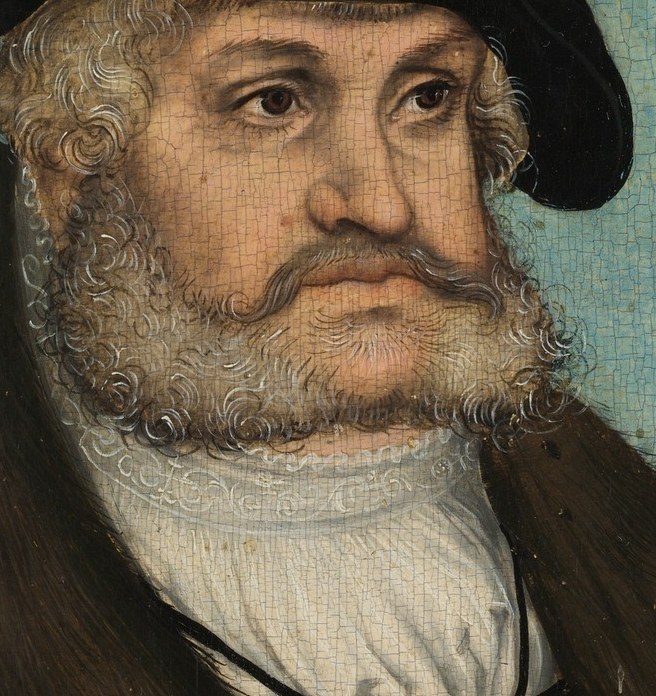
This striking portrait of Friedrich III, the Wise, Elector of Saxony, painted by Lucas Cranach the Elder in 1533, offers more than just a likeness; it tells a story through its embedded text. Held at The Metropolitan Museum of Art, it captures a significant historical figure.
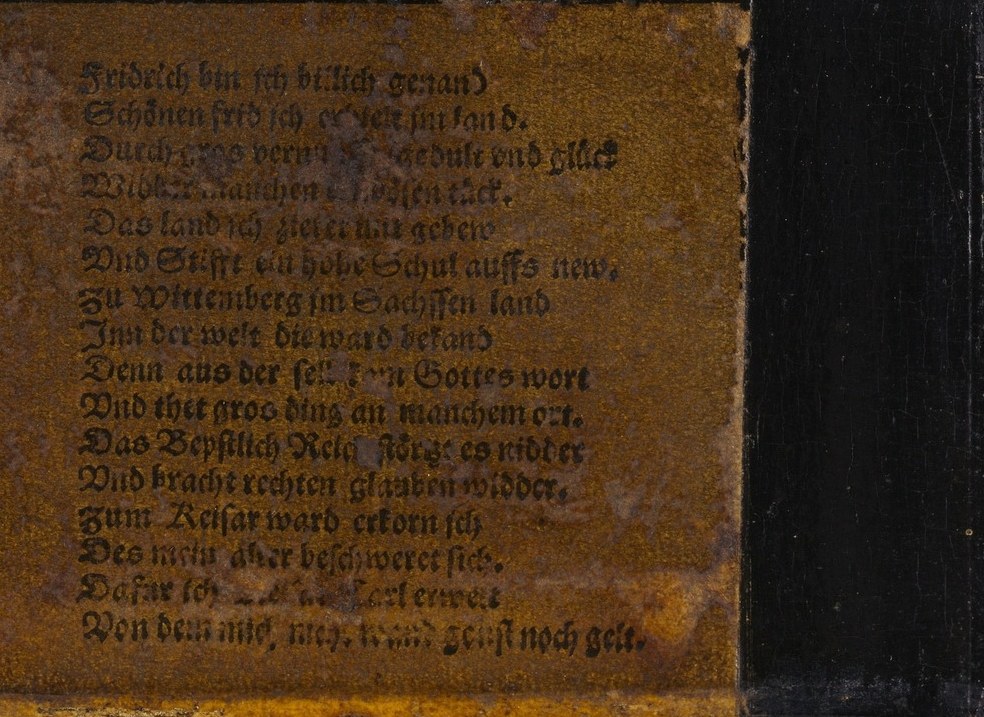
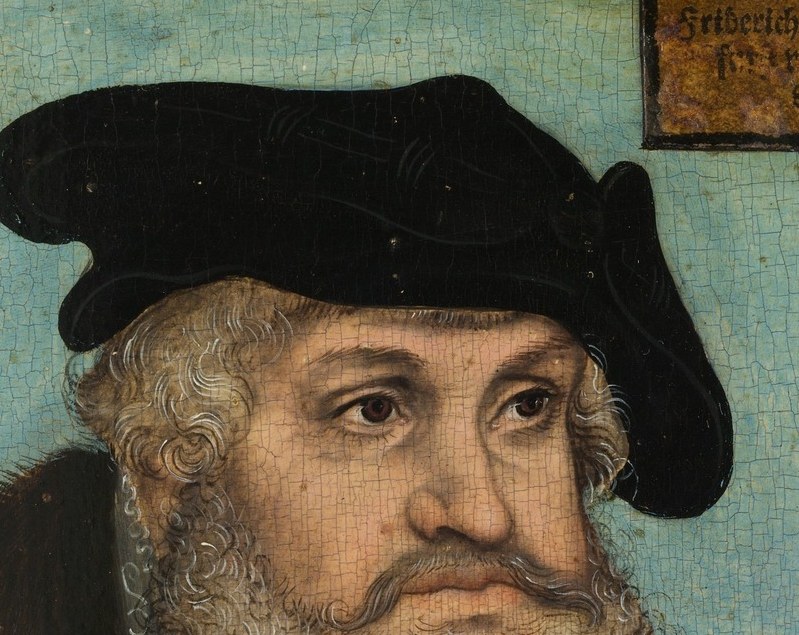
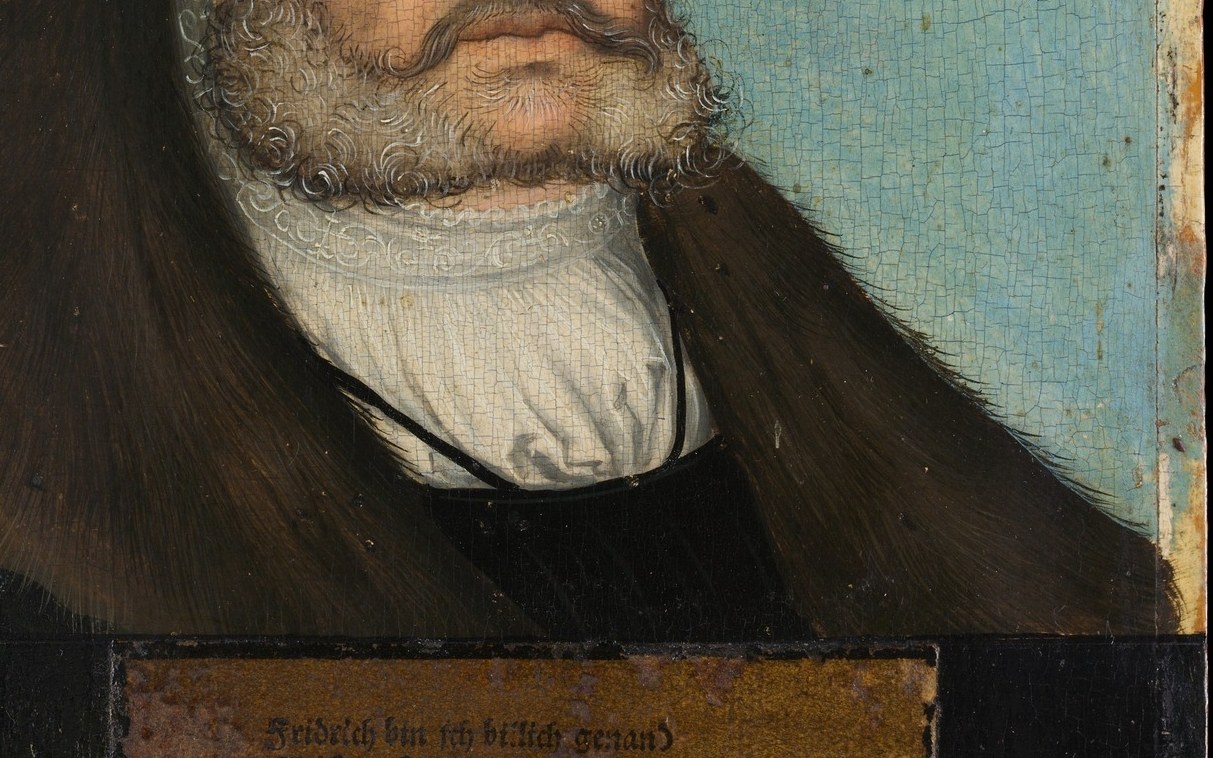
Observe Friedrich's commanding presence, from his distinctive black hat to his impressive white beard. But the true gem lies in the faded inscription below his shoulder, a long poem that, upon closer inspection, reveals much about how Friedrich wanted to be remembered.
Lucas Cranach the Elder, a close friend of Martin Luther and court painter to the Electors of Saxony, was not just an artist but often a communicator of his patrons' virtues. The poem praises Friedrich's wise governance, affirming why he was known as 'the Wise.' This subtle addition transforms the portrait into a piece of historical propaganda, a common practice in the Renaissance.
What other hidden messages do you think artists embedded in their works?
Details
Transcript
This is Friedrich the Wise, painted in 1533. He was a powerful German prince, known for his long white beard. Look closely at the inscription below his shoulder. This faded poem praises his wise governance. It was added by his painter, Lucas Cranach the Elder. It ensures the viewer knows his nickname was earned.