John Randolph by Harding, Chester
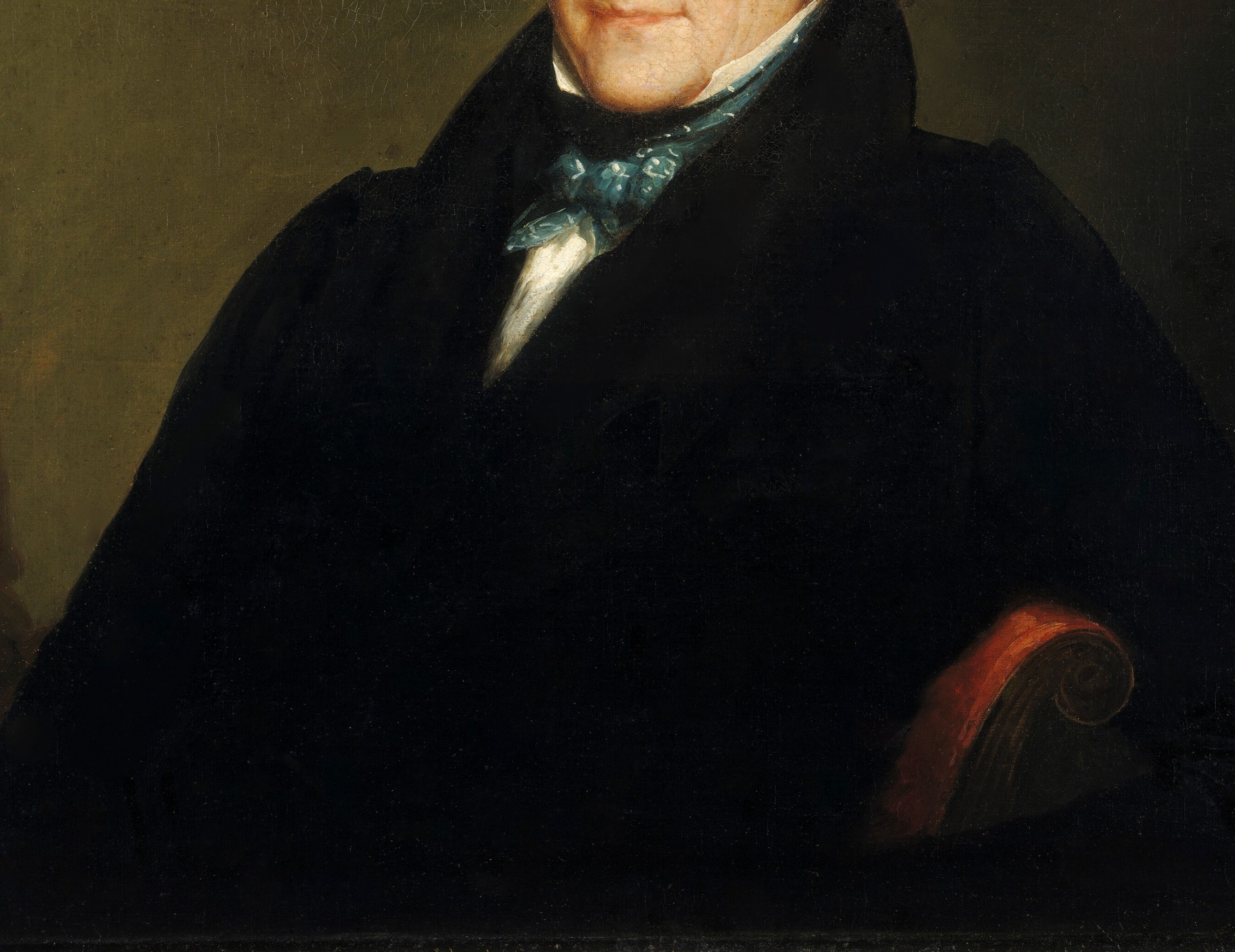
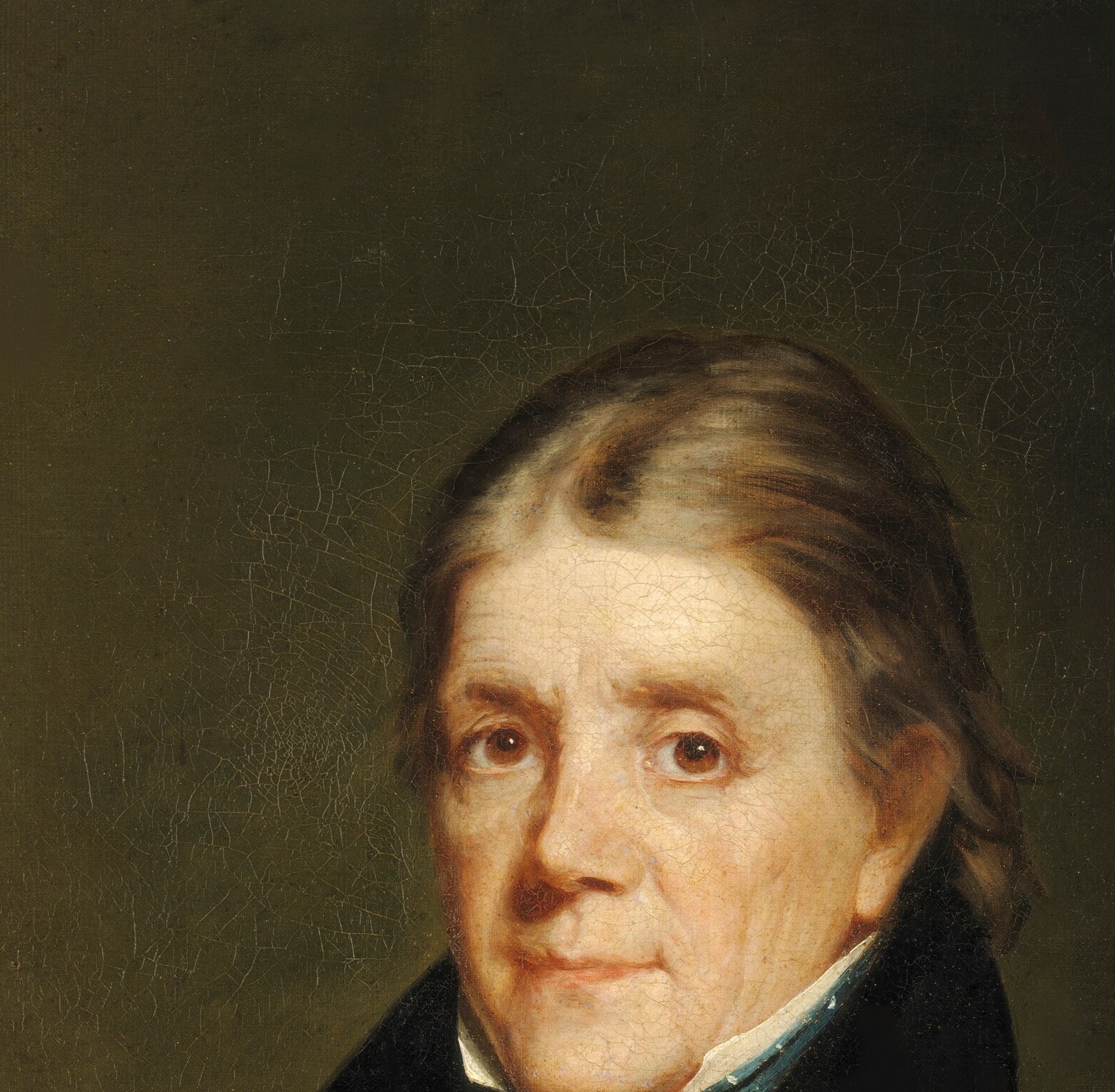
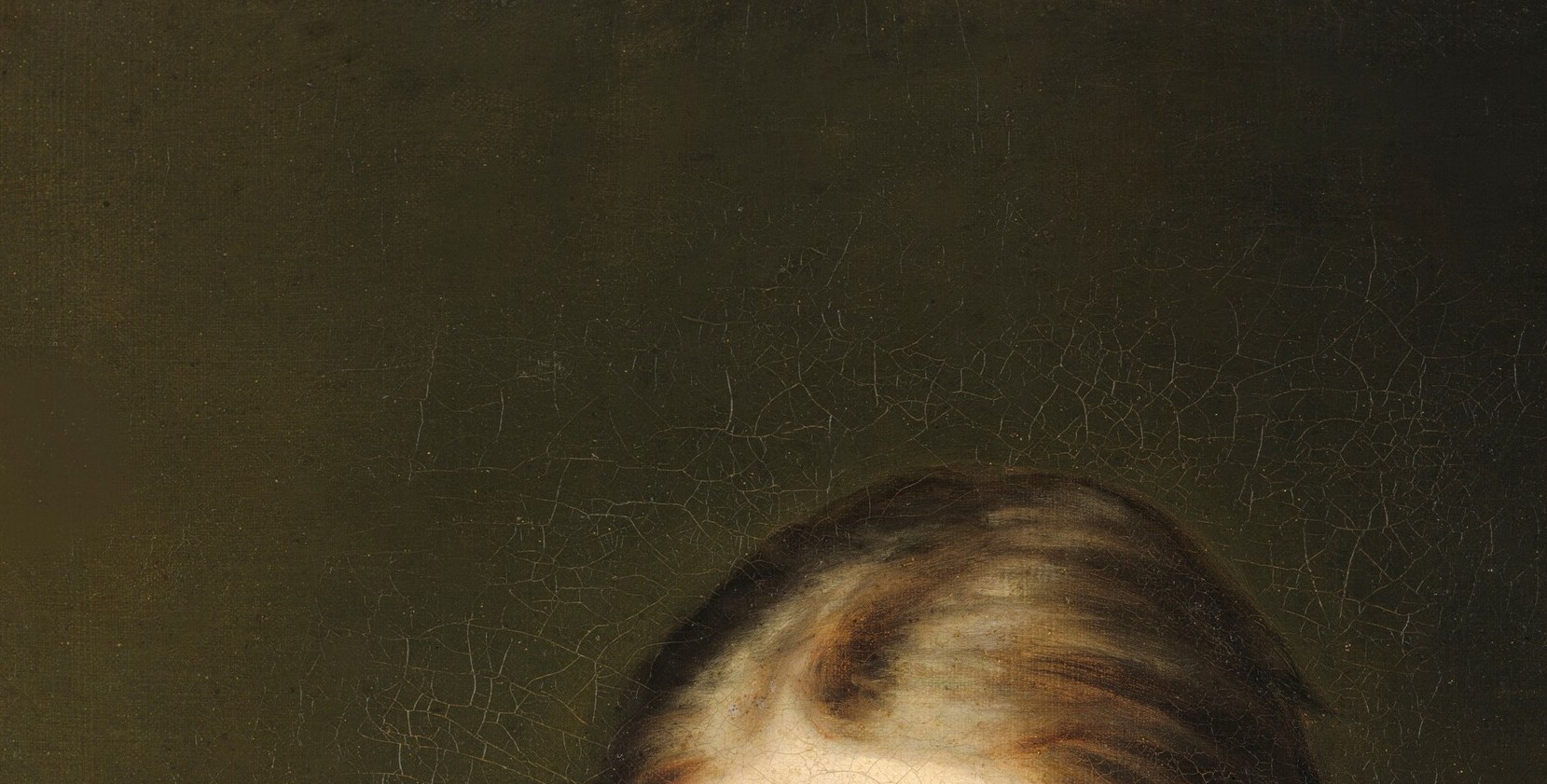
Chester Harding's 1829 portrait of John Randolph, held at a prominent American museum, is a masterclass in tonal economy. The painter uses a minimalist palette to create a striking sense of luminosity and presence.
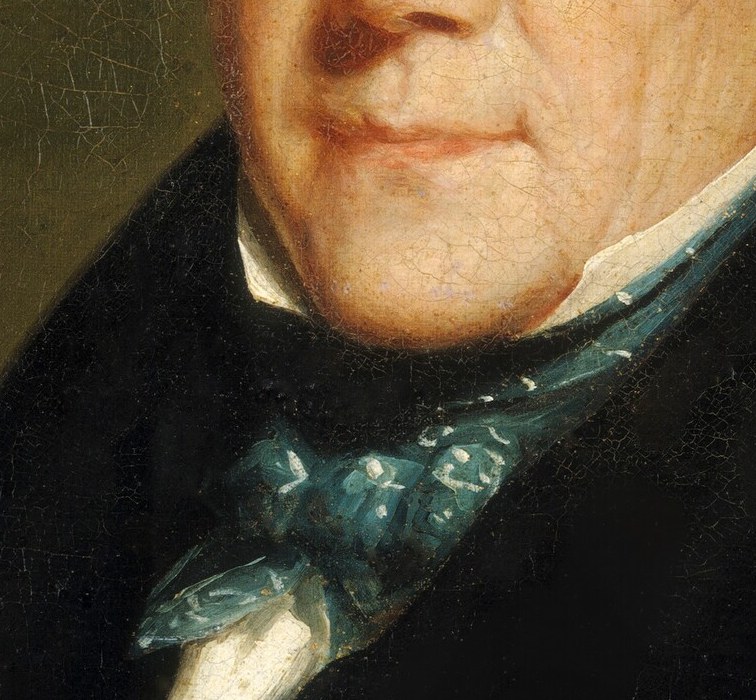
Notice how Randolph's white cravat and pale face seem to radiate light against the deep, almost monochrome background of his dark coat. This dramatic contrast draws the viewer's eye directly to his intense gaze and gaunt features.
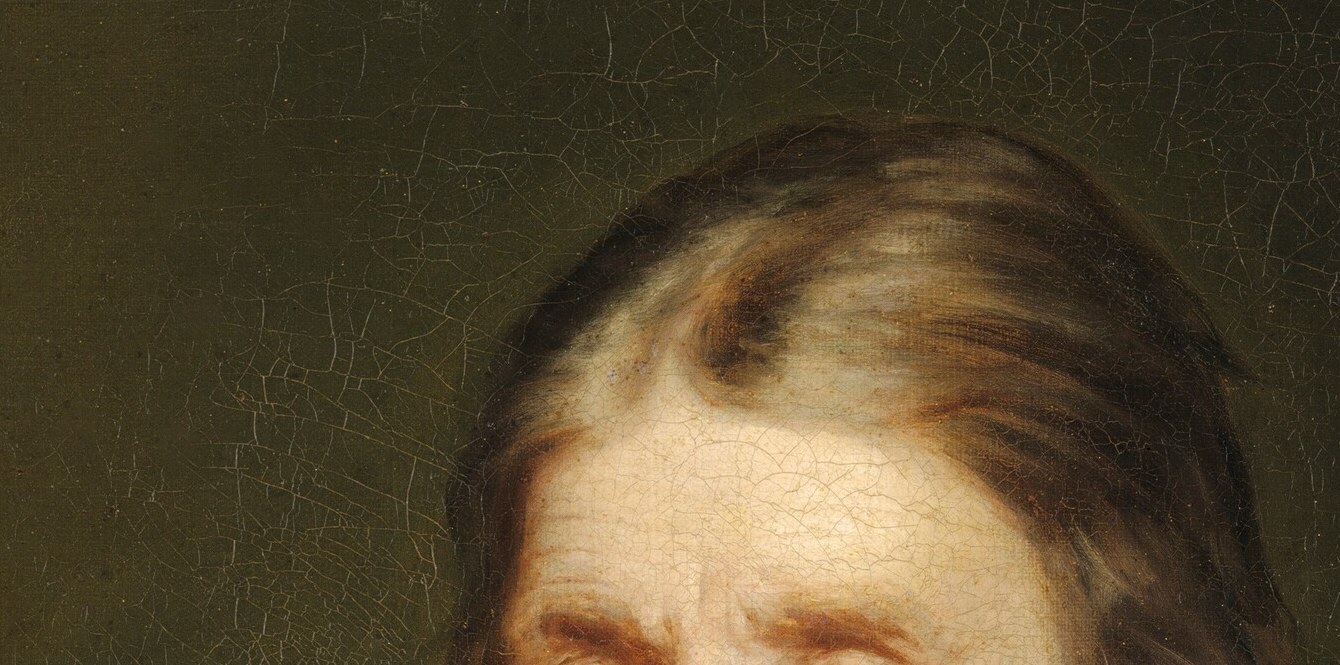
Harding, known for his ability to capture character, employed chiaroscuro to emphasize Randolph's formidable personality, a man famous for his sharp intellect and even sharper tongue in early American politics. The portrait is not just a likeness but a study in light's power to reveal.
How does this use of light and shadow make you feel about the sitter?
Details
Transcript
This man was famous for his sharp wit and sharper tongue. The painter built this whole figure from just a few dark tones. But look at the luminous white of his cravat. This flash of light draws your eye straight to his face. The face, pale and gaunt, appears to glow from within. A trick of light and shadow, making him unforgettable.