St Luke Drawing the Virgin by Rogier van der Weyden
Painted around 1440 by Rogier van der Weyden, *St Luke Drawing the Virgin* is a stunning example of early Netherlandish oil painting, now housed in the State Hermitage Museum. Van der Weyden was a master of his craft, excelling in the new medium of oil paint.
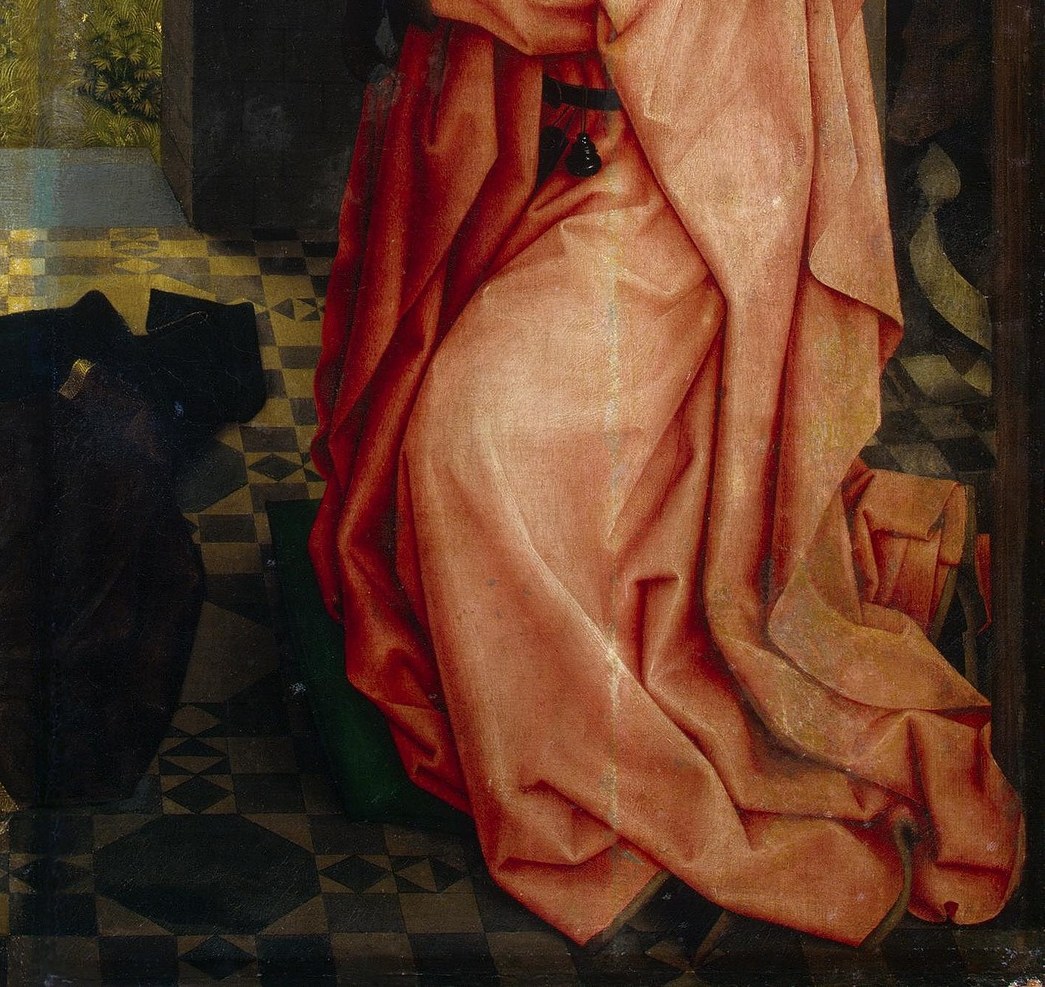
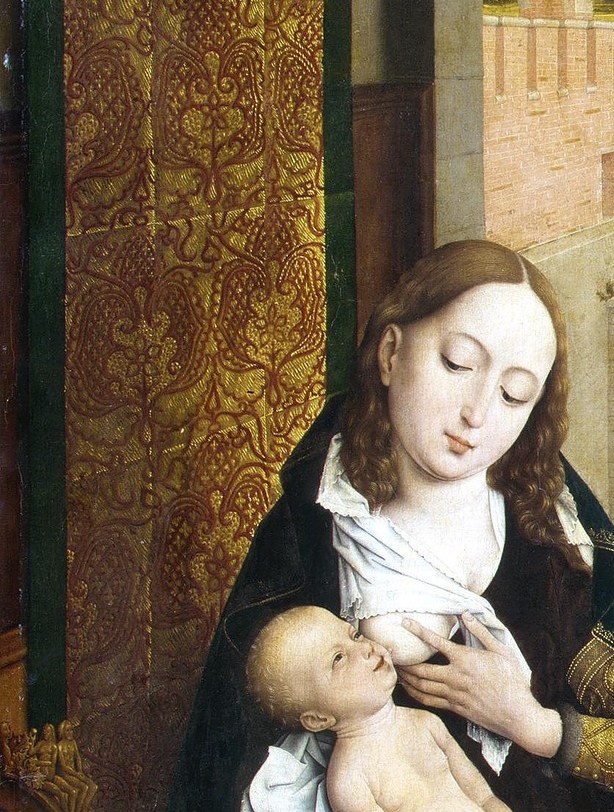
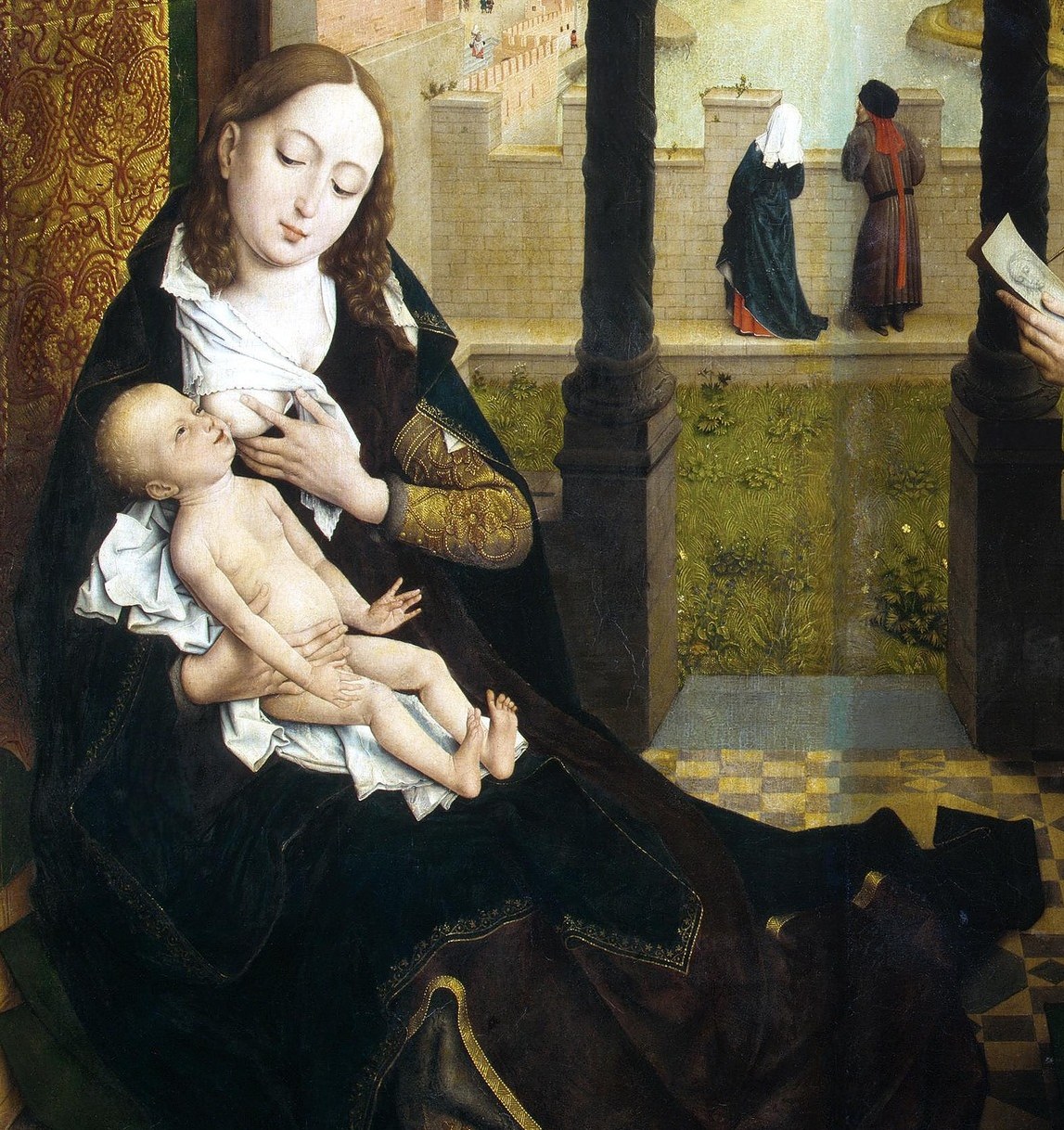
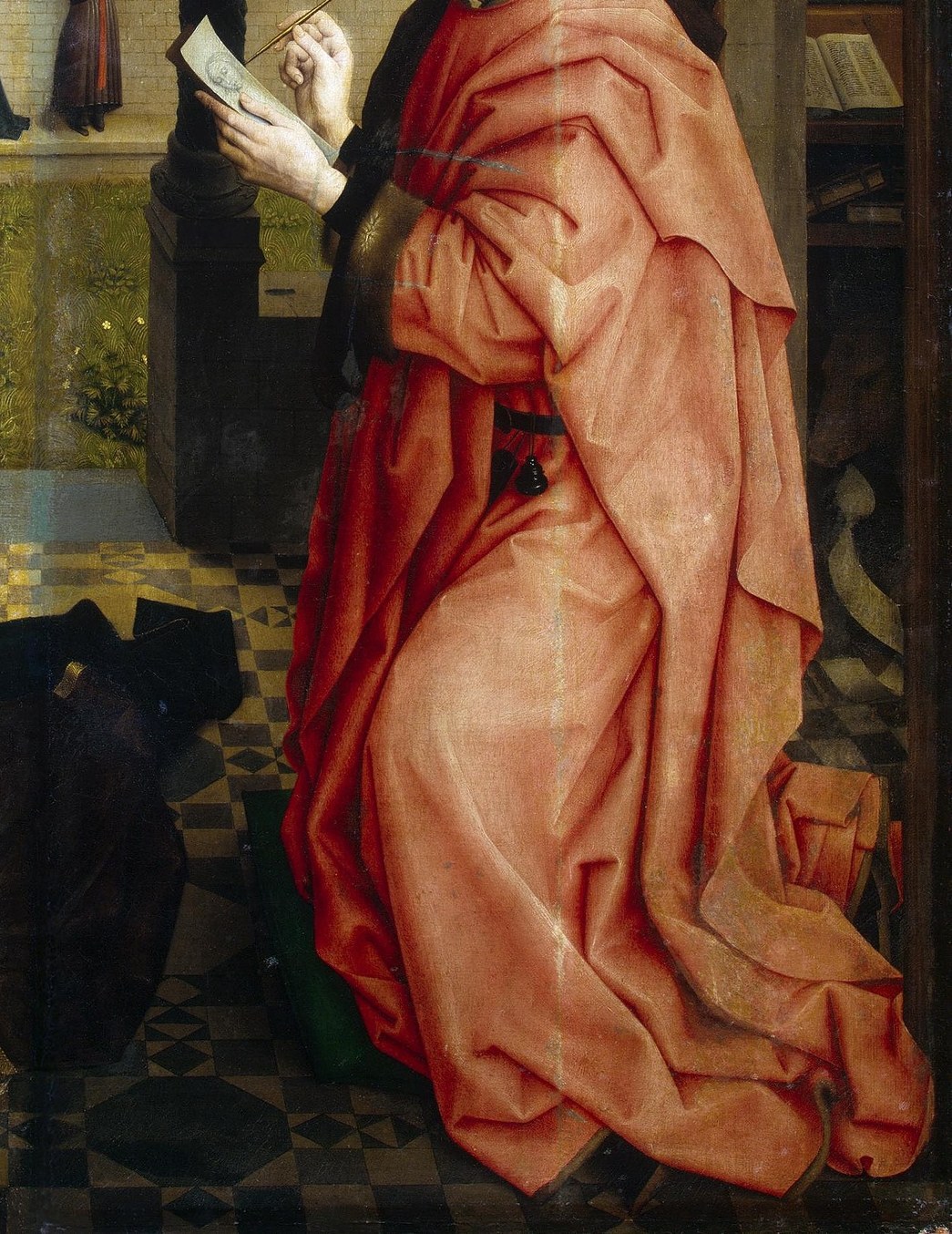
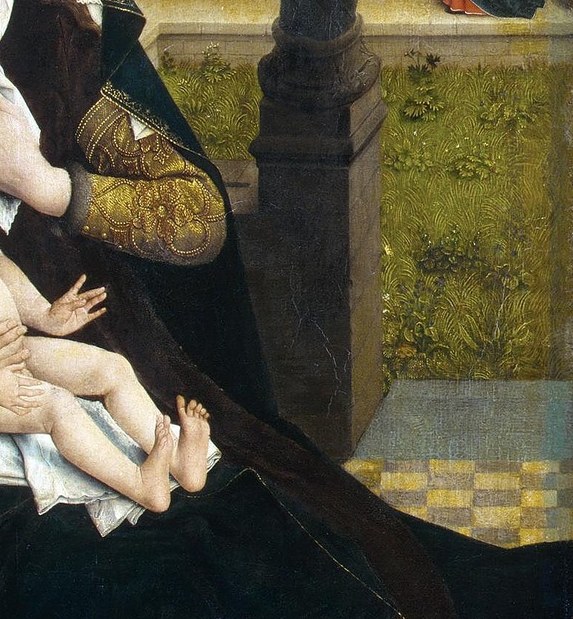
Observe the incredible detail in the textures. Saint Luke’s voluminous red robe is rendered with such depth that the fabric feels palpable. The intricate pattern of the textile on the left wall showcases an almost impossible level of precision, created thread by painstaking thread.
Rogier van der Weyden was highly successful in his lifetime, with his works admired across Europe. By the latter half of the 15th century, his fame even surpassed that of his contemporary, Jan van Eyck. His meticulous technique and ability to create such lifelike details contributed greatly to his widespread acclaim.
What other details do you notice in the painting that show the artist's incredible skill?
Details
Transcript
This painter was a master of oil, still a new medium. Look at the rich folds of Saint Luke's robe. Every highlight and shadow is built up with careful layers. Then see the intricate pattern of this woven textile. The artist created this astonishing detail, thread by thread. It shows why he eclipsed Jan van Eyck in popularity.