View of Batavia by Hendrick Dubbels
Hendrick Dubbels's *View of Batavia* (c. 1650) is more than a harbor scene; it's a coded message about Dutch prosperity. The painting, housed at the Rijksmuseum, showcases a bustling port that reflects the era's maritime power and commercial ambition.
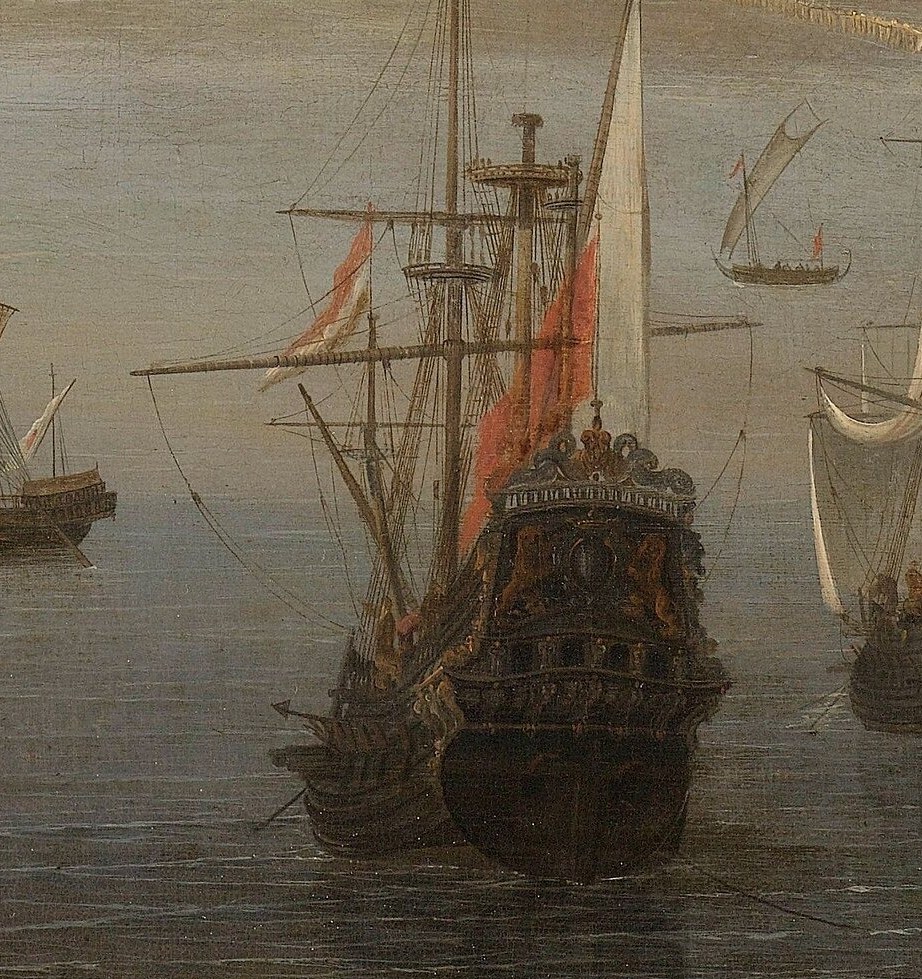
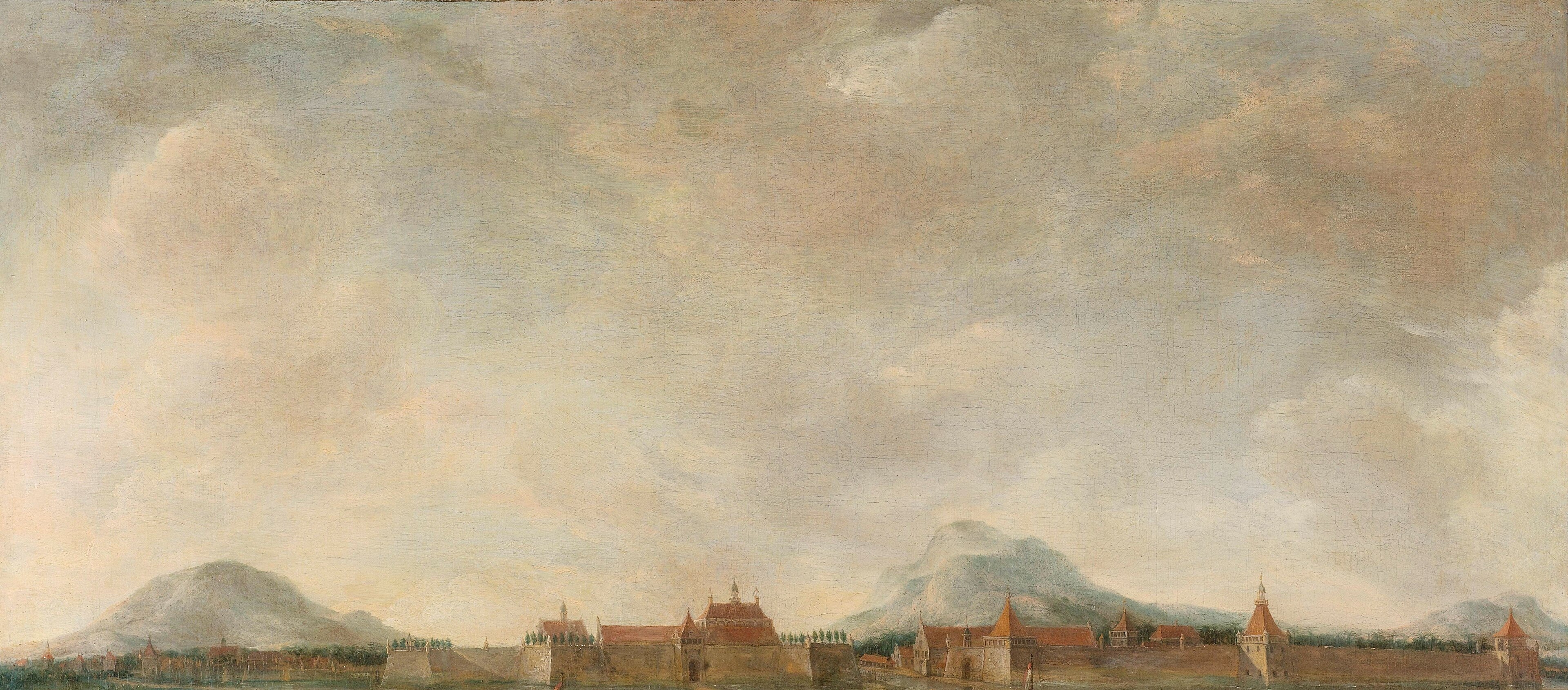
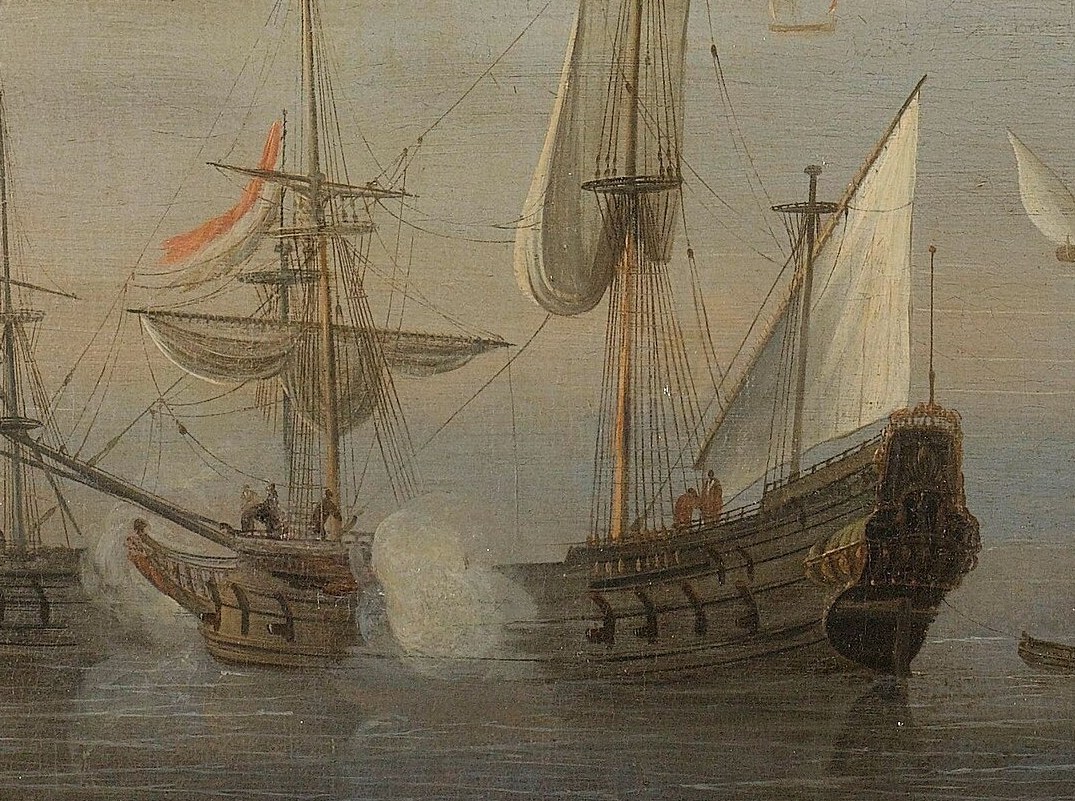
Observe the dominant ship in the foreground; its size and detailed rigging speak to Dutch naval strength. The distant cityscape represents the vital trade routes and economic activity of the time. Even the atmospheric clouds contribute to the mood, hinting at the unpredictable nature of sea travel.
Dubbels, a Dutch Golden Age painter, captured the everyday rhythm of this maritime hub. While he spent much of his career assisting other artists, his own works like this one offer a window into the thriving port cities of 17th-century Holland.
The careful detailing and composition invite us to read the landscape as a testament to a prosperous era.
Details

Transcript
This harbor teems with activity and hidden meaning. Look at the large ship in the foreground. Its power suggests Dutch maritime dominance. And the distant cityscape signifies trade. The hazy mountains add atmospheric depth. Even the clouds suggest weather and mood. This scene reflects a typical day in 1650.