Nymphenburg Palace, Munich by Bellotto, Bernardo
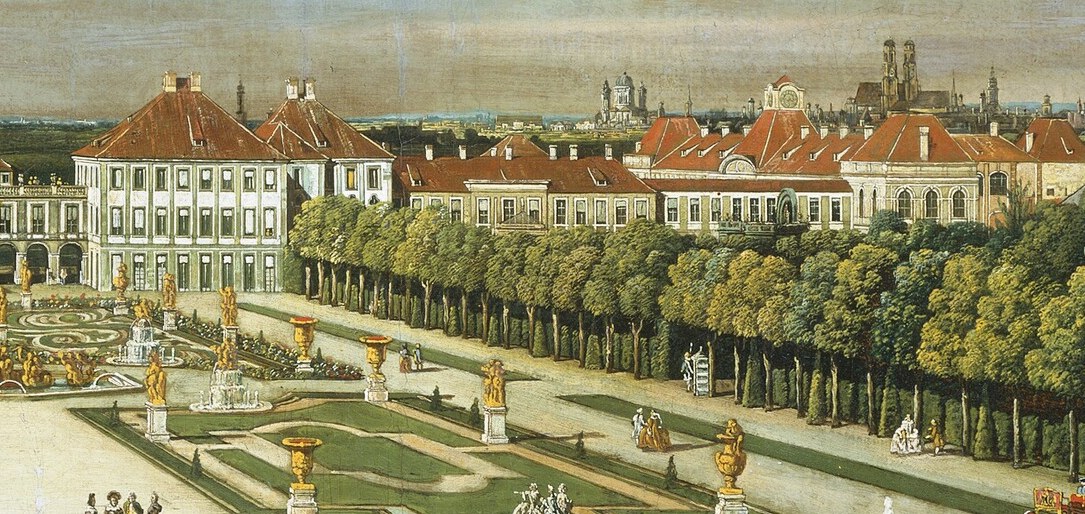
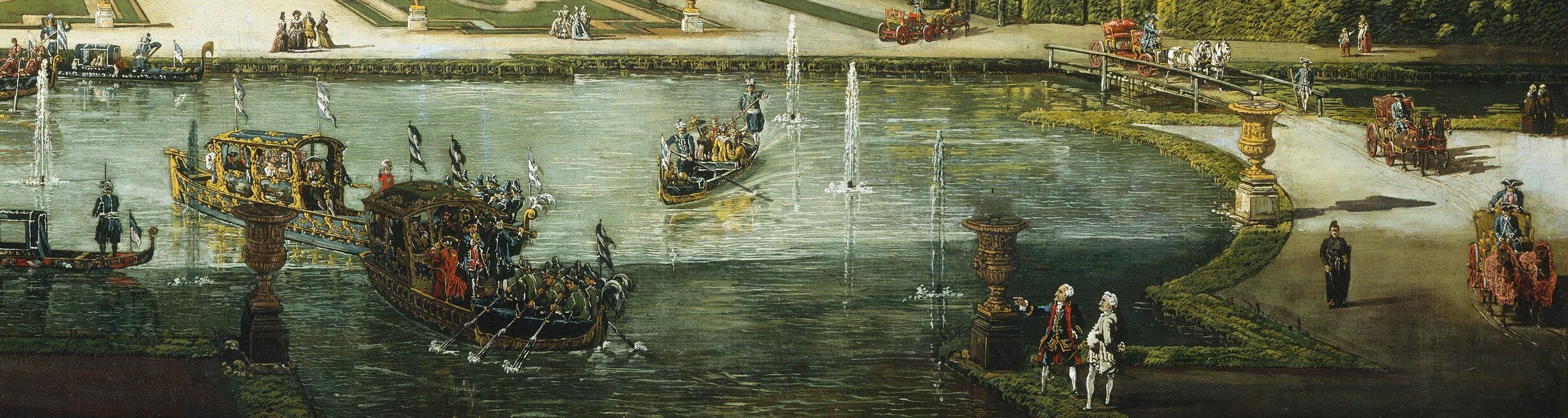
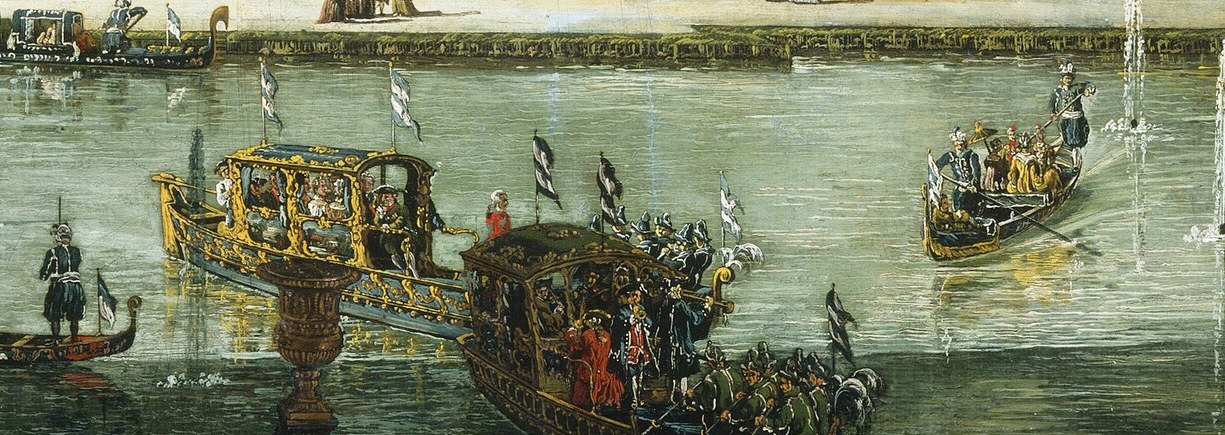
Bernardo Bellotto's Nymphenburg Palace, Munich, painted around 1761, is a masterful example of architectural painting, now housed in a private collection. Bellotto, renowned for his detailed cityscapes, captures the grandeur of the Bavarian royal residence with astonishing precision.
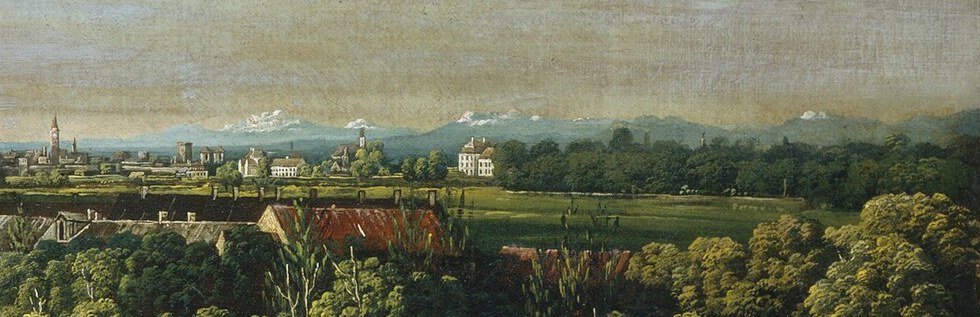
Observe how the palace's intricate Baroque facade is rendered with sharp, defined lines, highlighting every architectural detail. Then, let your eye travel to the distant cityscape, where Munich's spires are depicted with a soft, atmospheric haze. This is Bellotto's use of atmospheric perspective, a technique that replicates how the atmosphere makes distant objects appear lighter and less distinct.
This artistic trick creates a profound sense of depth and realism on a two-dimensional surface, drawing the viewer into the expansive landscape. Bellotto's meticulous approach not only documents the palace with fidelity but also elevates the painting to a study in spatial illusion.
How does this technique alter your perception of the painting's scale?
Details
Transcript
This painter was famous for his cityscapes. He captures the immense scale of Nymphenburg Palace. Notice the meticulous detail in the facade's architecture. In the distance, Munich's spires are hazy. He uses atmospheric perspective, making far things blur. This trick creates immense depth on a flat canvas.