The Virgin Adoring the Child by Botticelli, Sandro
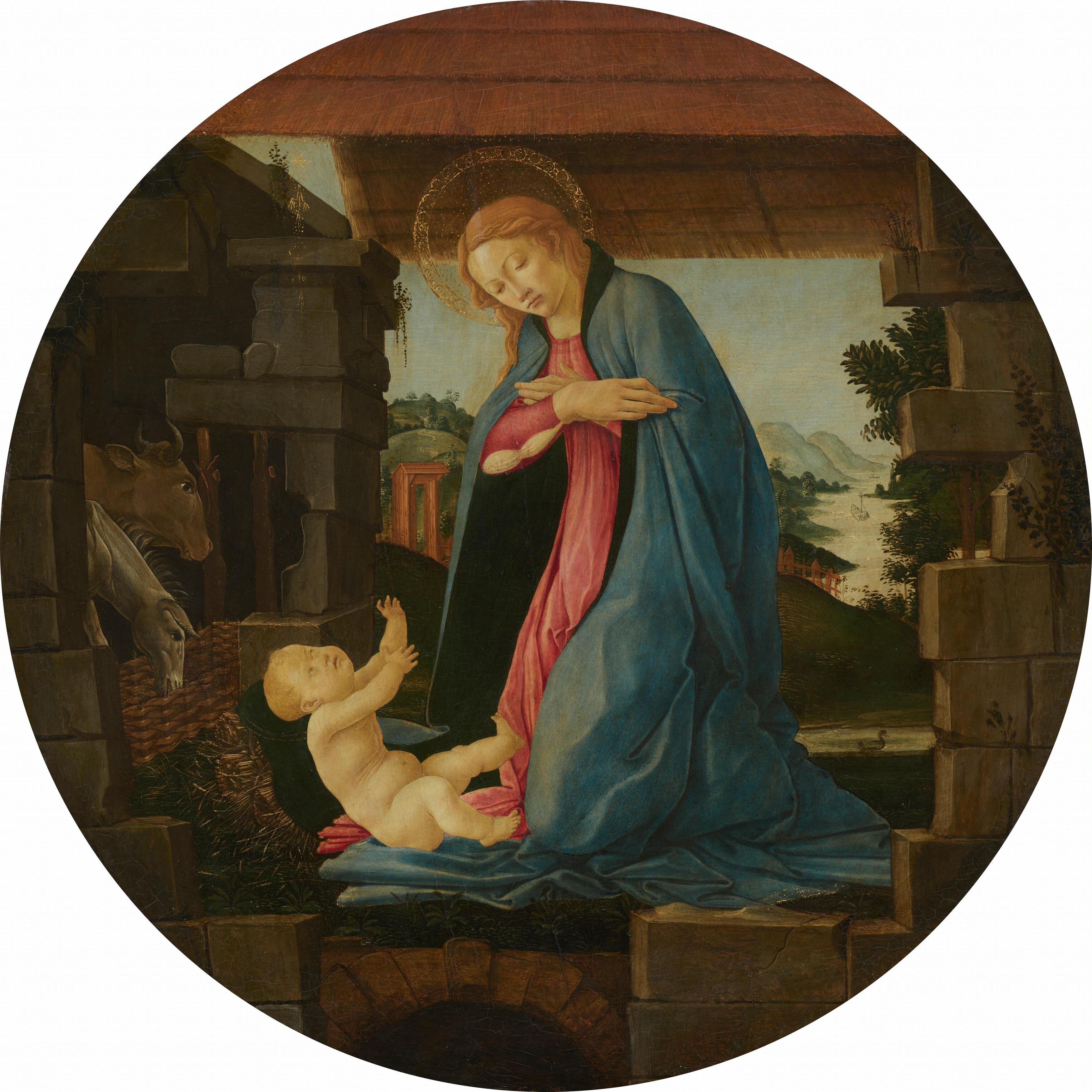
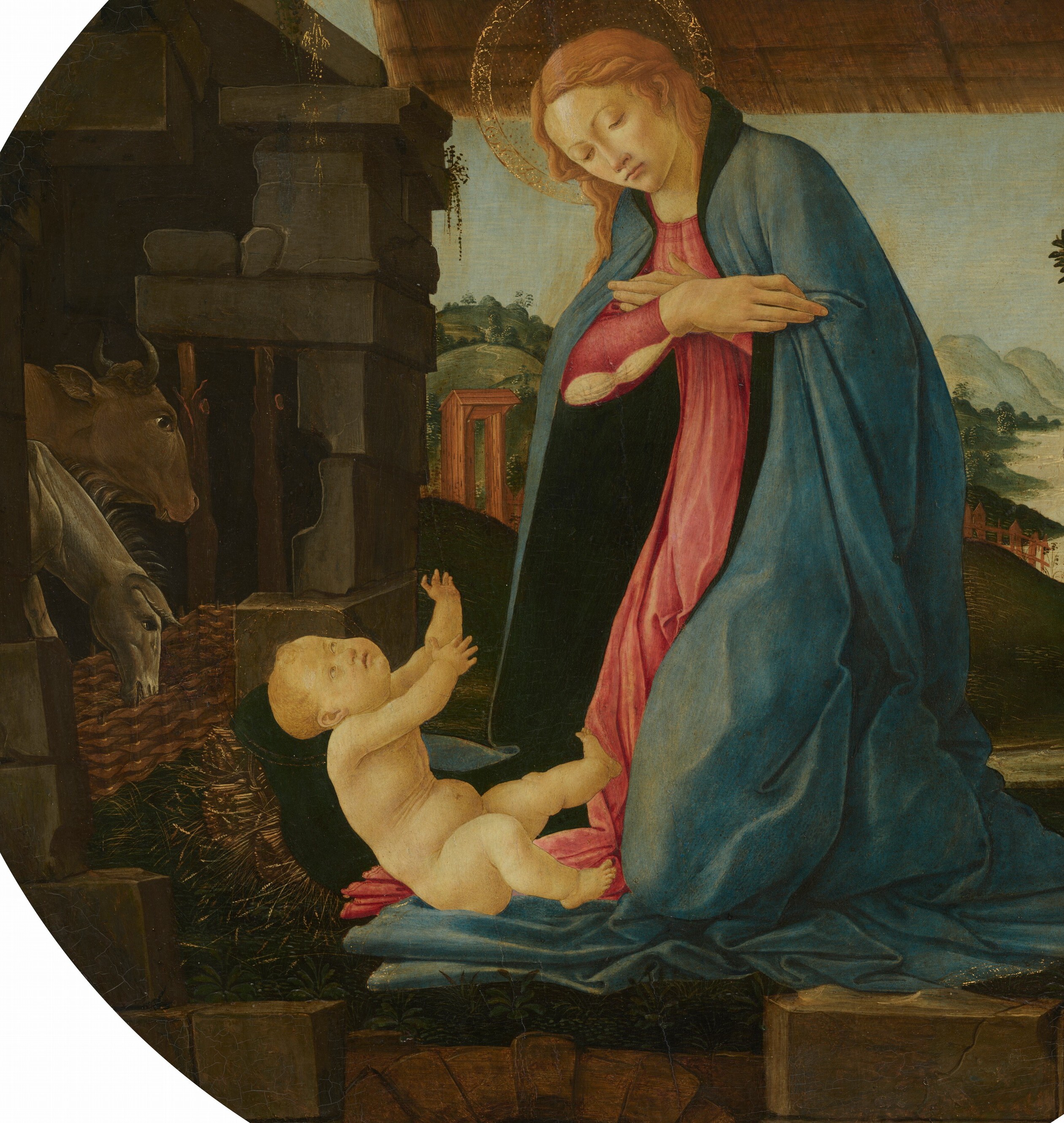
Sandro Botticelli's "The Virgin Adoring the Child," painted around 1485, is a masterful tempera work on poplar panel, currently residing in a private collection. This seemingly serene image, intended for intimate, private devotion, held a subtle controversy for its Renaissance viewers.
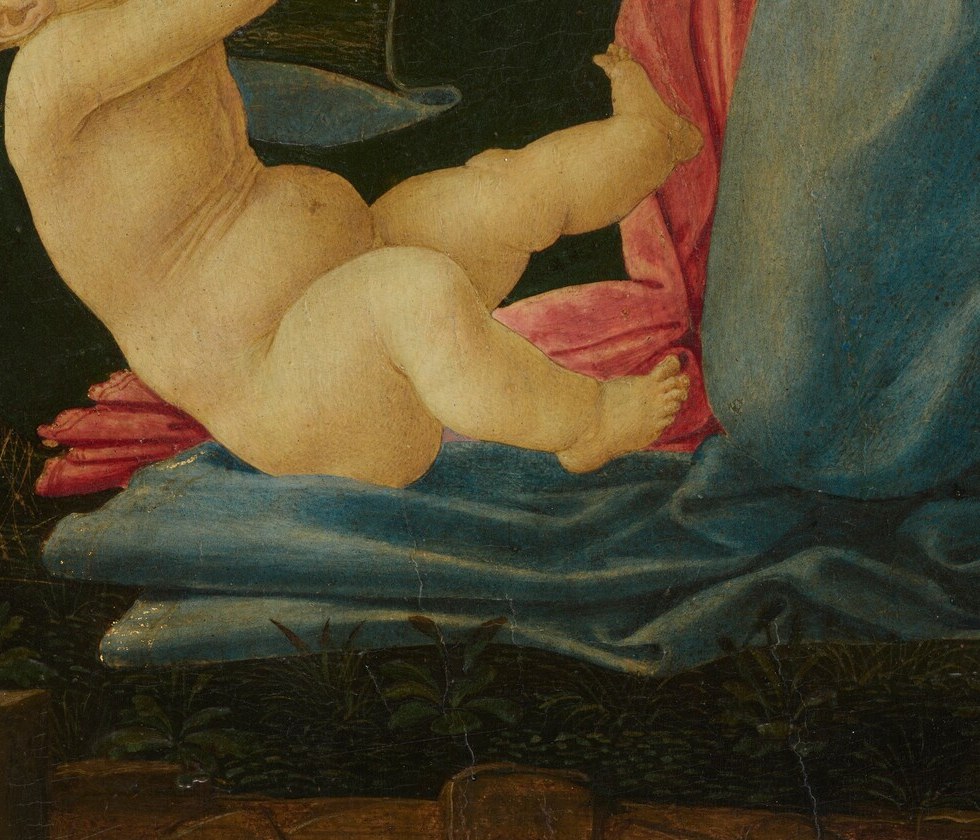
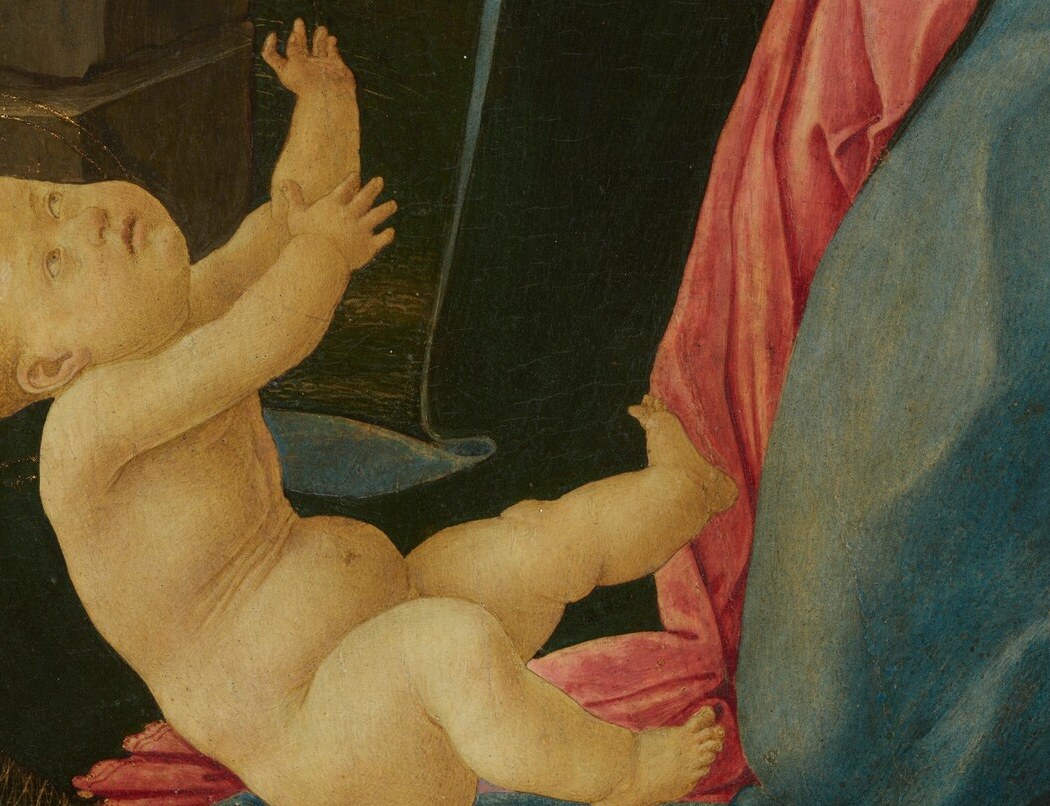
At the heart of the painting, the infant Christ holds a pomegranate. For a 15th-century audience, this fruit, with its many seeds, was a clear symbol of the resurrection and Christ's eventual Passion.
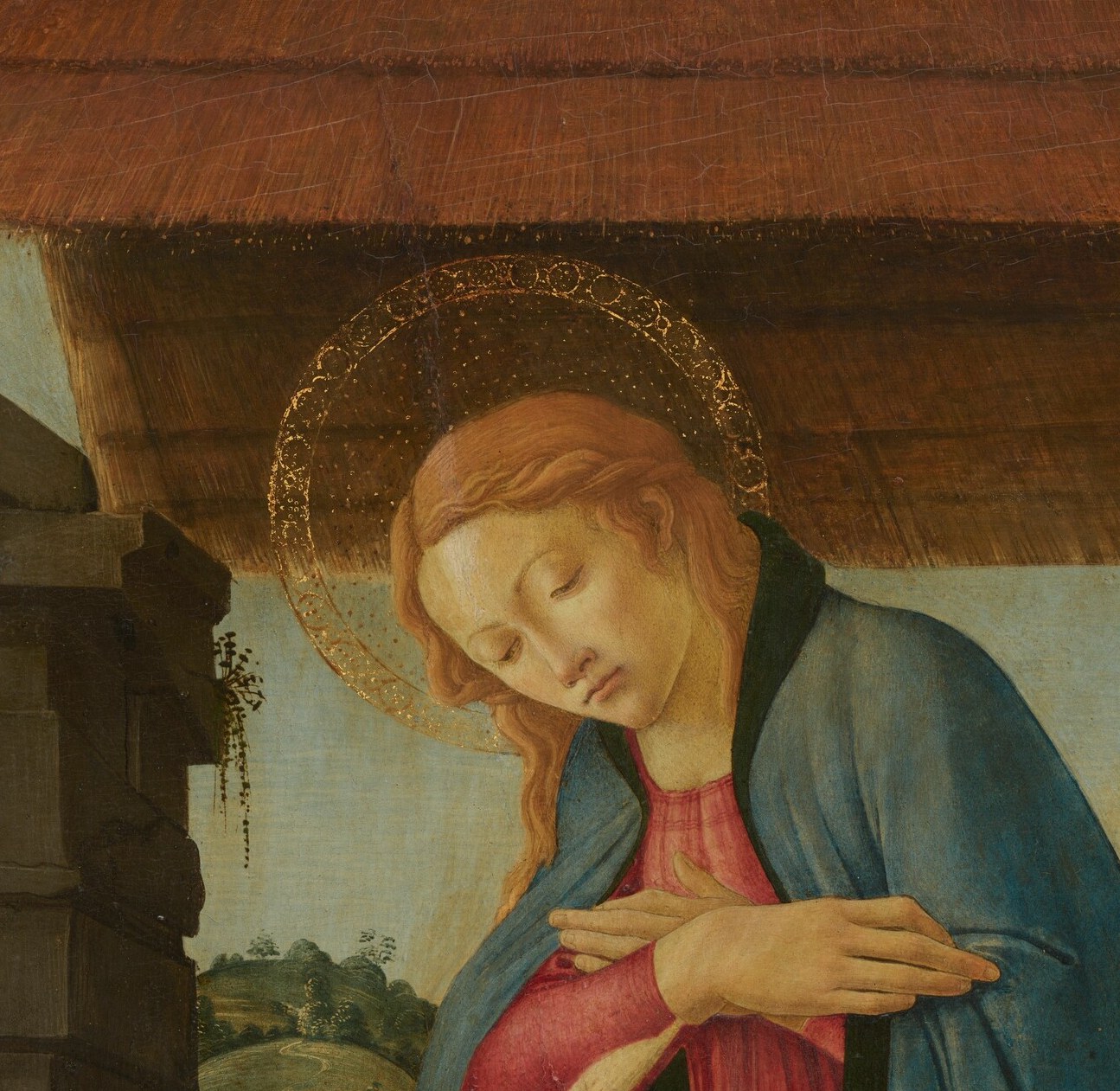
However, placing such a stark premonition in the hands of an innocent infant was considered bold, even shocking, by some at the time. Despite this, the Virgin Mary's expression remains one of profound adoration, acknowledging her son's divine path even as she nurtures him. Botticelli, known for his dramatic storytelling and symbolic details, often wove such layers of meaning into his work.
What other symbols might Botticelli have included, knowing their impact?
Details
Transcript
This painting was made for private devotion. The painter, Botticelli, used symbols everywhere. Look at the pomegranate the Christ Child holds. Its seeds symbolize resurrection and the Passion. But placing it in an infant's hand was controversial. It was too stark a reminder of future suffering. Yet Mary adores him, knowing his destiny.