Anna Maria Brodeau Thornton (Mrs. William Thornton) by Stuart, Gilbert
Gilbert Stuart's portrait of Anna Maria Brodeau Thornton, painted in 1804 and held by the National Gallery of Art, is a record of the mind that helped shape the new capital city.
Anna Thornton kept a daily diary for over four decades. She hosted the intellectual salon of early Washington in a boarding house while her husband, William, designed the Capitol. The open book in her hands is no generic prop. It is a deliberate signal that literacy, and her own intellect, were central to her identity in a frontier city where refinement was still a project under construction.
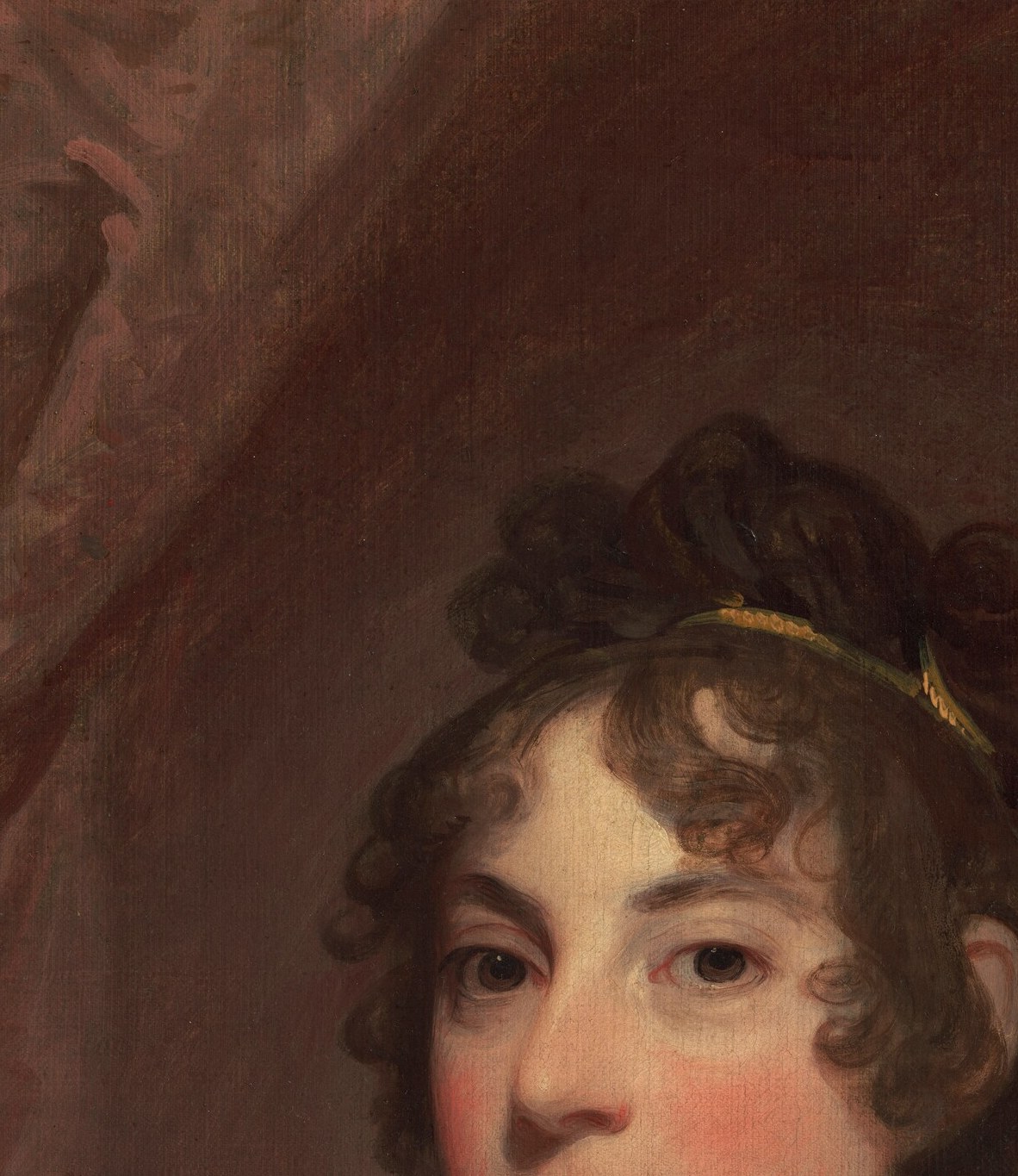
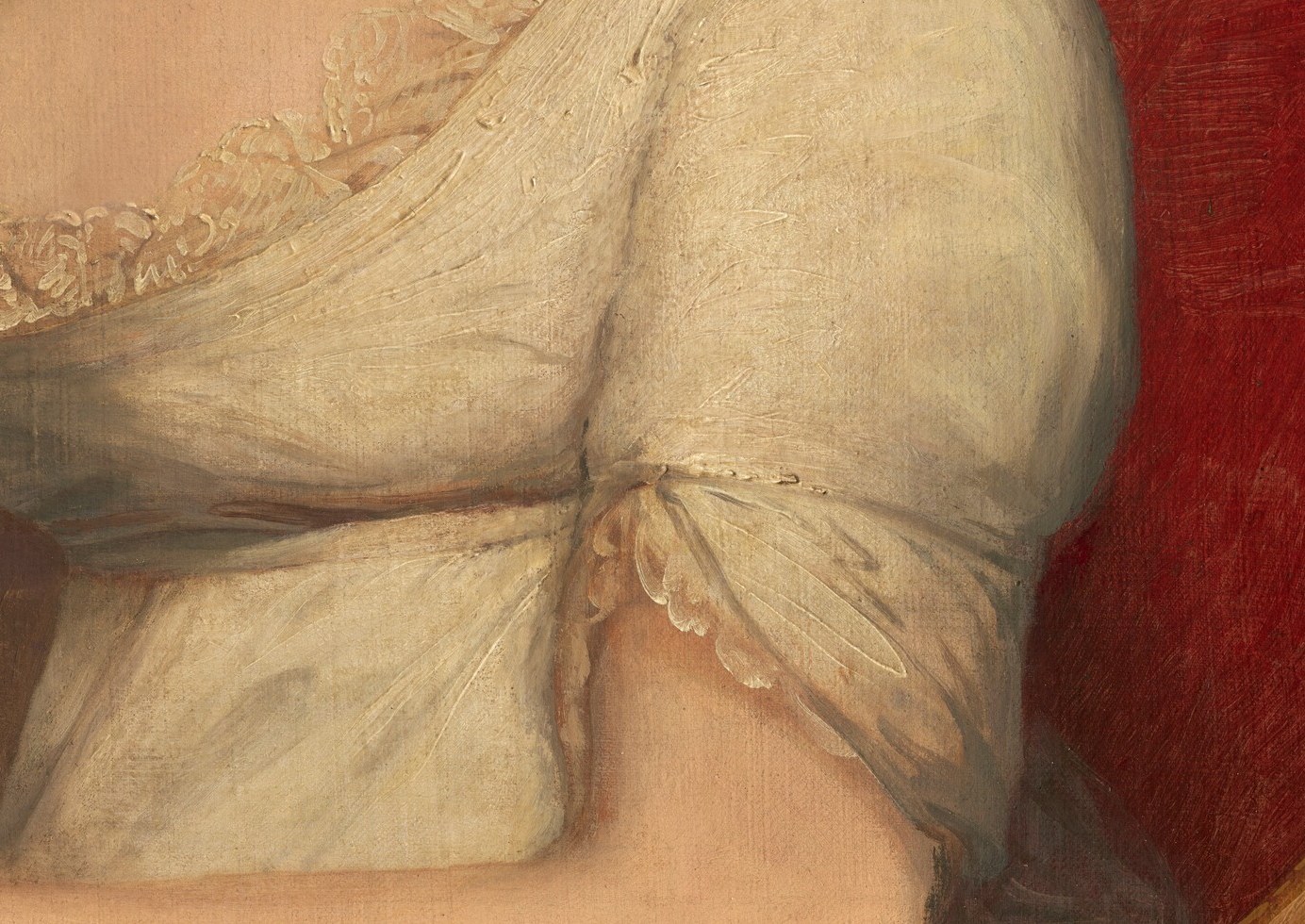
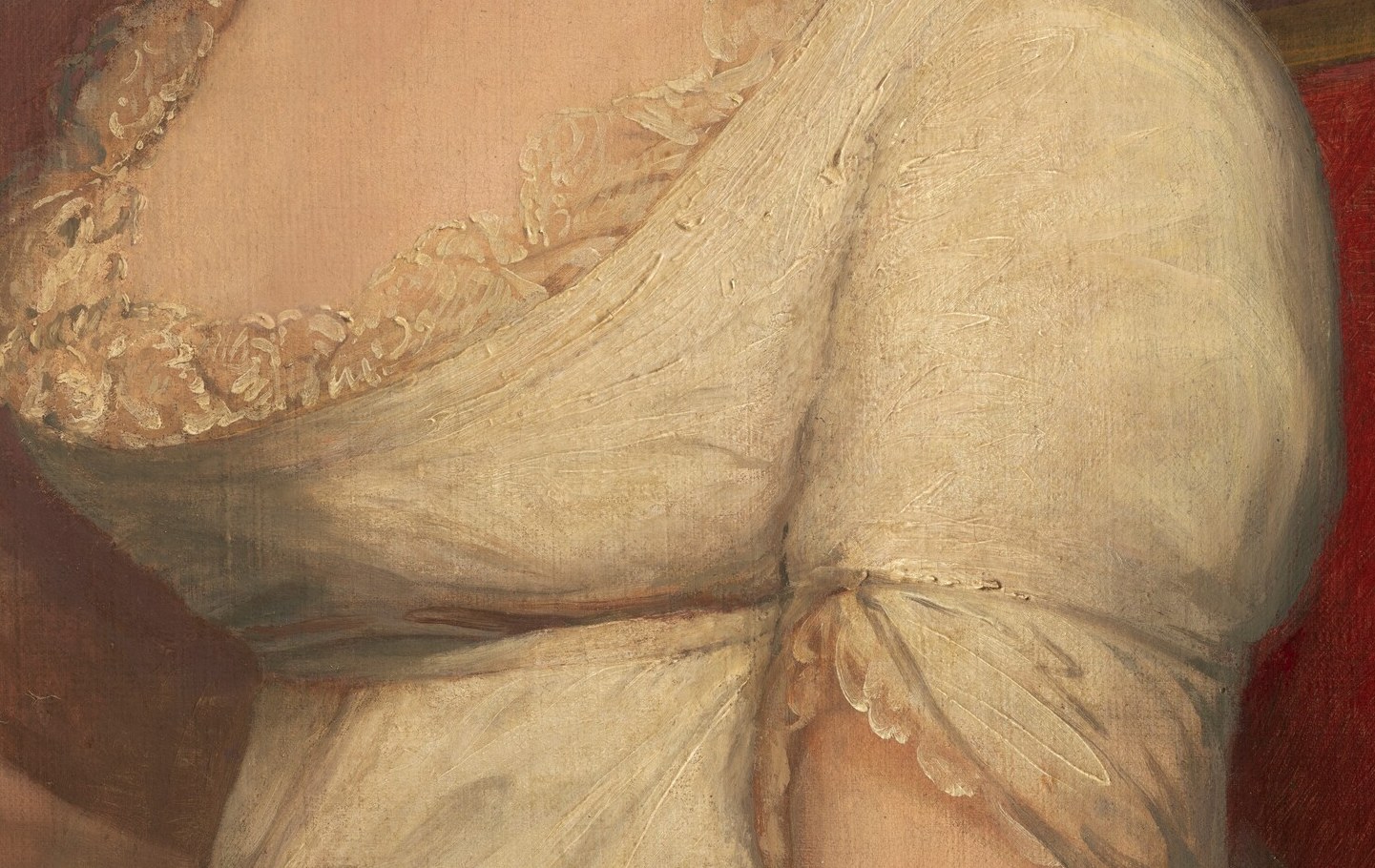
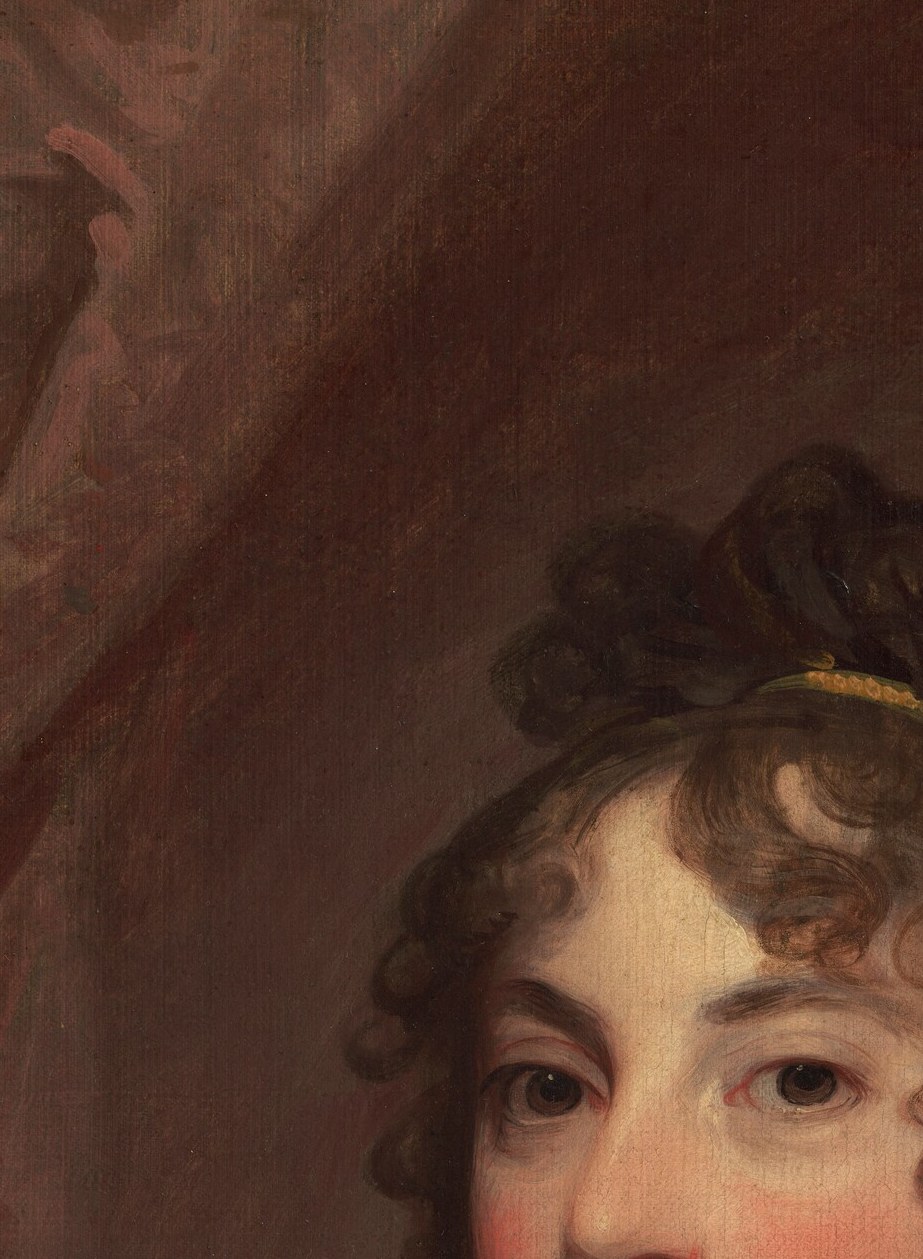
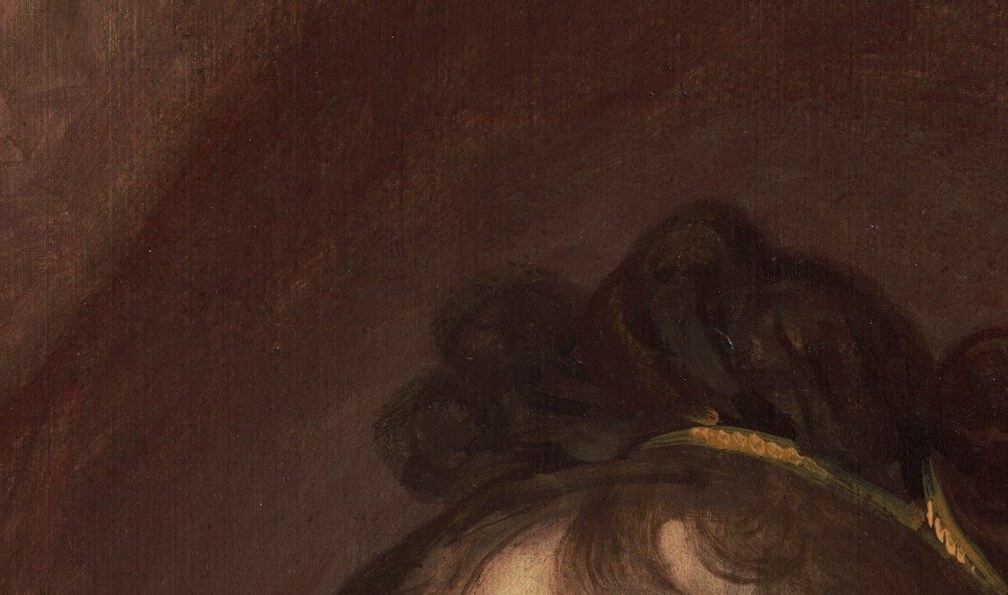
Stuart charged a hundred dollars for this portrait, a huge sum at the time. He was the premier portraitist in the young republic, famous for painting George Washington from life. His method relied on thin glazes and soft transitions that, up close, look almost unfinished. He called his own technique 'a great mess,' but it produced the most psychologically direct faces in American art.
The raking light on her cheek and the narrow band of paint that defines her dark eyes carry the whole emotional argument. This is not a woman performing pretty stillness. It is someone thinking. In 1804 Washington, that was a radical thing to record.
Details
Transcript
Washington, D.C., 1804. A city of mud roads and wooden shacks. Anna Thornton held a salon in the one-room boarding house that passed for society. Her husband William was designing the U.S. Capitol. She was its unofficial critic. This open book isn't for show. She wrote a daily diary for 42 years. The painter charged one hundred dollars. A skilled carpenter earned half that in a year. Gilbert Stuart was the most expensive portraitist in America. He had painted Washington. Look how little paint actually constructs her face. A few strokes of light on bone. Stuart called his own method 'a great mess.' It was the most sought-after illusion in the new capital.