Martyrdom of Saint Margaret by Cesari, Giuseppe
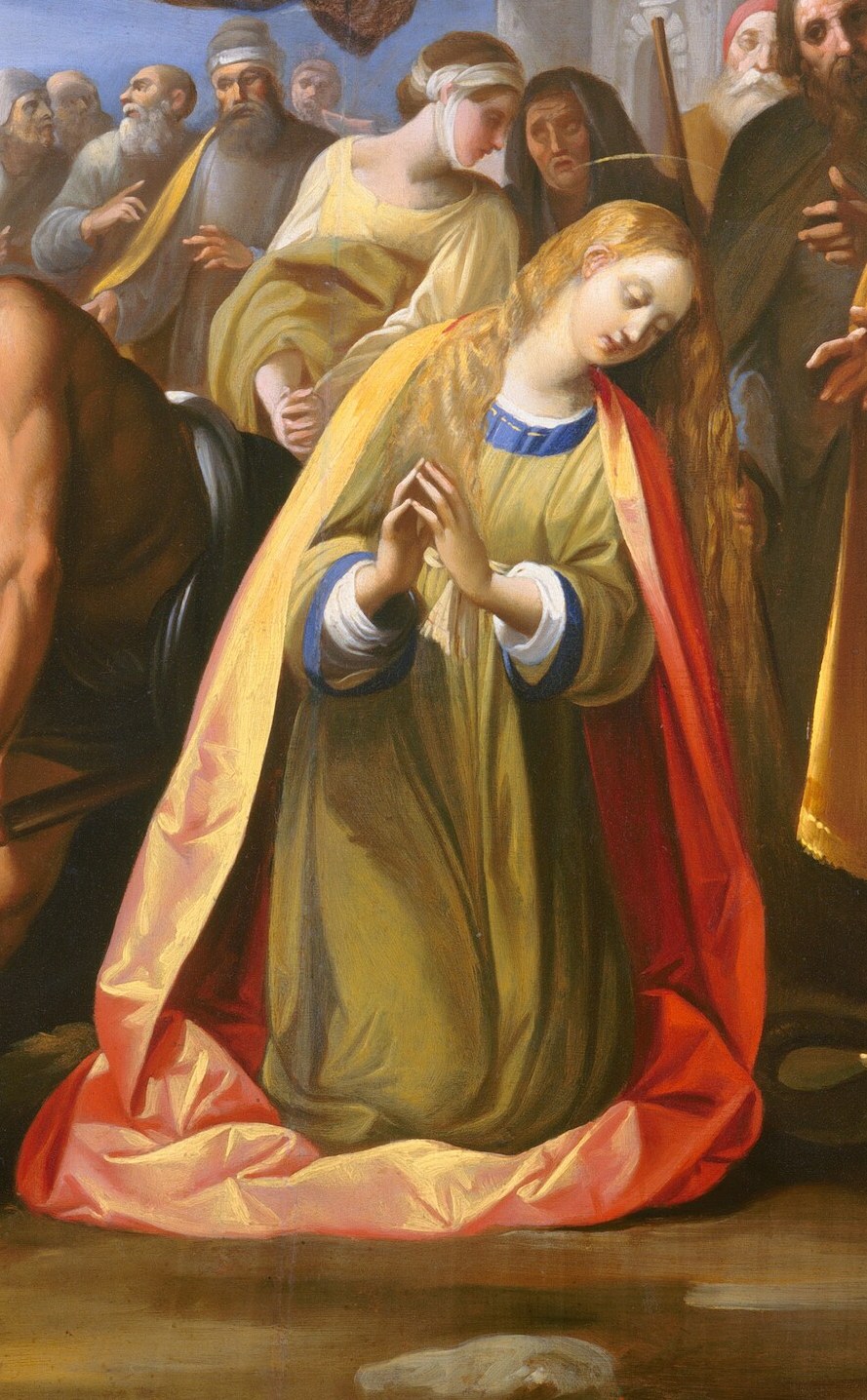
Giuseppe Cesari's "Martyrdom of Saint Margaret" (c. 1608/1611) at the [Museum Name, if known] uses rich symbolism to tell its story. Created during the early Baroque era in Italy, it bridges Mannerist sensibilities with emerging Baroque dynamism.
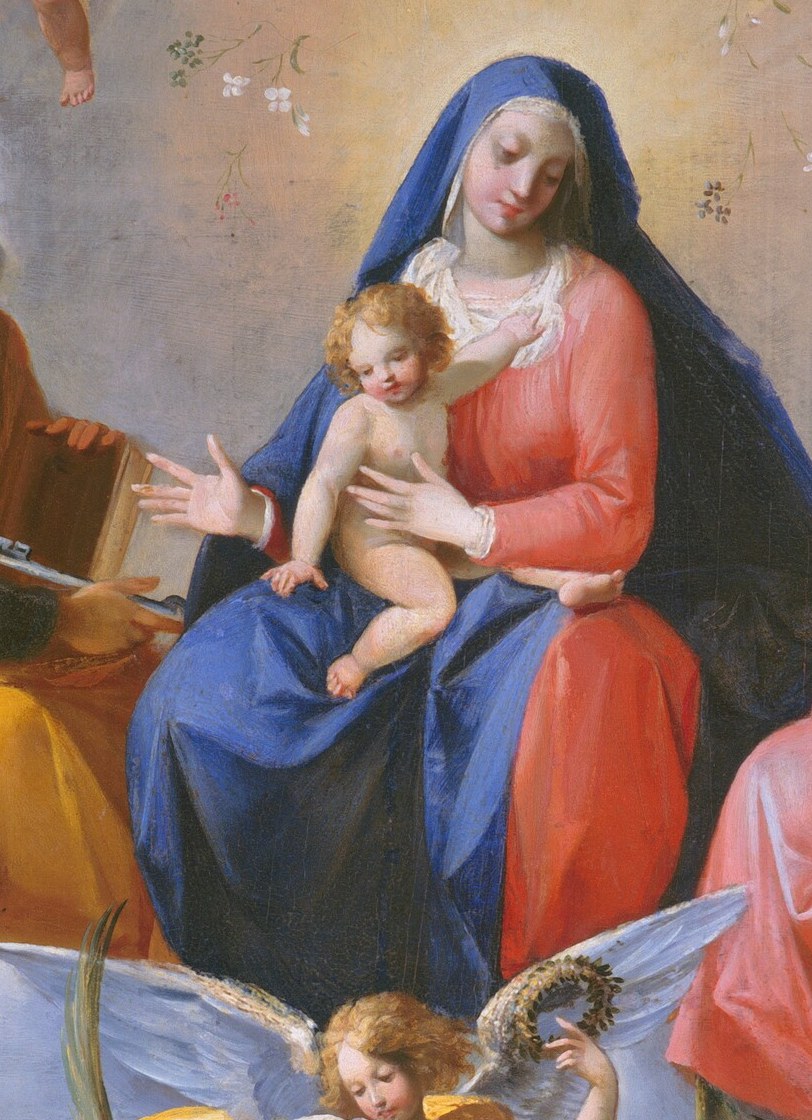
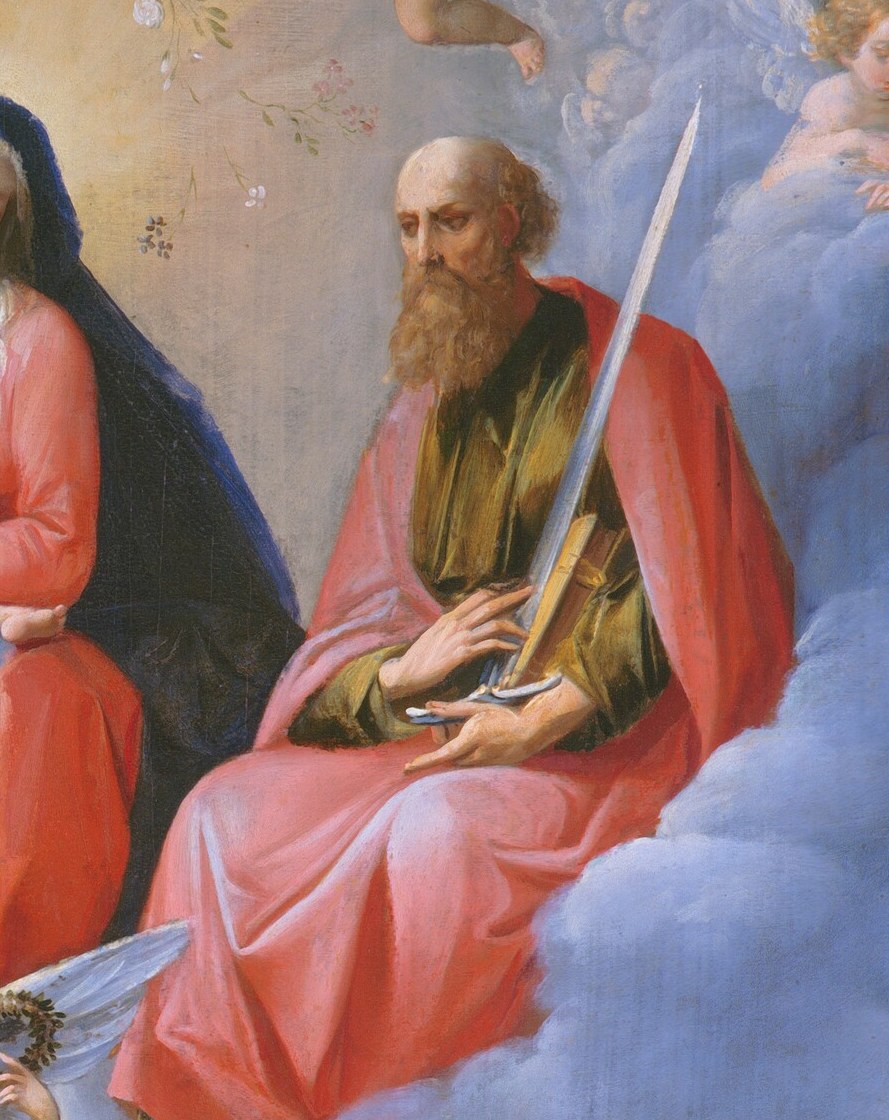
Look closely at the celestial figures above Saint Margaret. Saint Peter holds the keys to heaven, representing the authority of the Church. Next to him, Saint Paul, a fellow martyr, carries his distinctive sword.
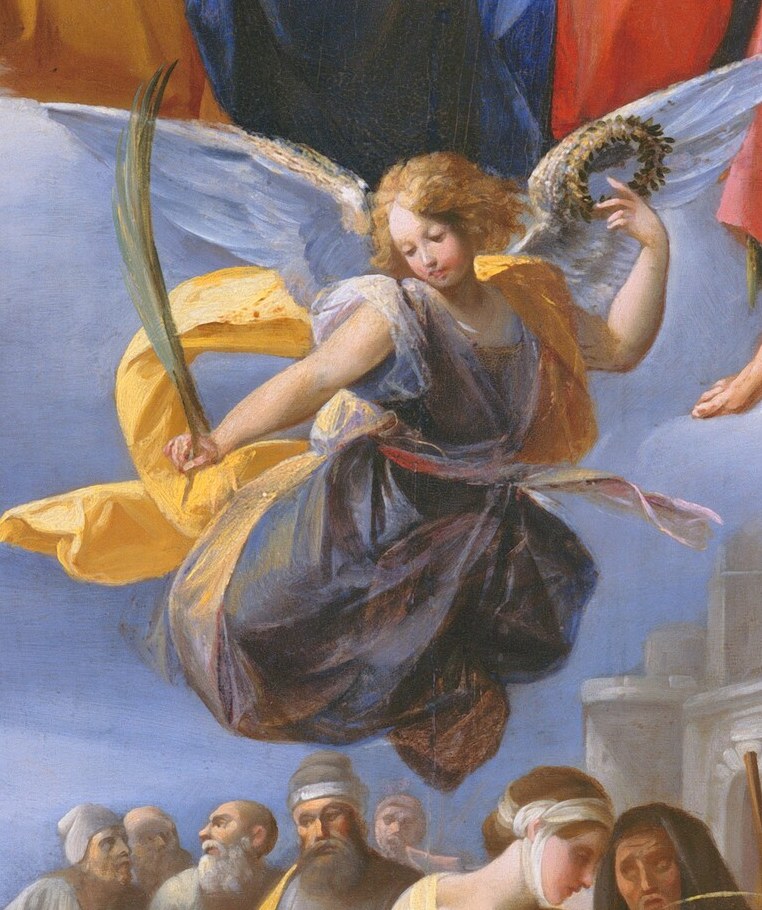
The angel descending with a wreath symbolizes Saint Margaret's ultimate heavenly reward for her sacrifice. Cesari, also known as Il Giuseppino, was a prominent Mannerist painter in Rome, even employing a young Caravaggio in his workshop.
This dramatic oil on panel work reflects the artistic and religious fervor of its time. What other symbols do you notice in this powerful scene?
Details

Transcript
This painting tells the story of Saint Margaret's martyrdom. Above the scene, the heavens open to witness her sacrifice. Saint Peter, holding his keys, represents the Church's authority. Beside him, Saint Paul carries his sword, a symbol of his own martyrdom. And this angel holds a martyr's wreath, her heavenly reward. This painter was a leading Mannerist, working for popes in Rome.