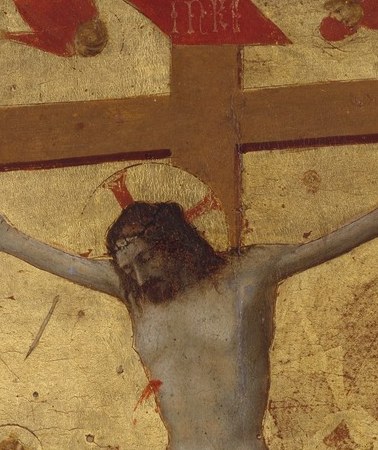
The Crucifixion by Fra Angelico
View the artwork: The Crucifixion →
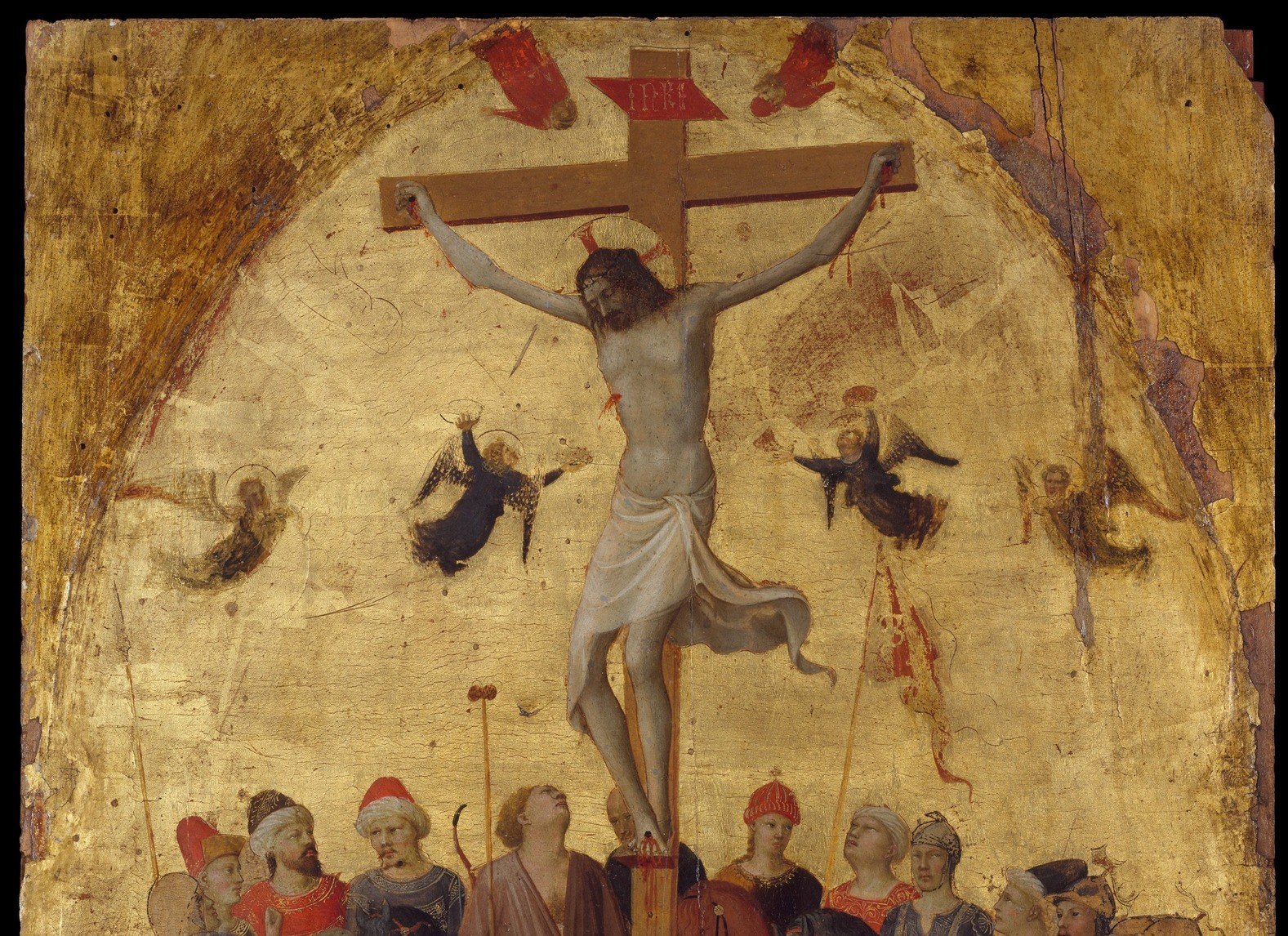
This small panel, painted around 1420-23, is the only work Fra Angelico ever signed. It likely sat as the pinnacle of a larger altarpiece, meant to be seen from below, and now lives at the Metropolitan Museum of Art.
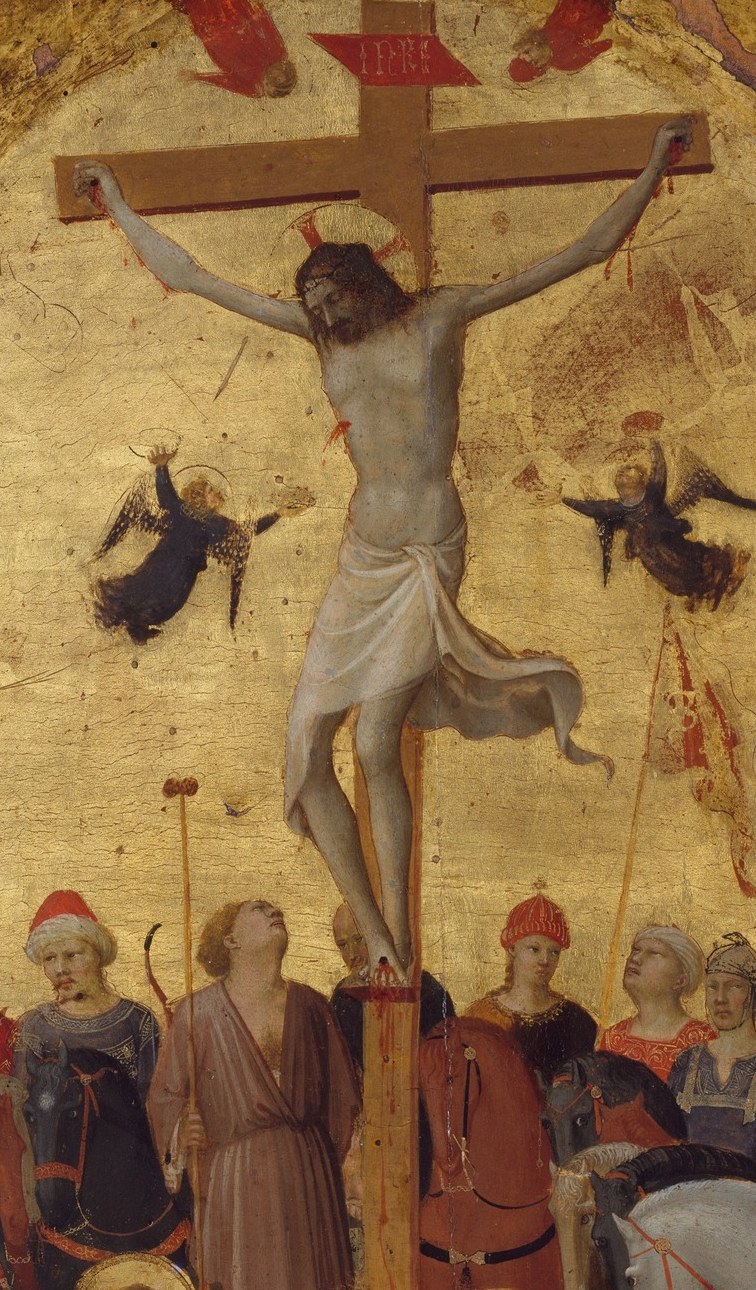
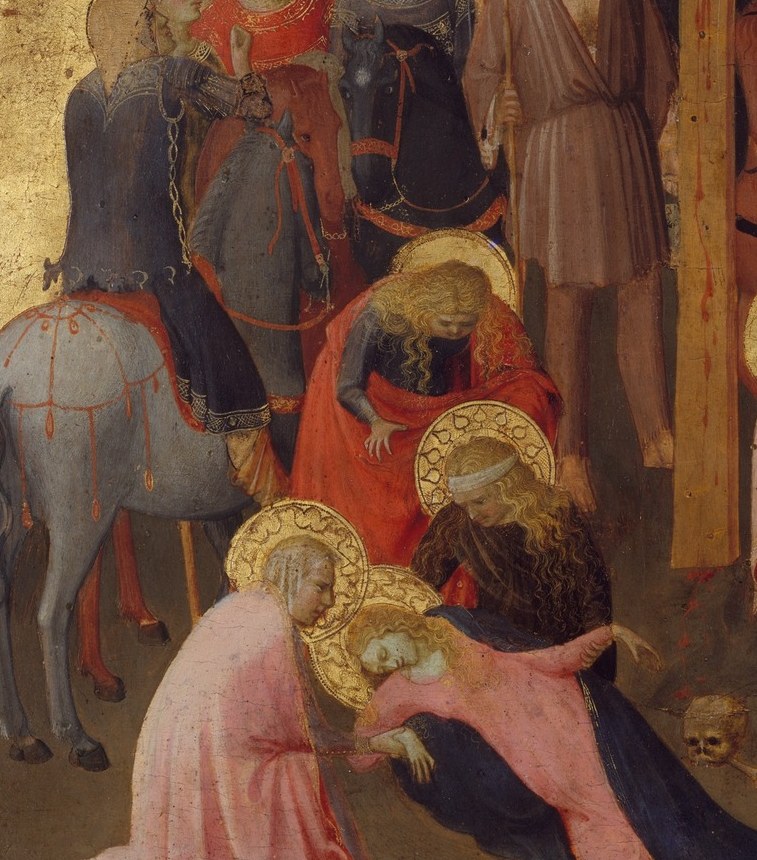
Watch where the grief lives. Saint John does not pray; his hands are locked in helpless anguish. Mary Magdalene, the repentant sinner, presses directly against the base of the cross. And behind them, the Roman soldiers form a semicircle of mixed response: some indifferent, some curious, some quietly awed. Fra Angelico borrowed that circular arrangement from Ghiberti's bronze Baptistery doors, but the emotional texture is entirely his own.
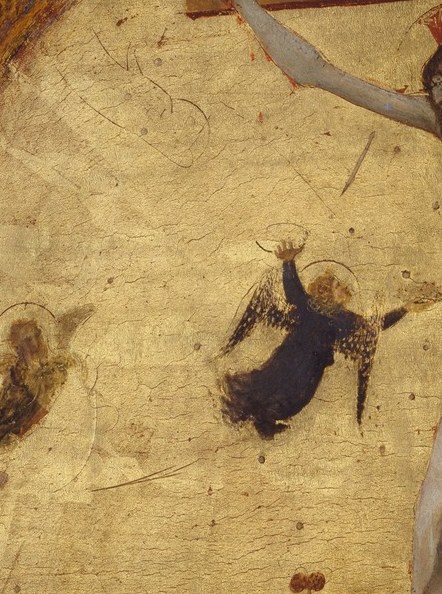
Guido di Pietro was a Dominican friar in Florence before he became Fra Angelico. This panel marks his earliest known exploration of emotional realism inside a gold-ground devotional work. The gold is not sky; it is sacred, timeless space. But the human grief in the foreground insists that this event happened in history, to real people.
He painted this at the start of a career that would define the early Renaissance. And he put his name on it.
#arthistory #fraangelico #earlyrenaissance
Details
Transcript
Around 1420, a Dominican friar painted the Crucifixion. His name was Fra Angelico. This is his only signed work. Look at Saint John's hands. Clasped not in prayer, but in helpless anguish. Mary Magdalene kneels at the very foot of the cross. A repentant sinner, now the emotional ground of the painting. Behind them, soldiers watch with indifference, curiosity, awe. Fra Angelico painted the whole range of human response to a public death.