The Needlewoman by Velázquez, Diego
Diego Velázquez, the leading painter for King Philip IV of Spain, is renowned for his grand royal portraits. Yet, "The Needlewoman" (c. 1640) at the National Gallery of Art, Washington D.C., offers a rare glimpse into a quiet, domestic moment.
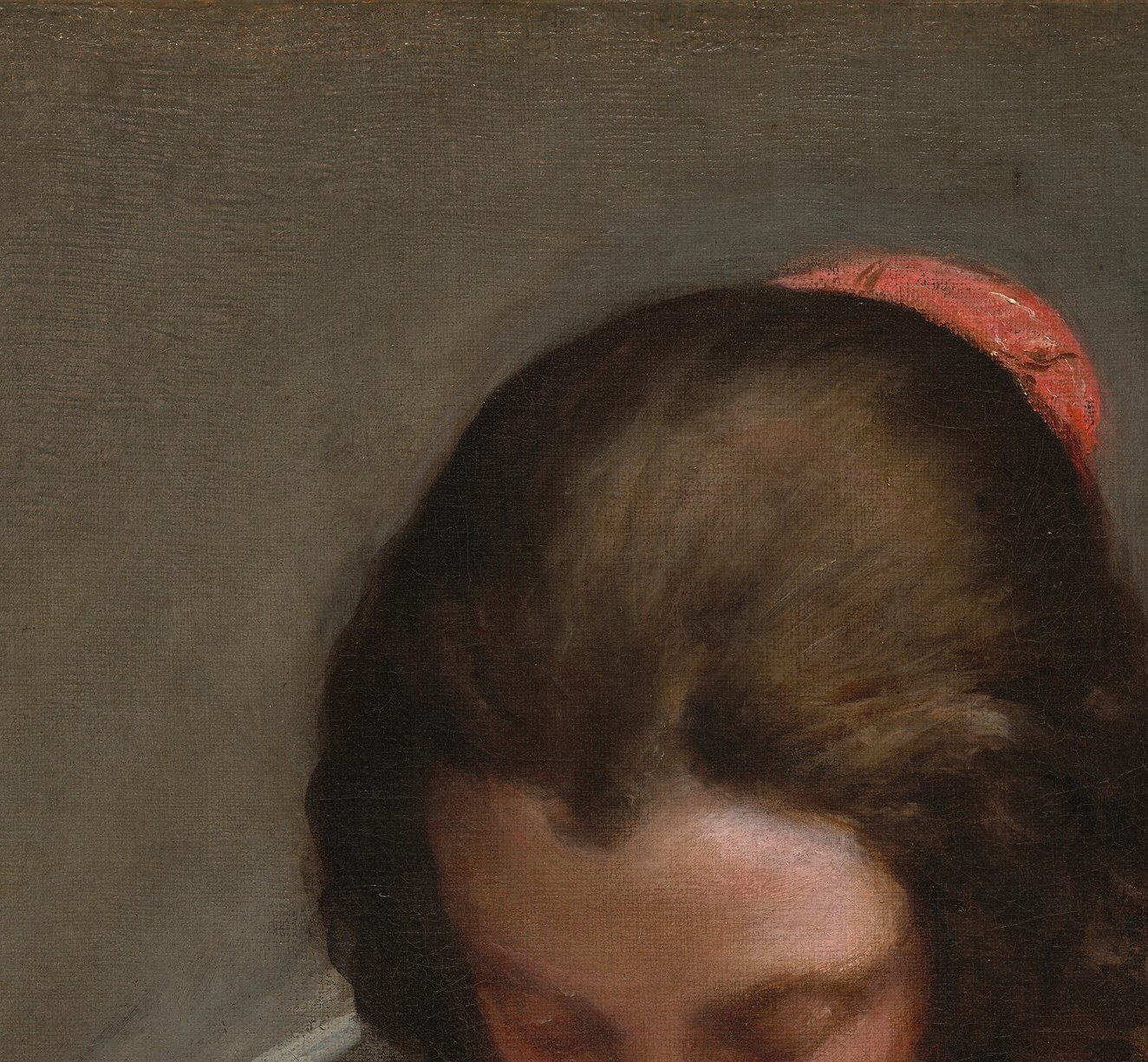
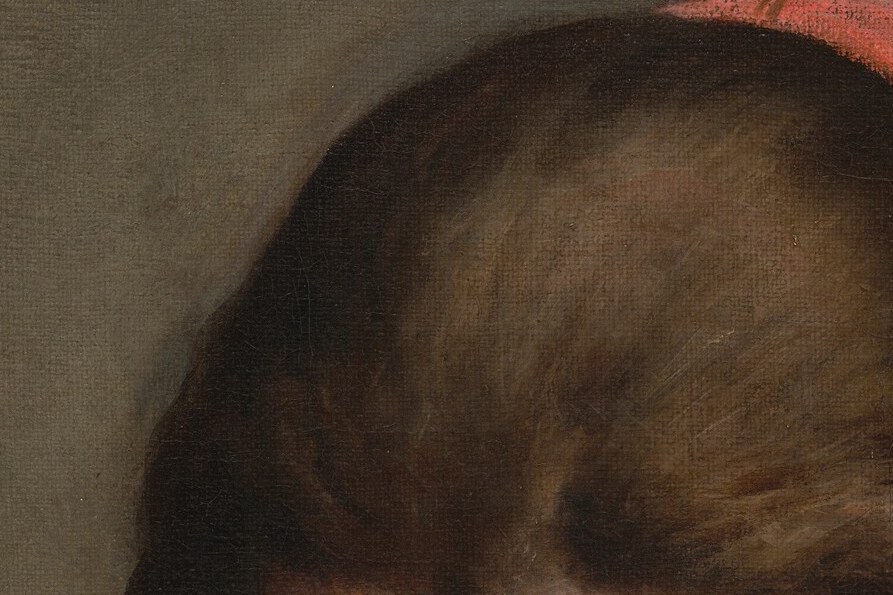
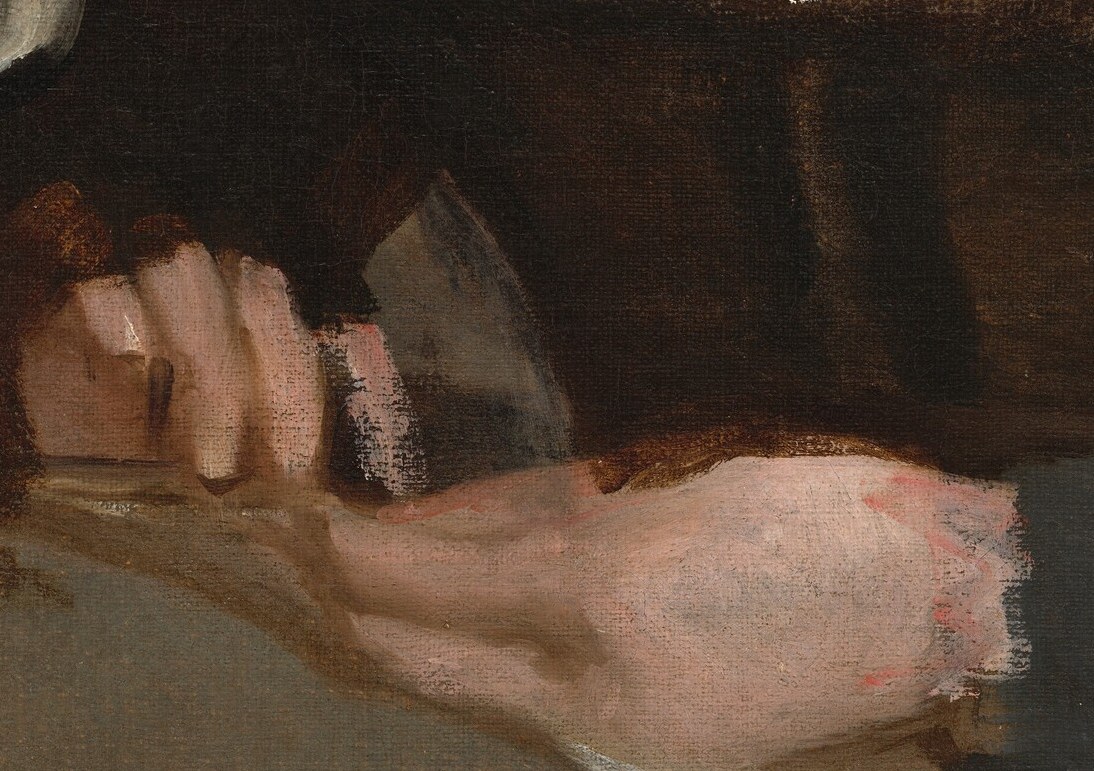
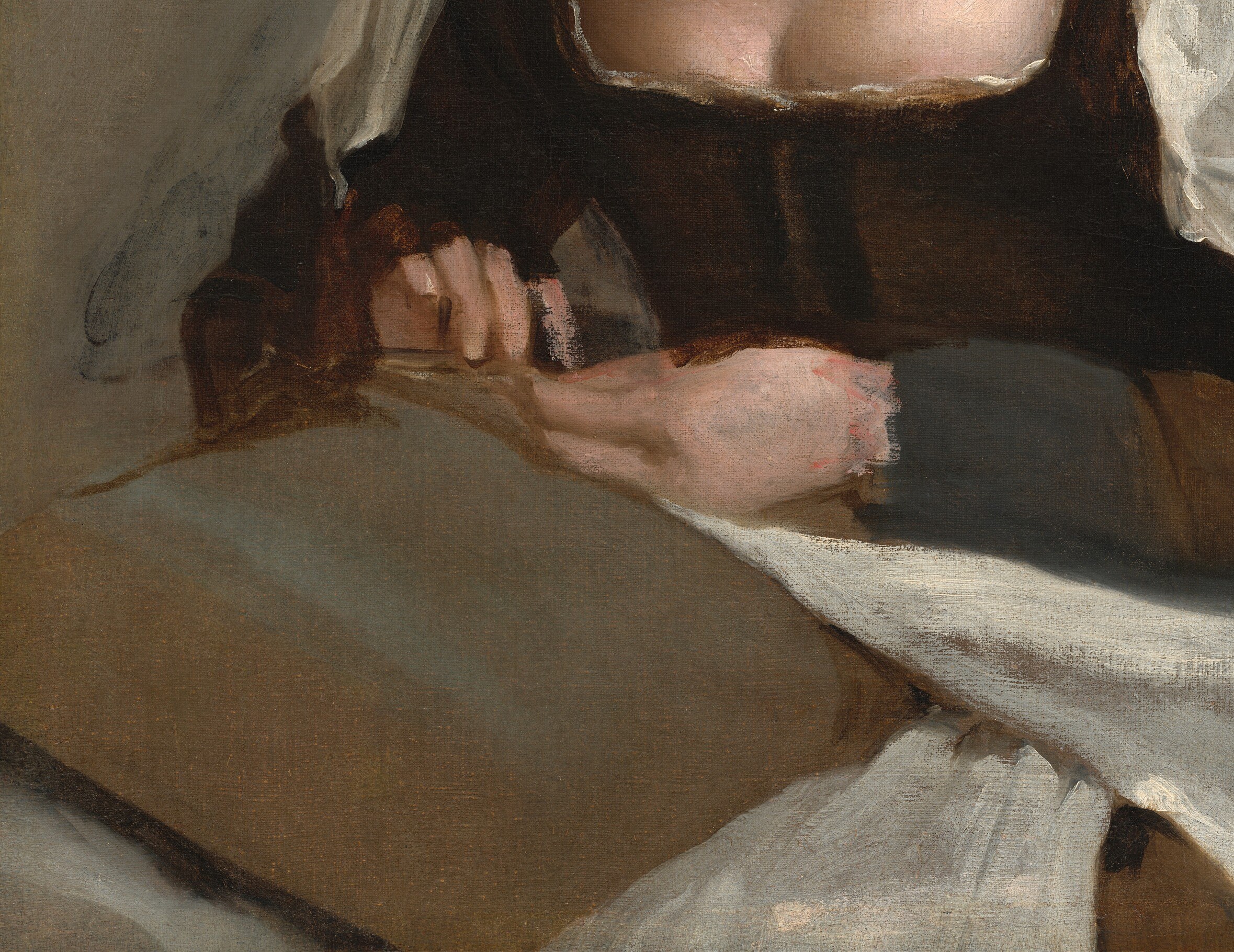
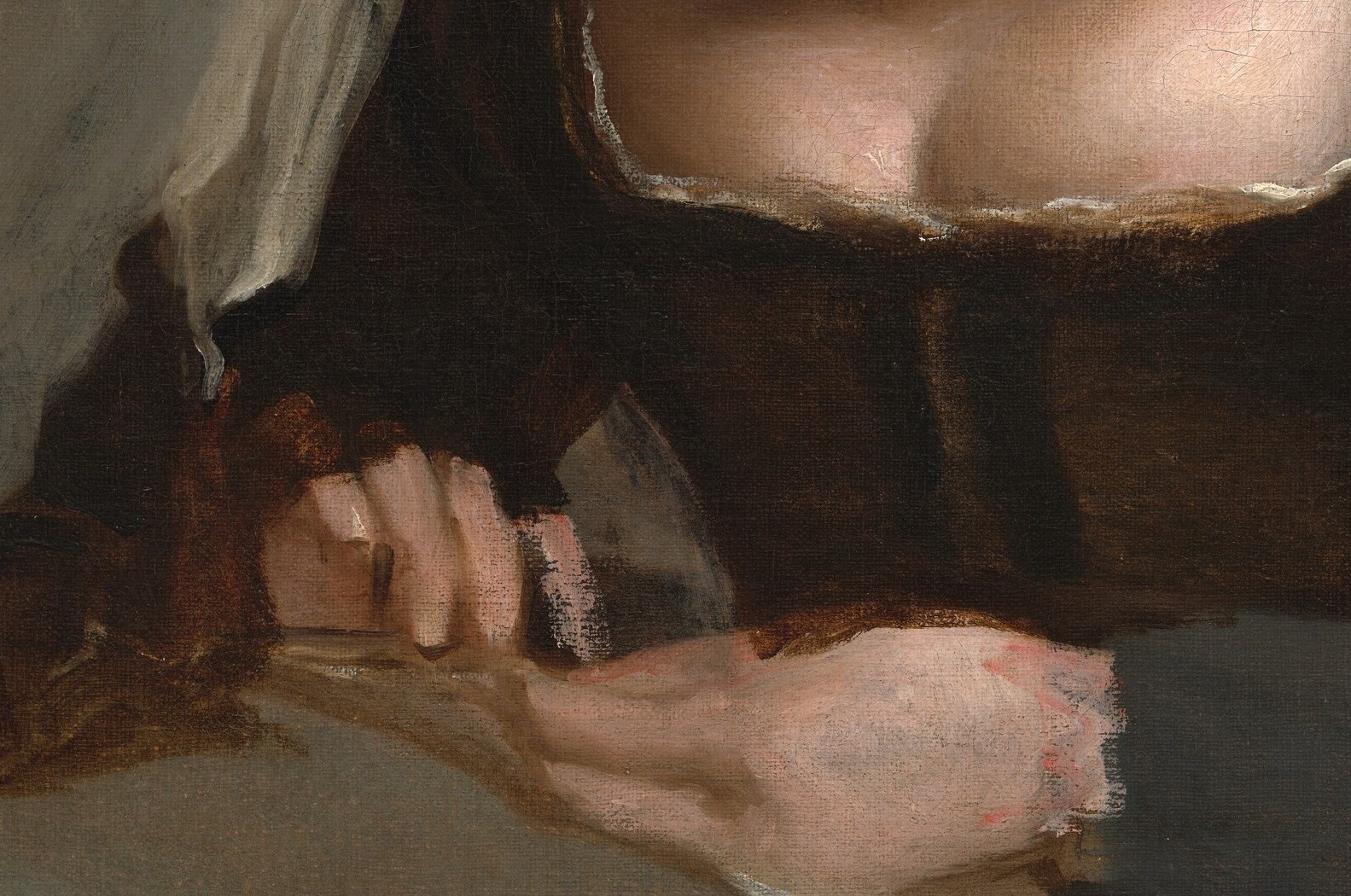
Observe the young woman's intense concentration, her eyes fixed on her task. Velázquez masterfully uses impasto, applying thick, textured paint, particularly visible in the white linen cloth, to give it a tangible, almost projecting quality. His ability to capture such an intimate, unguarded moment in 17th-century art is remarkable.
While many of Velázquez's works became part of the Spanish royal collection, this painting showcases his individualistic Baroque style, characterized by bold brushwork and a profound realism, influencing artists for centuries.
What do you see in this quiet scene that draws you in?
Details
Transcript
This painter was court artist to King Philip IV of Spain. But sometimes he painted a quiet moment like this. Notice her downcast eyes, absorbed in her work. He captures the delicate act of guiding the needle. He used thick impasto to make the cloth seem real. This close-up of labor feels truly modern.