The Fortune Teller by Georges de La Tour
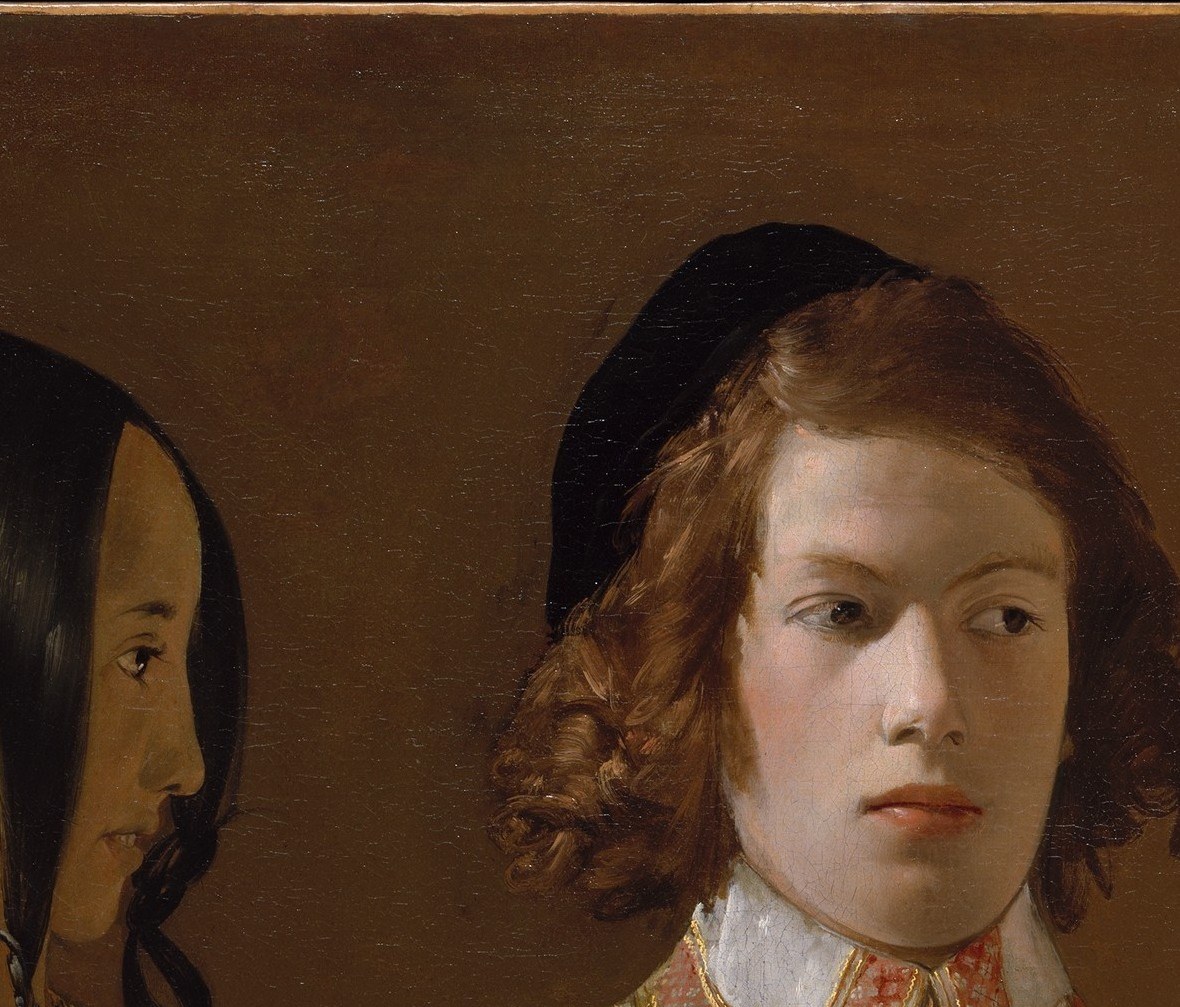
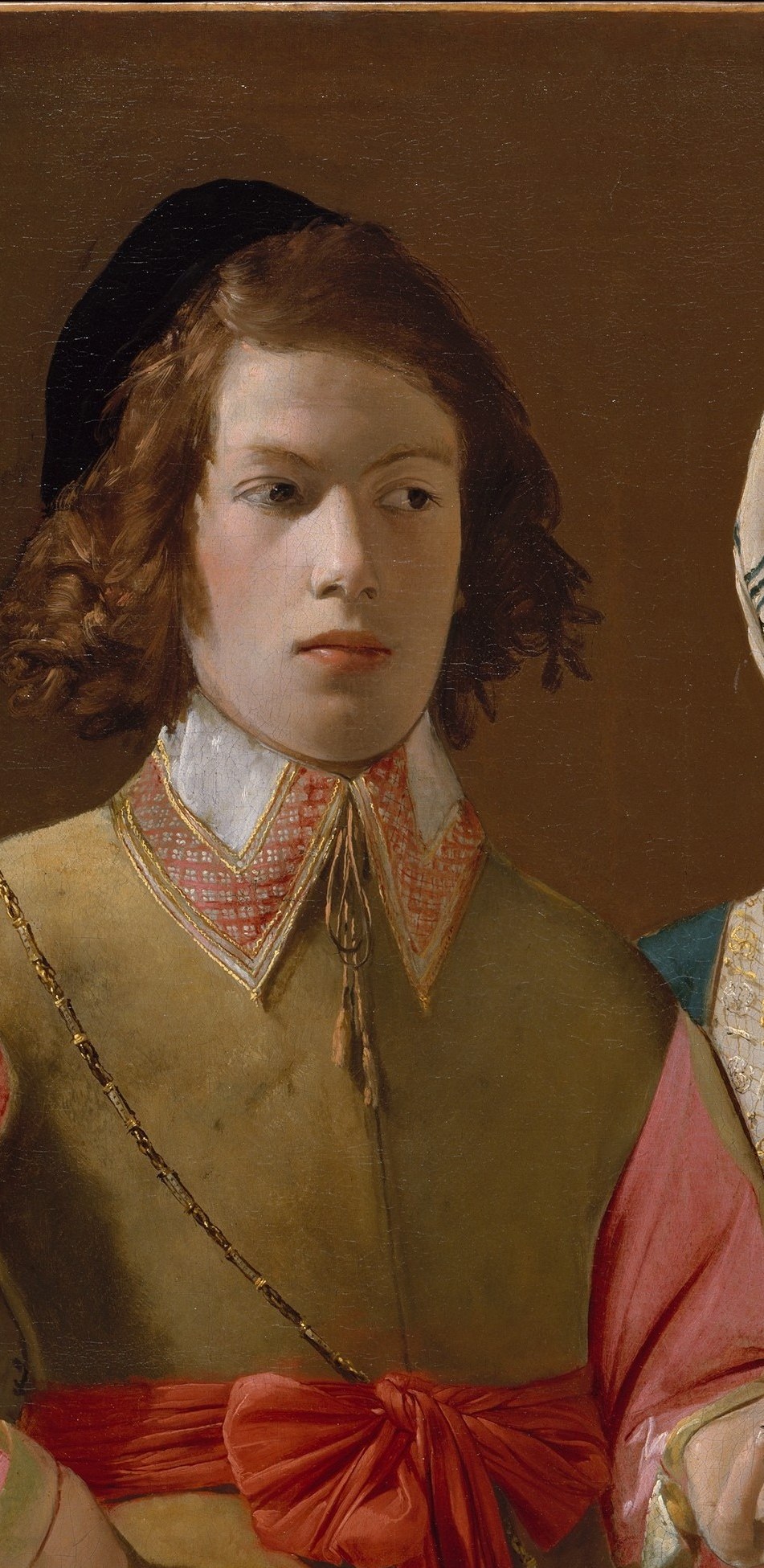
This painting isn't about telling fortunes. It's about stealing them. Georges de La Tour's 'The Fortune Teller' (c. 1630) hangs in the Metropolitan Museum of Art, and nearly everything the title suggests is a lie, a lie the artist wants you to see through while the young man in the painting cannot.
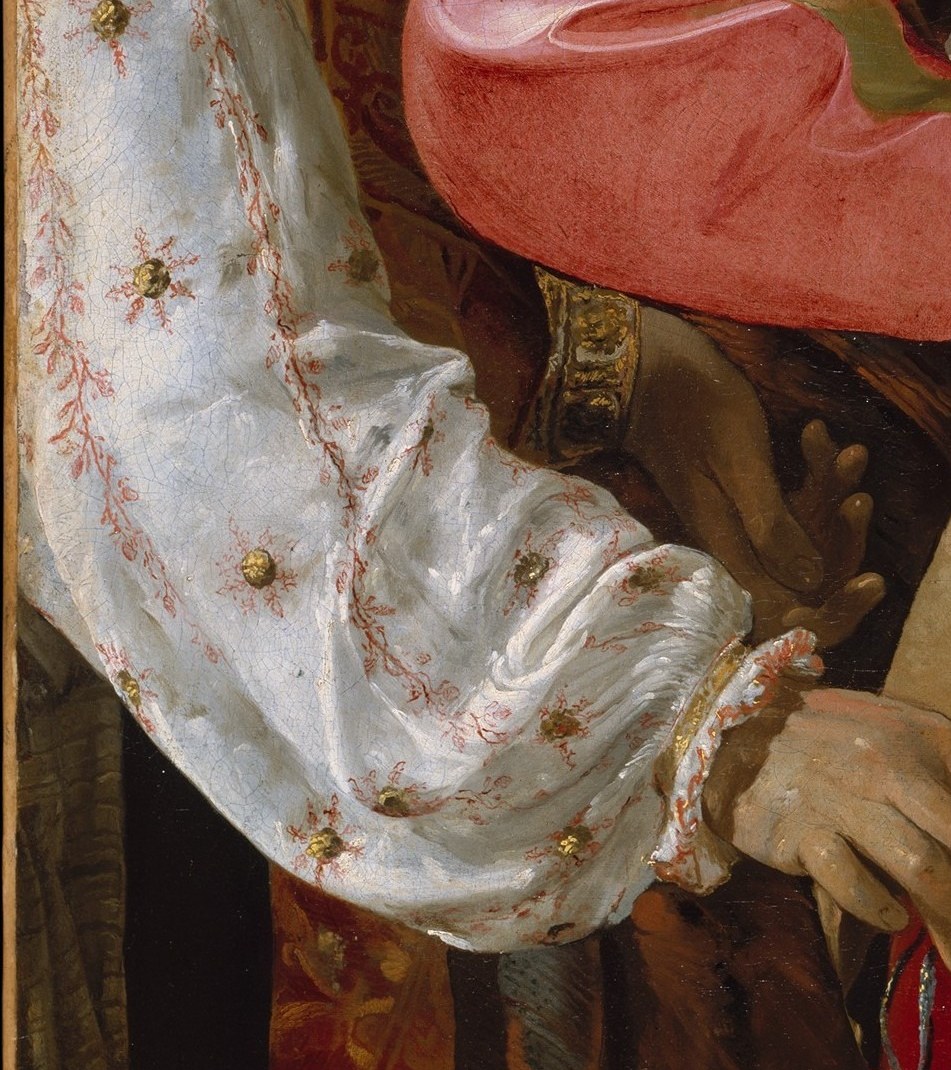
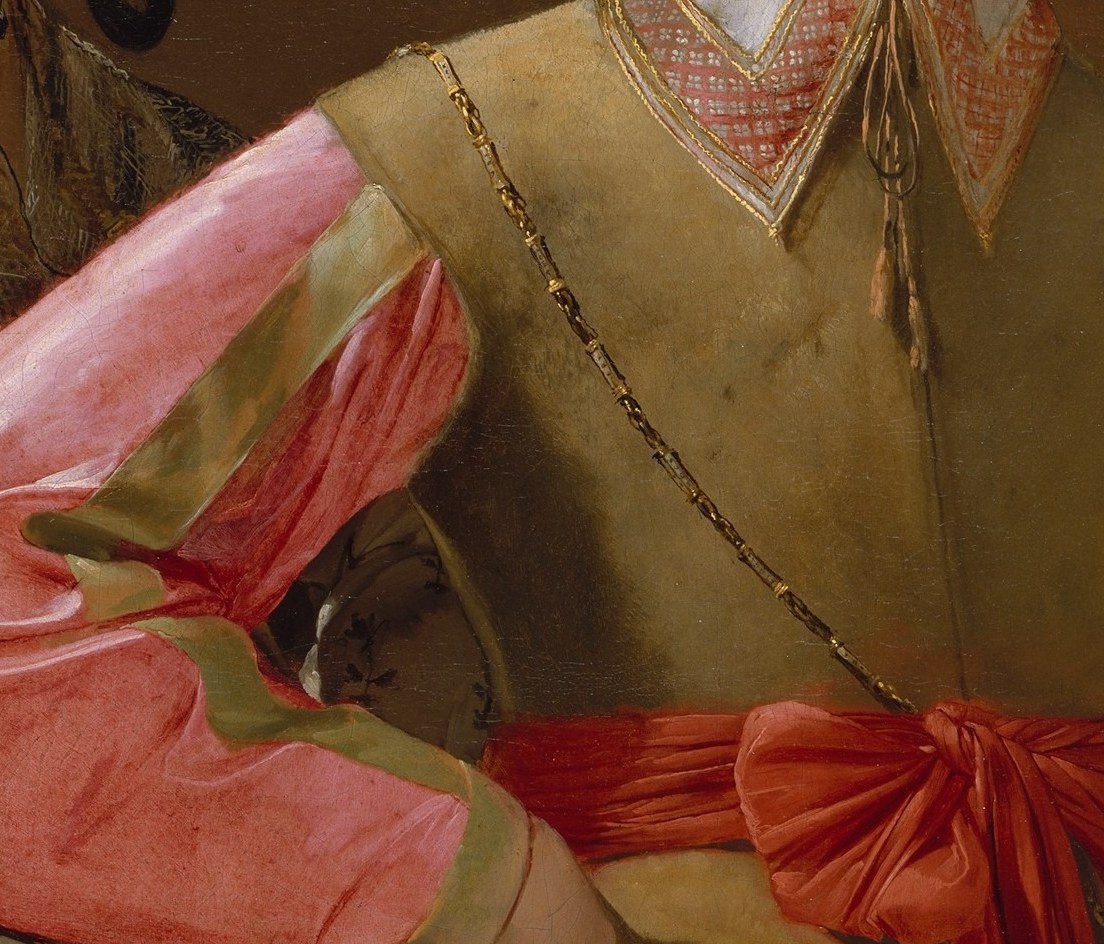
Look at the old woman's eyes holding his. Now look at the young woman in pink-red: her hand is moving toward his coin. Look further left. A figure nearly cut off by the frame is holding a blade to the gold chain on his chest. Three thieves work him at once while he stares, trusting, into the fortune teller's face. The con is mapped out for you in the cluster of hands at the center; he alone cannot see it.
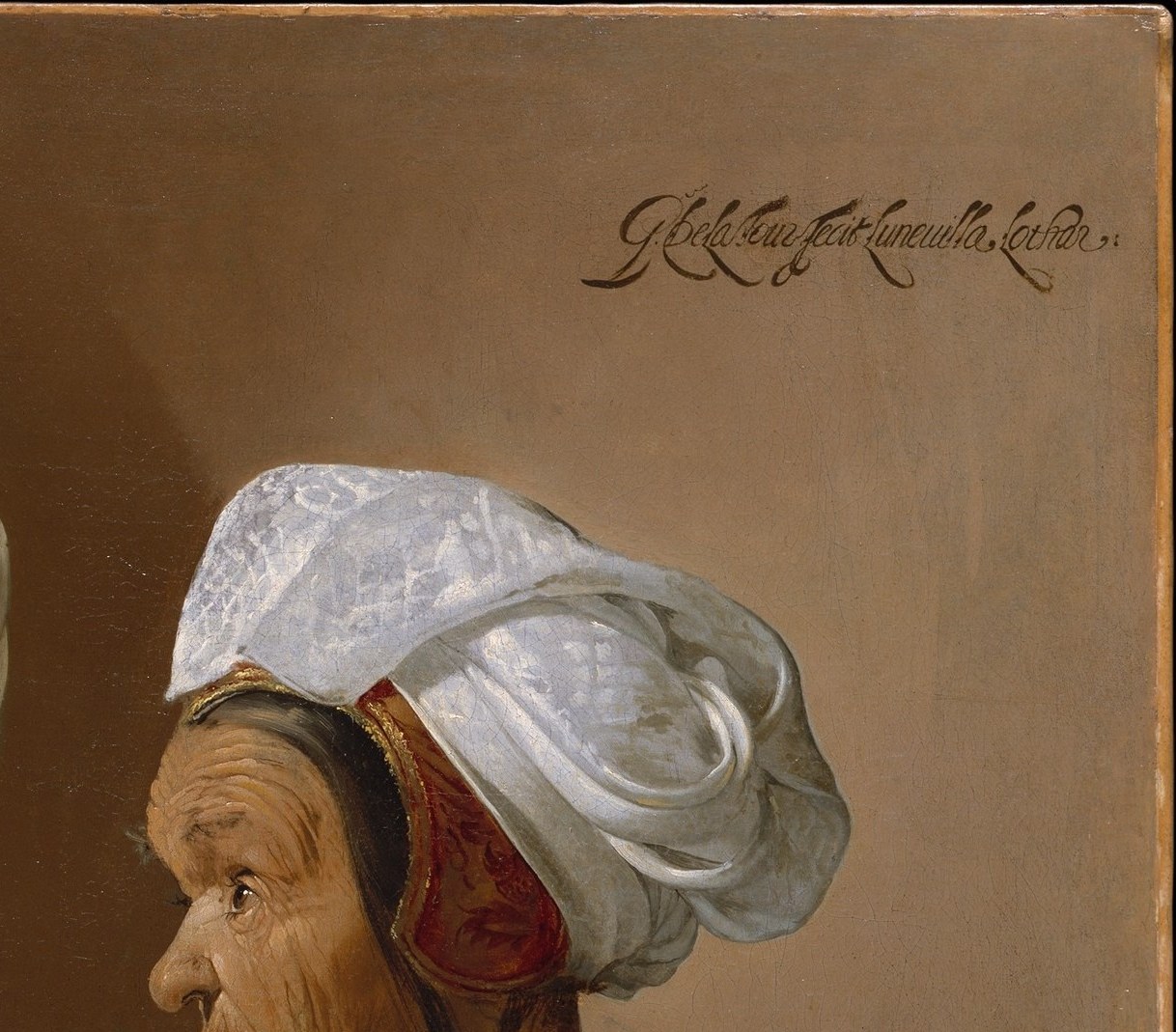
The painting was lost for centuries and only resurfaced around 1960, when the Met bought it that same year. The attribution came from a calligraphic signature La Tour left at the top right: 'G. de La Tour Fecit Luneuilla Lothar', the artist’s name and origin, hiding in plain sight above the crime scene. The signature itself is a piece of evidence, waiting to be noticed.
What does it mean that the painter makes you, the viewer, complicit, able to see the theft but powerless to warn the mark?
Details
Transcript
He came for a glimpse of his future. What he found was a ring of thieves. The fortune teller holds his hand and his gaze. The young woman in pink reaches for his coin. And here, at the edge of the frame, a blade. She is cutting the gold chain from his chest. Georges de La Tour hid this crime in plain sight. Then he signed it at the top right.