Untitled by Luo Mu
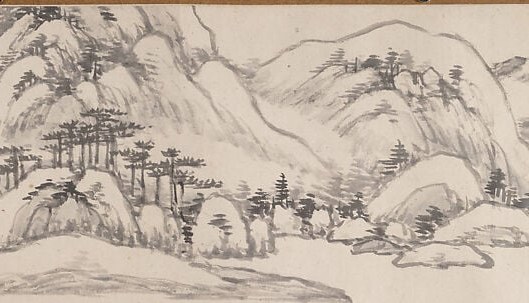
Luo Mu painted this handscroll in 1661, just seventeen years after the Ming dynasty collapsed. He was a Ming loyalist, and he did something radical with ink and paper: he let most of it go empty.
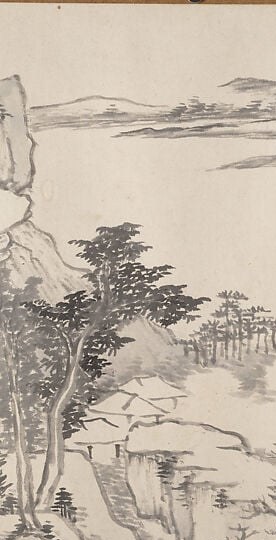
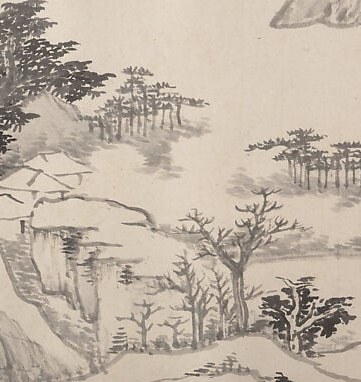
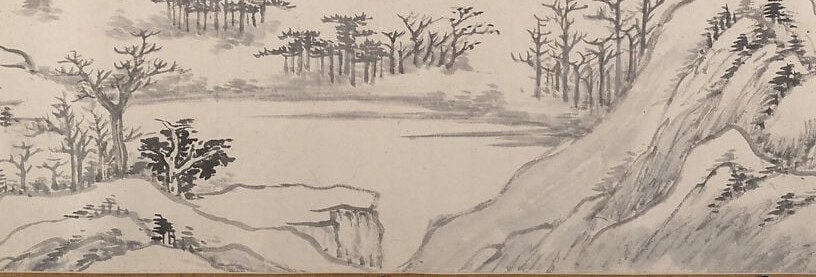
Look at the scroll from right to left, the way it was meant to be read. The opening passage is a dense, ink-black cliff, the old world, solid and unshakable. Past it, a scholar's pavilion shelters under bare winter trees. In literati painting, leafless trees after a dynastic fall signified loss and endurance at once.
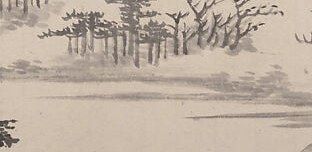
Then the ink thins. A vast expanse of unpainted paper becomes mist, water, and air. A single boat drifts near the bottom, small enough to miss. The mountains on the far right dissolve so completely into the bare paper that they almost cease to exist. Every compositional choice here is a coded statement: the new Qing order is not worth filling the page for.
The Met holds this scroll. It has no title. What title would you give it?
Details
Transcript
After the Ming dynasty fell, a painter made this. A wall of ink. The old world, solid and dark. Bare winter trees meant loss and endurance. Now look at most of the scroll. Emptiness made of water and air. Grief you can't draw. A scholar-exile, alone on the silence. The painter was a Ming loyalist. He refused the new order. This is where the world dissolves.