Eliphalet Terry by Morse, Samuel F. B.
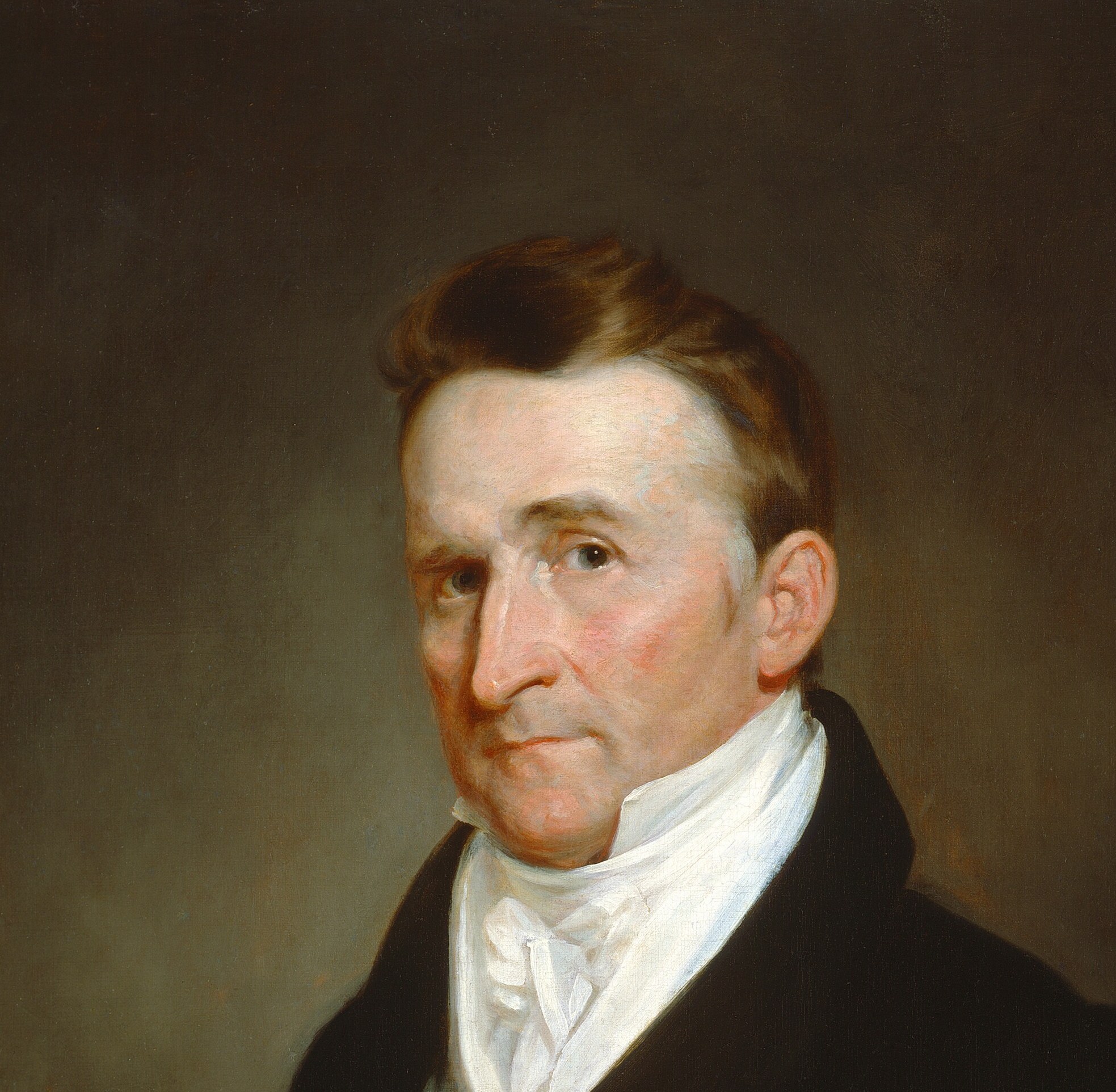
Samuel F. B. Morse painted this portrait of Eliphalet Terry around 1824 and then did something almost unthinkable for a successful artist: he walked away from it completely.
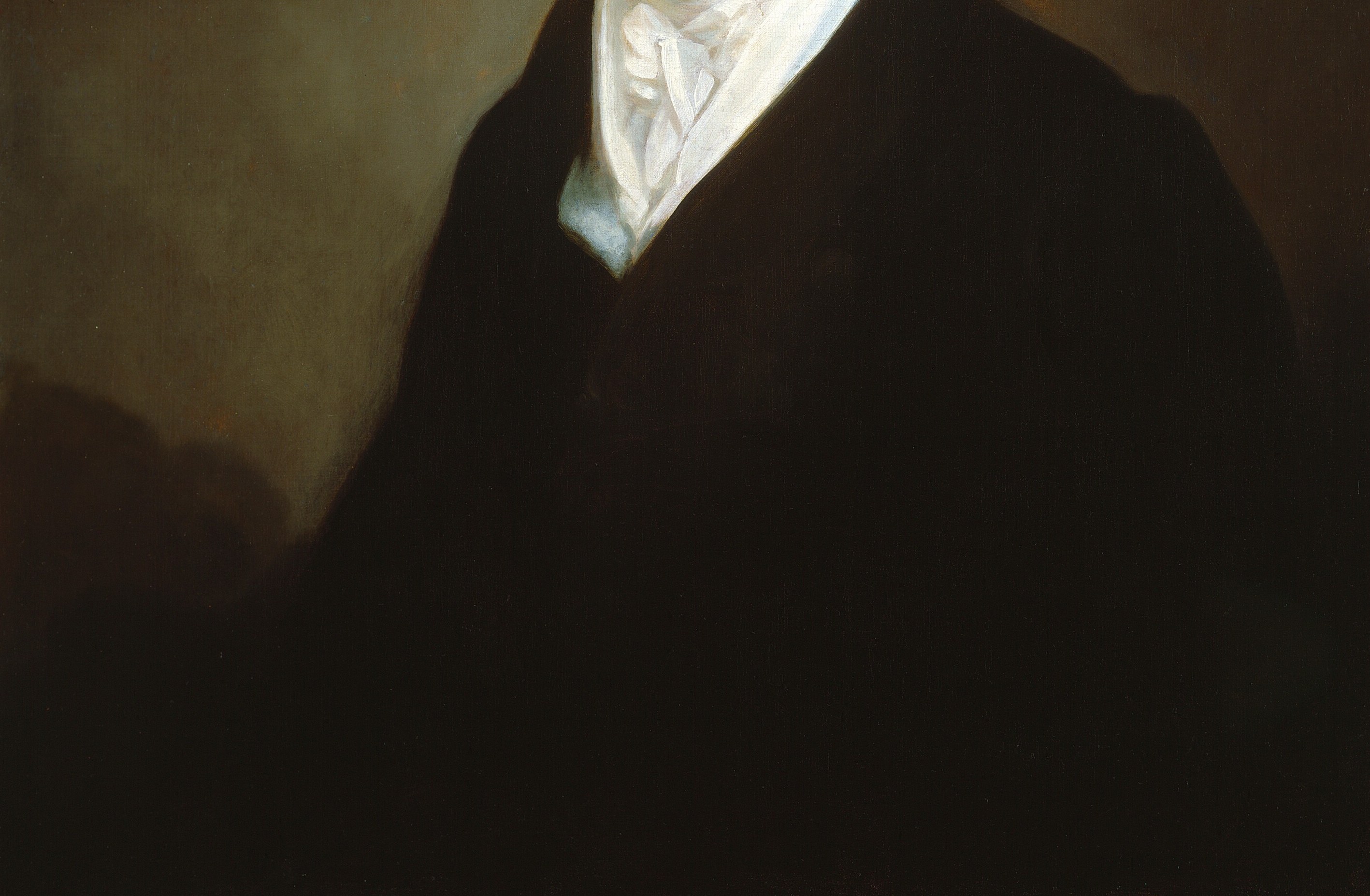
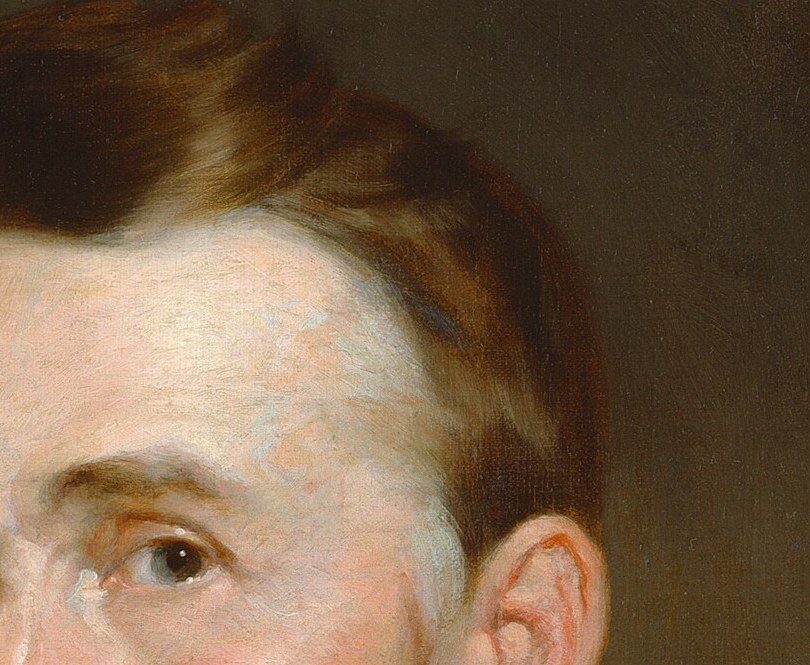
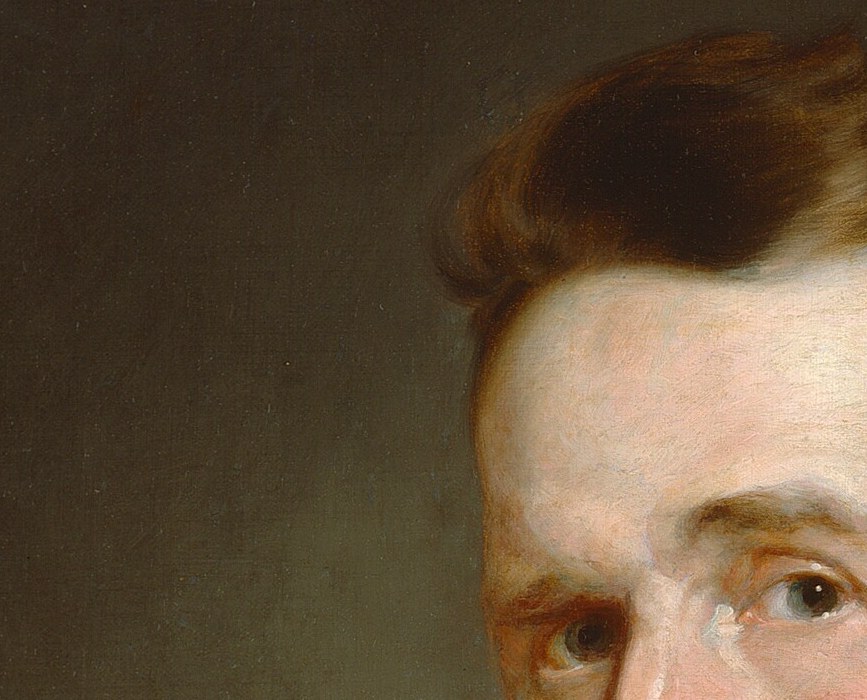
Look at the face. Morse trained at the Royal Academy in London and it shows in the careful modeling, the shadowed left eye gives the sitter a three-dimensional presence no flat likeness can match. The crisp white cravat and heavy dark coat ground the composition, but the asymmetrical lighting on the face is where the life is.
Morse was one of the most promising American painters of his generation, earning his living as a traveling portraitist. That changed in the 1830s when, on a ship crossing the Atlantic, he sketched the first designs for an electric telegraph. He abandoned art, patented the single-wire telegraph in 1837, and co-developed the code that still bears his name. Today he is remembered as an inventor; this painting captures him as the artist he was first.
What career path would you give up if something even more compelling came along?
Details

Transcript
A serious man in a dark coat. A professional portrait. The sitter is Eliphalet Terry. The year is about 1824. The painter was a rising American star named Samuel Morse. Look at the left eye, falling into shadow. An asymmetry that makes him alive. Morse trained in London. He could paint anyone and did. But within a decade of this portrait, he put down his brushes forever. He saw a French optical telegraph and thought: electricity is faster. The man who painted this eye invented the single-wire telegraph.