Portraits of the Qianlong Emperor and His Twelve Consorts by Giuseppe Castiglione
Giuseppe Castiglione, an Italian Jesuit missionary and painter, created this remarkable work, “Portraits of the Qianlong Emperor and His Twelve Consorts” in 1736. It now resides at The Cleveland Museum of Art.
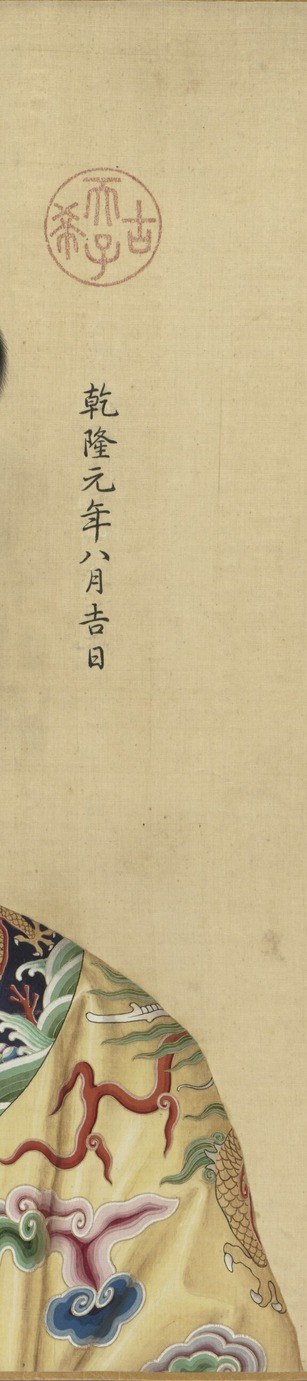
Castiglione was a court painter for the Qianlong Emperor in China. He famously blended European oil painting techniques with traditional Chinese art. In this portrait, you can see his Western realism in the emperor’s elaborate robes, complete with delicate shading and intricate folds.
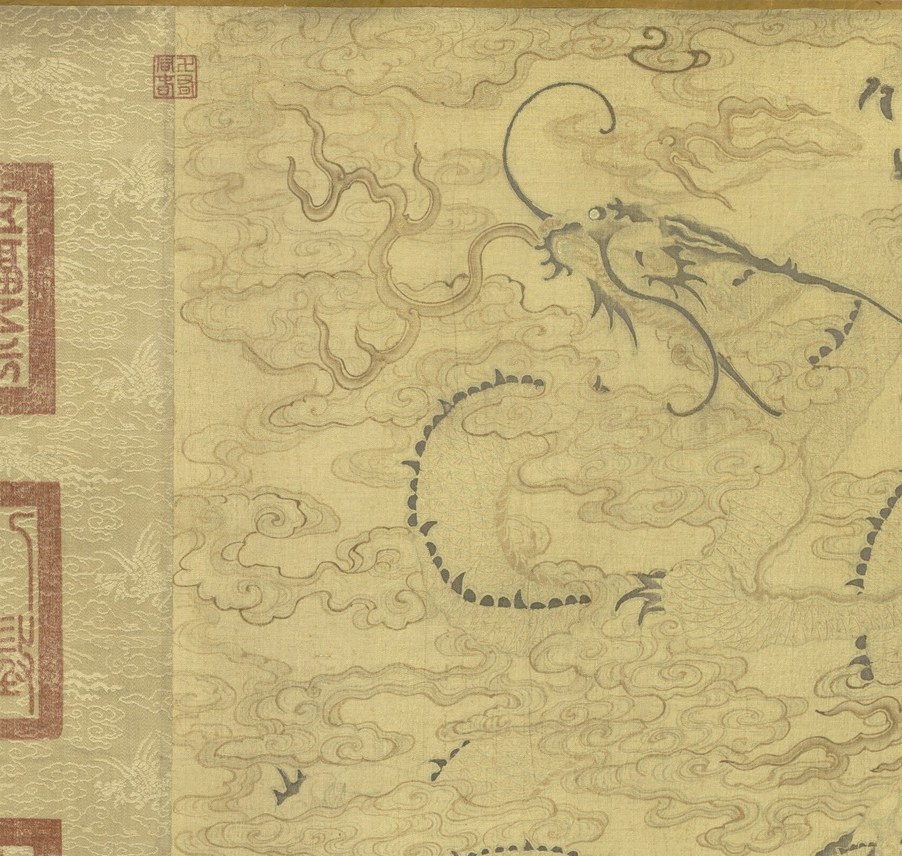
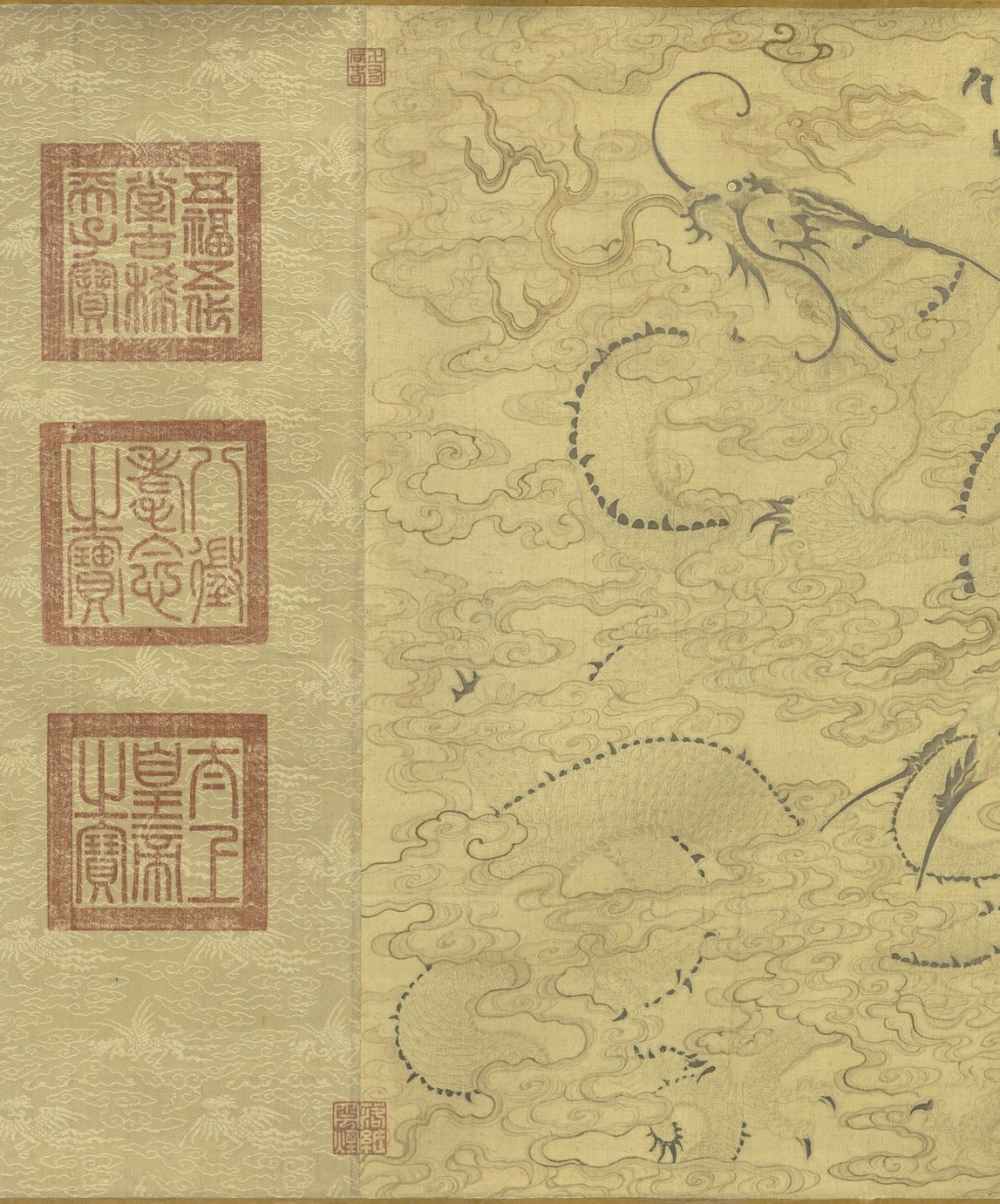
Yet, on the right side of the painting, a traditional Chinese dragon emerges, rendered in the classic ink wash style. The true marvel is how these two distinct artistic traditions meet and seamlessly transition at the painting's central seam, a testament to Castiglione's unique talent and the cultural exchange of the era.
This painting is a fascinating visual record of a moment when Eastern and Western artistic worlds intersected, creating something entirely new. Can you spot other details where the styles blend?
Details

Transcript
This painting blends two worlds: East and West. An Italian Jesuit, Castiglione, served the Qing Emperor. He painted these robes with Western realism and shading. But on the right, a classic Chinese dragon appears. It is painted in the Chinese ink wash tradition. The two styles meet exactly at this seam.