Portrait of a Woman by Giovanni Battista Gaulli
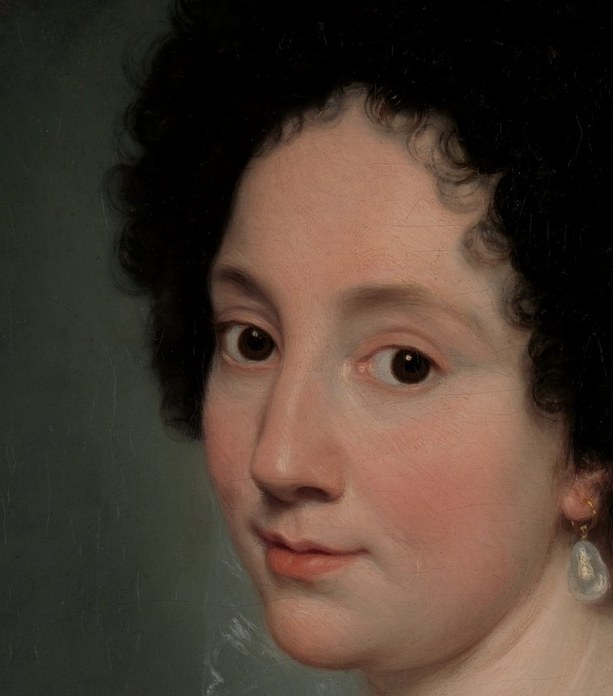
Giovanni Battista Gaulli's Portrait of a Woman, painted around 1670, is a masterful example of Baroque portraiture now at The Metropolitan Museum of Art. While Gaulli (also known as Baciccio) was primarily celebrated for his grand illusionistic ceiling frescoes in Rome, this painting showcases his versatility in capturing individual subjects with great detail and nuance.
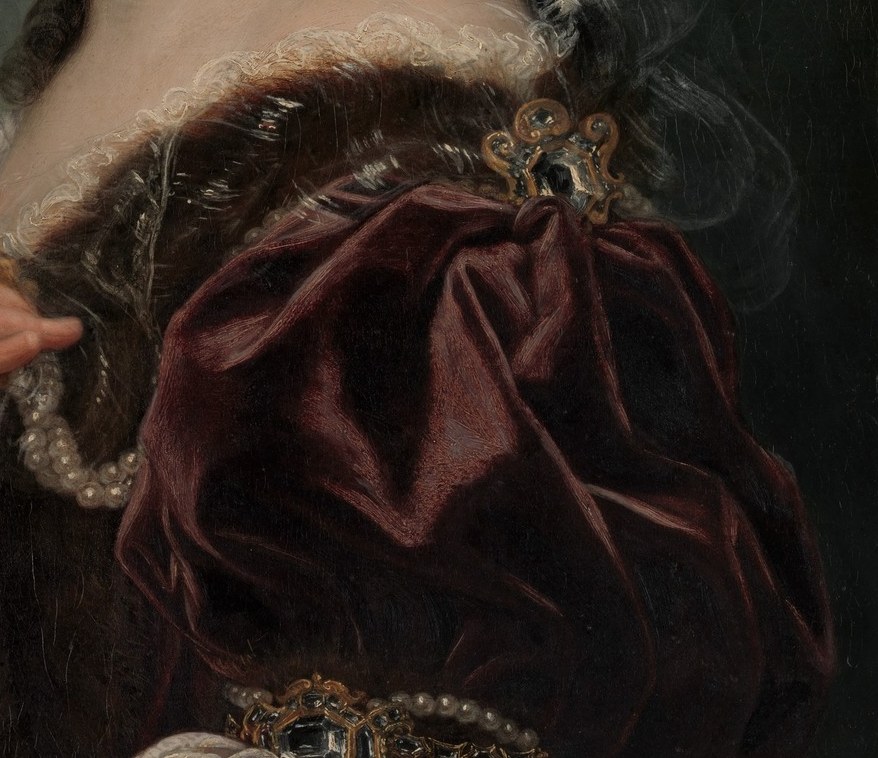
Notice the rich textures and luxurious details, from her deep red velvet dress to the sparkling pearls and intricate brooch. These elements clearly communicate her status and wealth. However, the true intrigue lies in a subtle detail many viewers might miss.
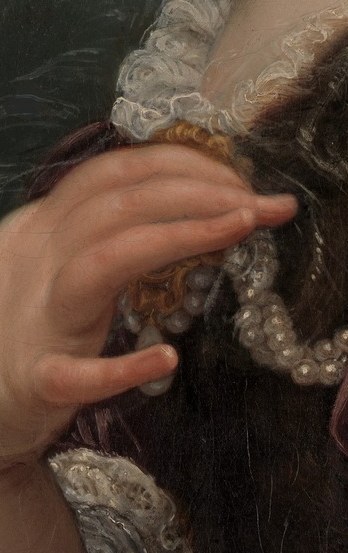
Focus on her left hand, gently resting on her chest. She holds a small, indistinct object, adding a quiet narrative element to her composed expression. The identity of this object remains a subtle mystery, inviting contemplation about the woman's story and what this item might signify.
It's a wonderful reminder that even in formal portraits, artists often embed hidden details that deepen our engagement with the work. What do you imagine she might be holding?
Details
Transcript
This grand Baroque portrait looks straightforward, at first glance. Her rich velvet dress and many jewels signal wealth. The artist, Giovanni Battista Gaulli, was famed for grand ceiling frescoes. But he brought the same skill to intimate portraits, like this one. Look closely at her left hand, resting on her chest. She subtly grasps a small, indistinct object. What is it?