Willem van der Helm (ca 1625-75). Municipal architect of Leiden, with his wife Belytgen Cornelisdr van de Schelt and their son Leendert by Barent Fabritius
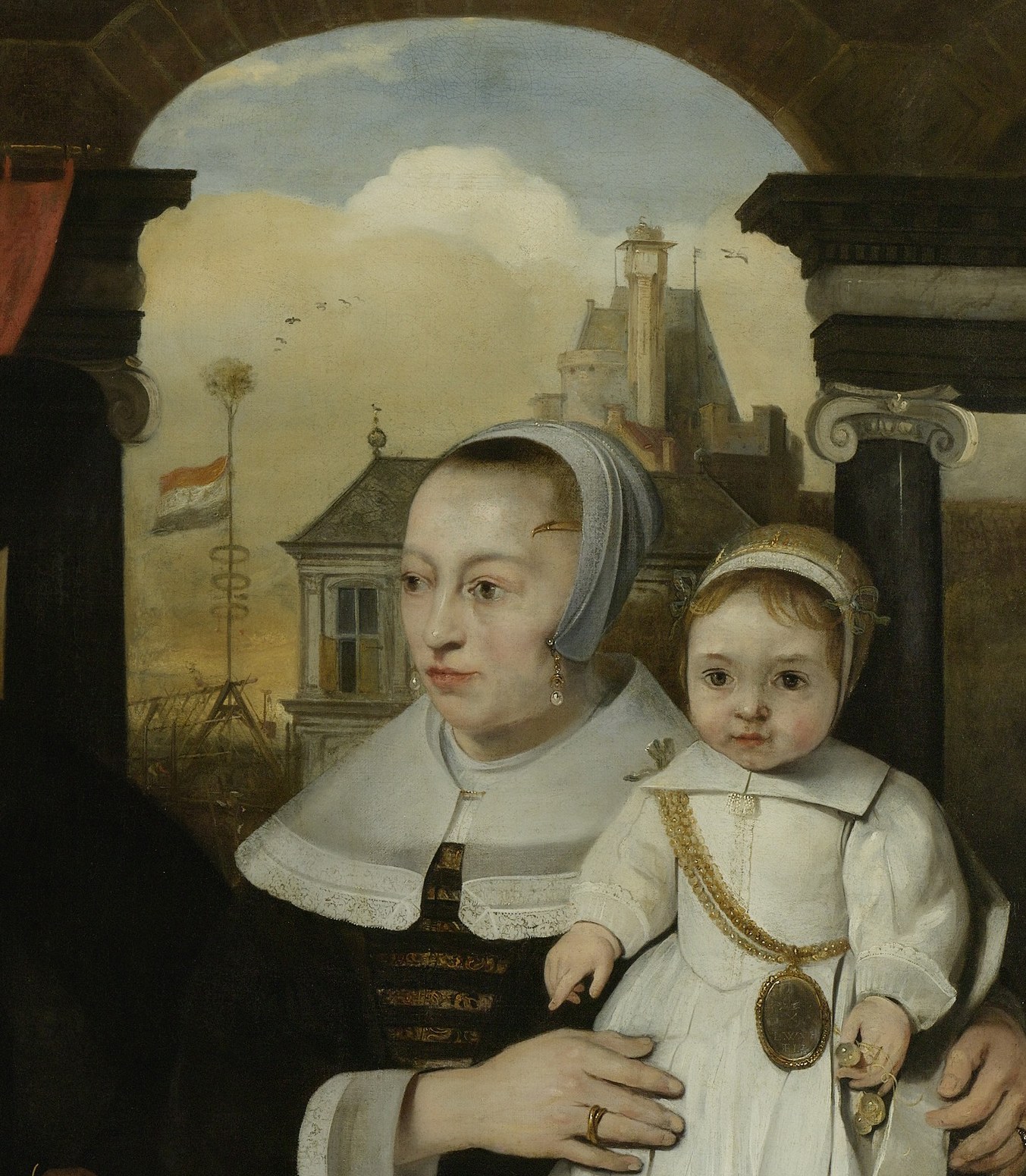
This captivating 1656 oil painting, "Willem van der Helm, His Wife and Son" by Barent Fabritius, offers a window into Dutch Golden Age family life. It's a key work in the Rijksmuseum's collection.
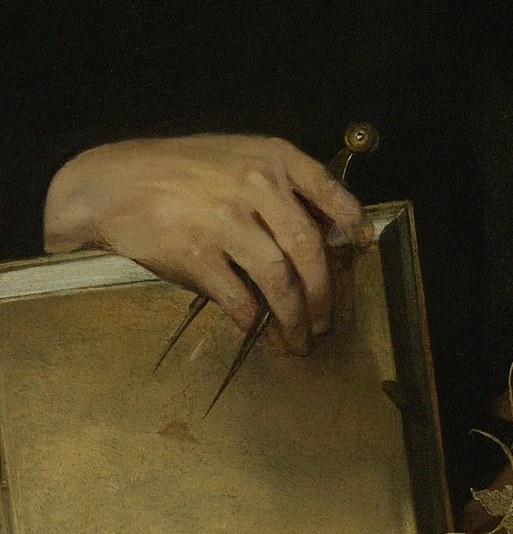
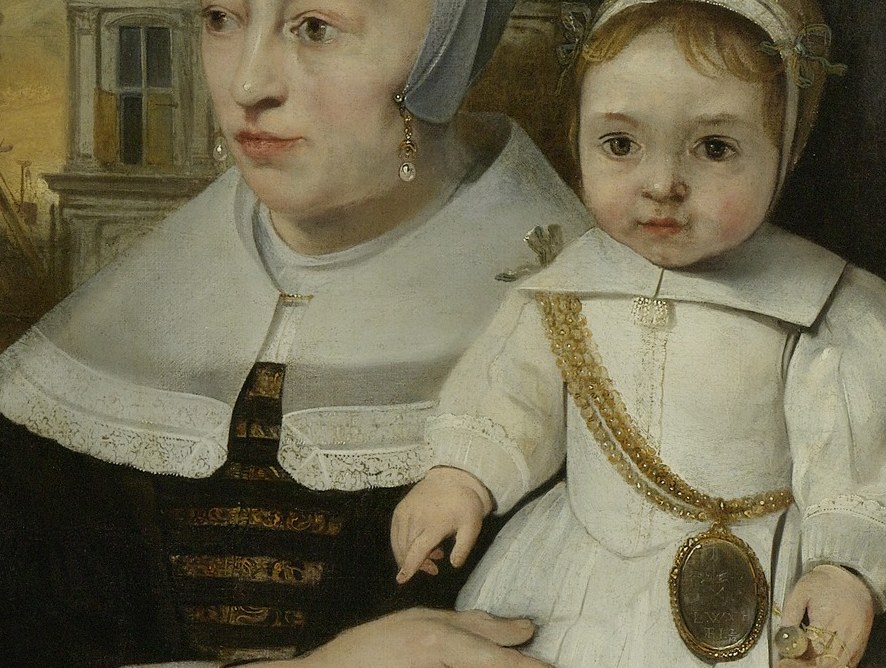
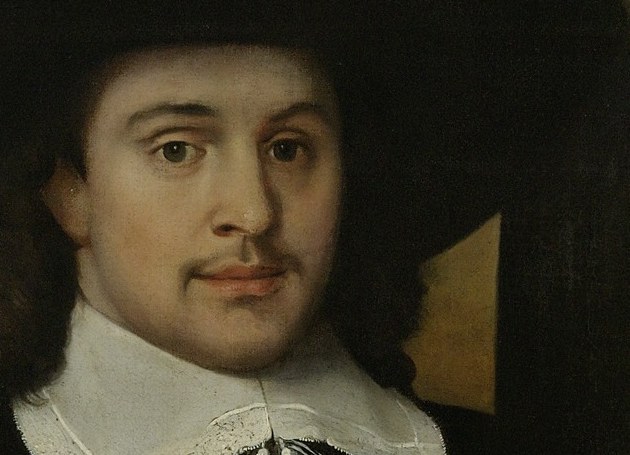
The portrait centers on Willem van der Helm, the municipal architect of Leiden, holding what might be architectural plans. Beside him are his wife Belytgen Cornelisdr van de Schelt, and their young son Leendert, whose wide eyes engage the viewer directly. Notice the rich details, from the patterned tablecloth to the gold necklace worn by the child.
A fascinating detail is the inclusion of the Gravensteen castle in the background, a prominent Leiden landmark. This subtle but significant choice anchors the family within their civic context and celebrates Willem's professional contributions to the city he helped shape. Fabritius, who was possibly trained by Rembrandt, skillfully blended personal portraiture with elements of local pride.
What other local landmarks might modern portraits incorporate to tell a similar story today?
Details
Transcript
Meet Willem van der Helm, Leiden's municipal architect. He’s with his wife Belytgen, and their son, Leendert. His left hand holds a book, perhaps a ledger or plans. Look closely at the window behind them. That's the Gravensteen castle, a Leiden landmark. This portrait celebrates his civic contributions to the city. The painter Barent Fabritius was a student of Rembrandt.