Cutting the Stone by Hieronymus Bosch
View the artwork: Cutting the Stone →
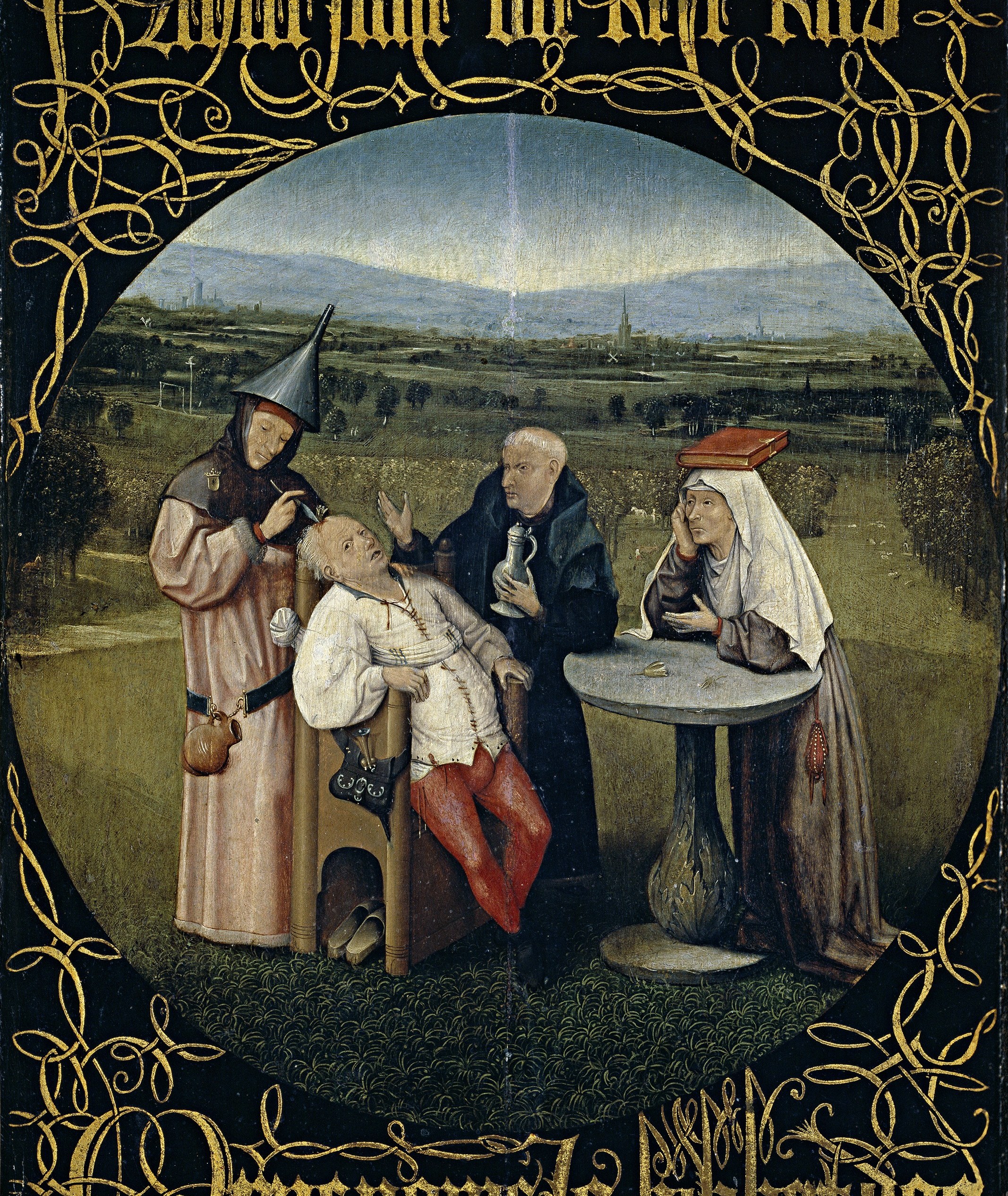
Hieronymus Bosch's Cutting the Stone hangs in the Museo del Prado in Madrid, a circular oil painting on oak panel from around 1501. It looks, at first, like a small medical scene. It is not medical. Nearly every object on the panel is a coded joke at someone's expense, and Bosch packed three distinct targets into less than 50 centimetres of painted wood.
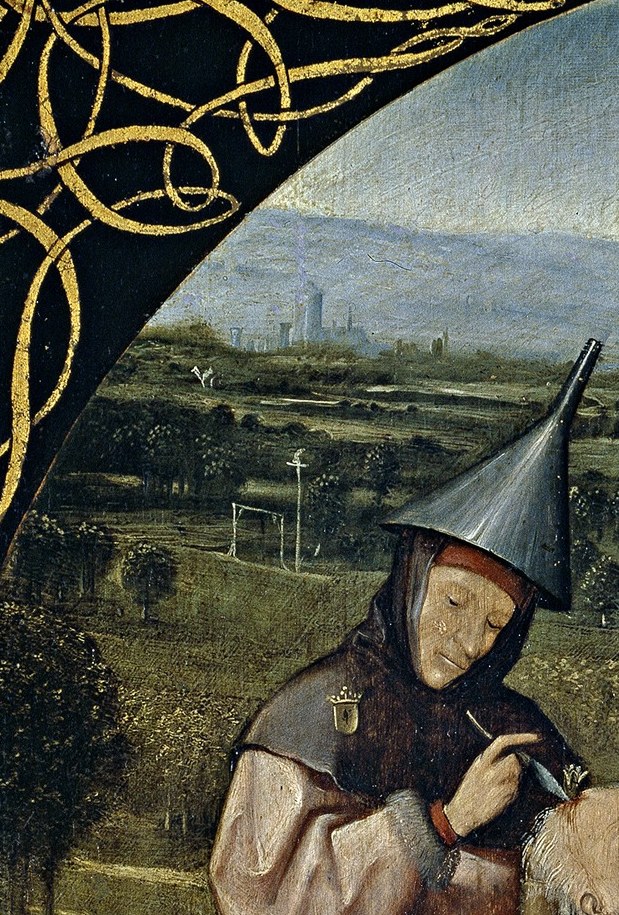
Look at the surgeon's hat. An inverted funnel was the badge of the fairground mountebank and the court jester, and any viewer in Bosch's time would have registered the diagnosis instantly: this man is a fraud. Now look at what he has just removed from the patient's head. The Dutch word kei means both stone and tulip bulb. The legendary stone of madness, the thing this entire operation exists to extract, turns out to be a botanical pun. Whoever paid for this cure left with a flower and a scar.
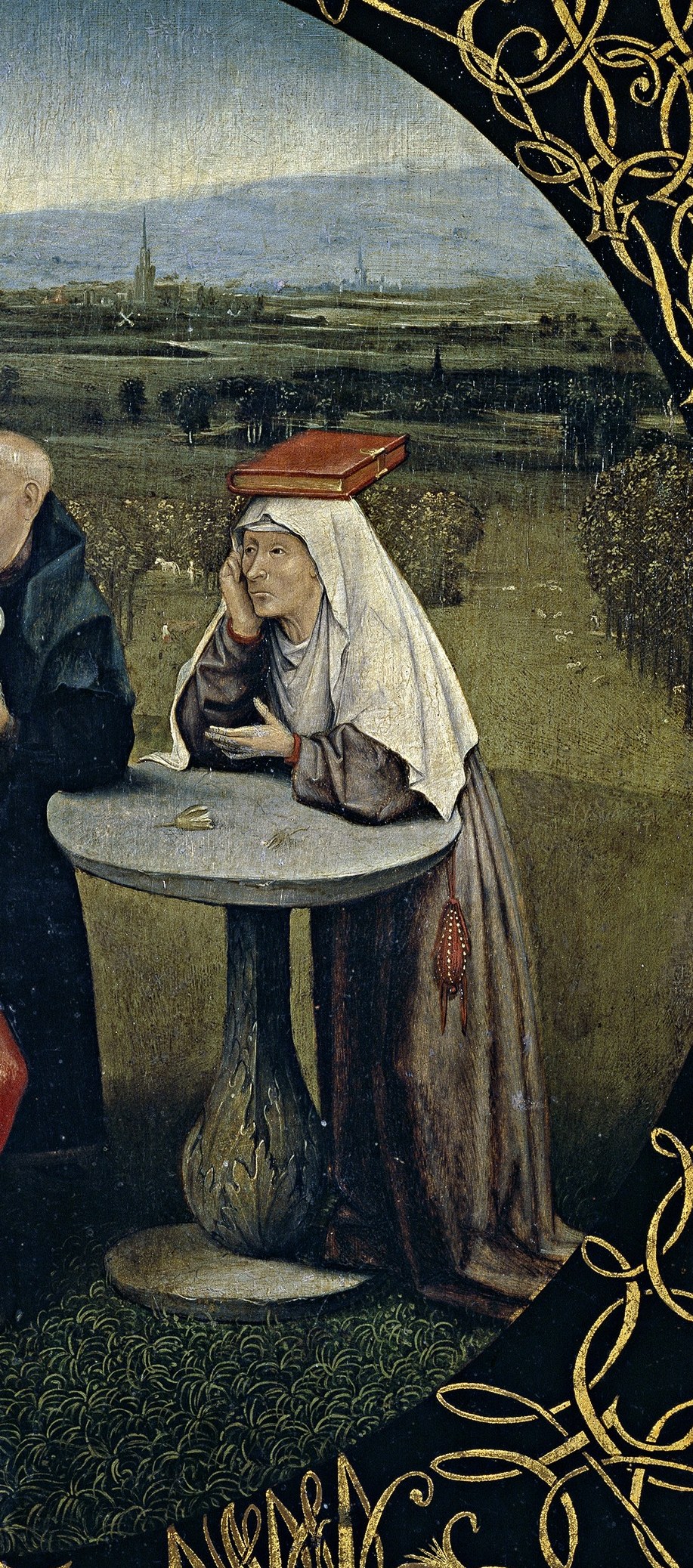
The third figure seals the indictment. A monk stands behind the surgeon, holding a tankard, watching the procedure in silence. The Church, Bosch implies, is either complicit in the quackery or too credulous to stop it. The woman with a book balanced on her head extends the logic further: scripture or learning worn as ornament rather than absorbed. Knowledge has become a hat.
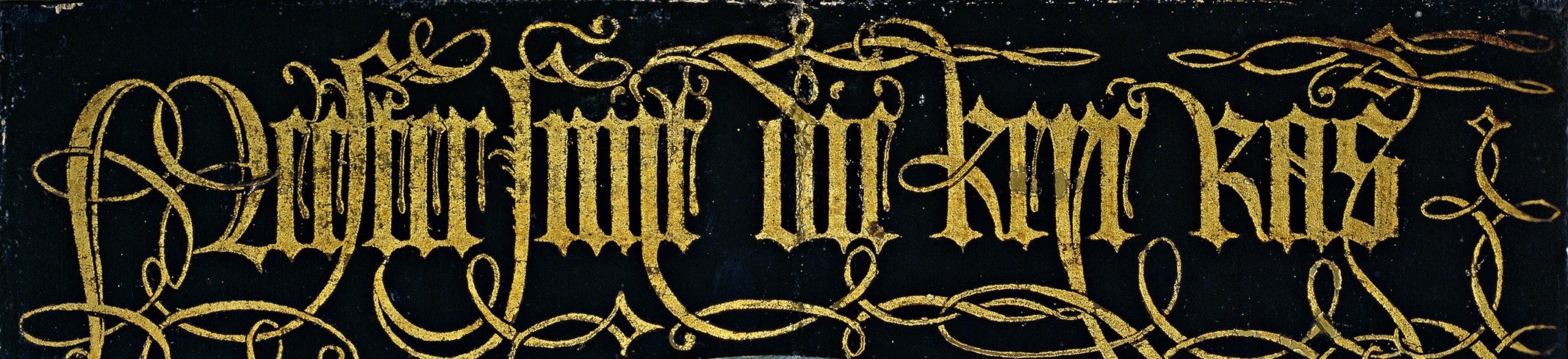
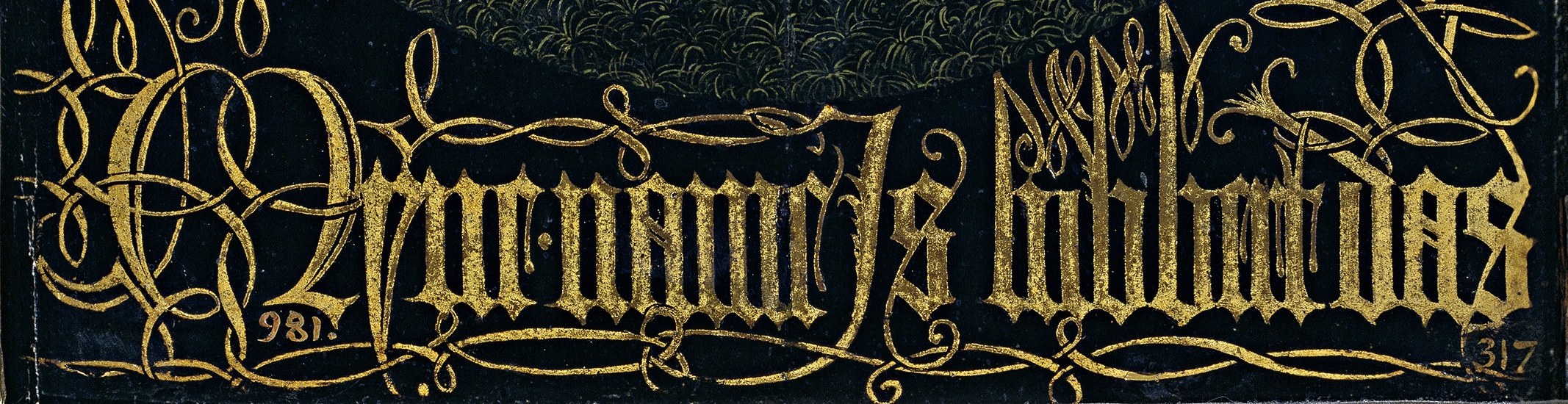
The patient's name is written in gold Gothic script across the lower border: Lubbert Das. He was a stock fool in Dutch literary comedy. Bosch's painting is not a scene observed in a village square. It is a moral satire built like a proverb illustration, and the viewer who turns away without reading the symbols has played the fool as thoroughly as Lubbert Das.
#arthistory #hieronymusbosch #renaissanceart
Details
Transcript
Step into a quiet Flemish afternoon around 1500. Four figures. A small operation. Nothing feels right. Start with his hat. An inverted funnel. Jesters and fairground quacks wore this. Bosch told you, before a word was read: fraud. They called the illness a stone in the head. A real blade, a real skull. But look at the table. Not a stone. A flower bulb. The Dutch word for stone is also the word for bulb. The cure is a pun. Behind him, a monk. Watching. Saying nothing.