Leslie Pease Barnum by Duveneck, Frank
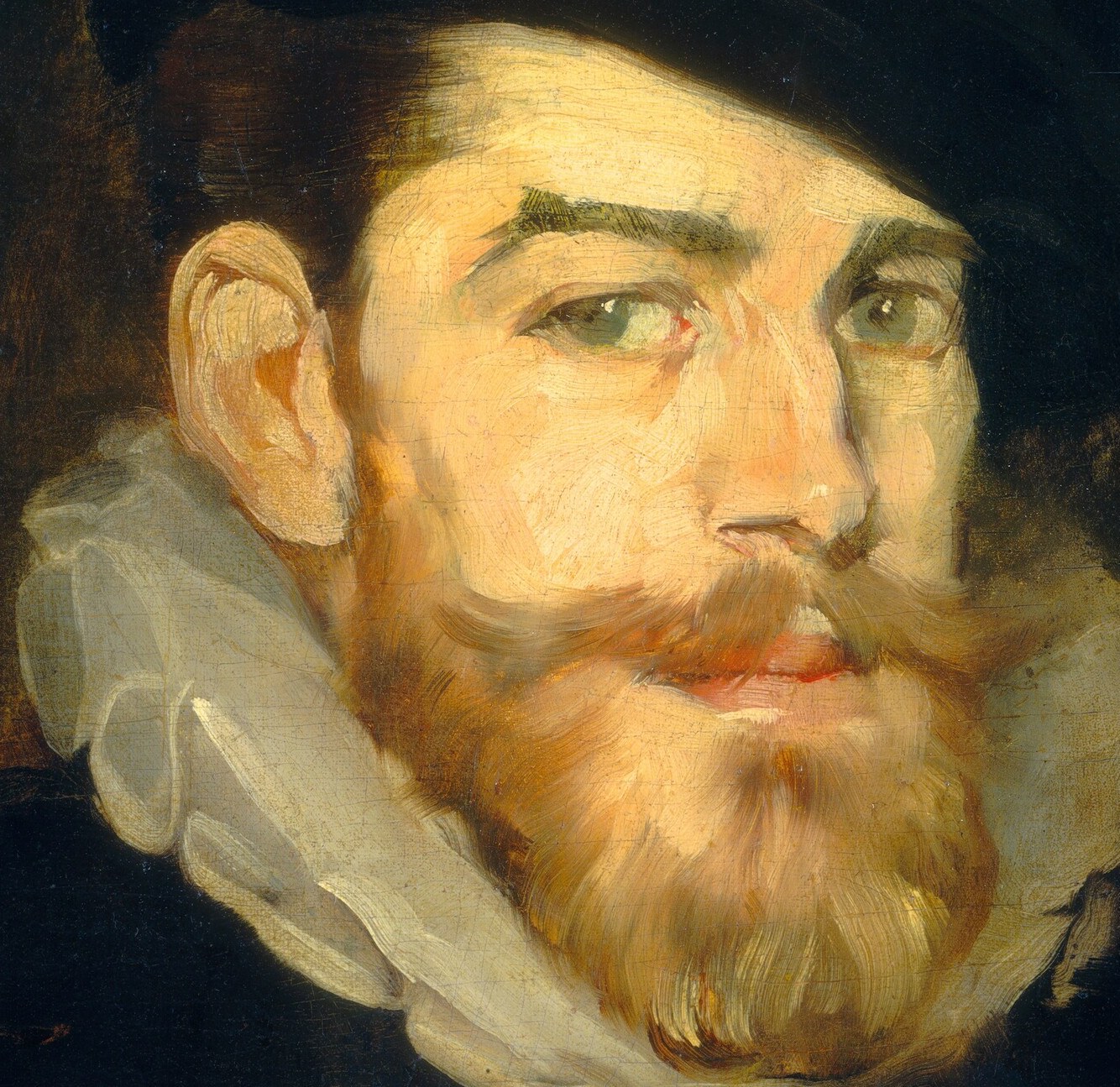
Frank Duveneck's 1876 portrait, *Leslie Pease Barnum*, at the [Museum Name, if known], showcases a dramatic approach to light and brushwork that initially caused a stir in America.
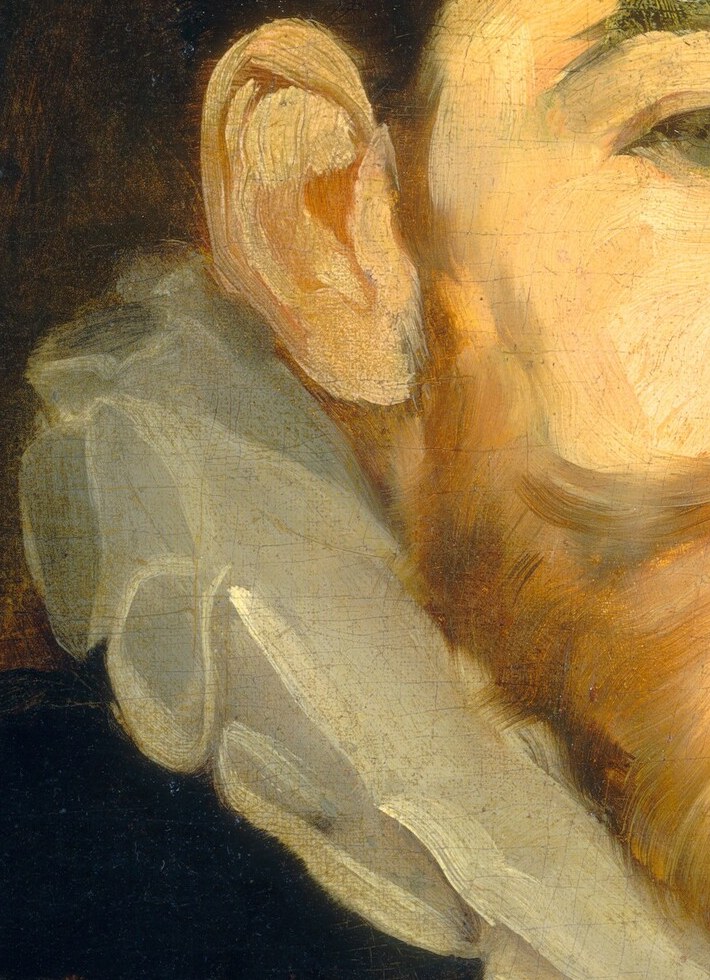
Duveneck trained in Munich, where he absorbed techniques like chiaroscuro, strong contrasts between light and dark. Notice the intense highlight on the sitter's cheek and the deep shadow on the other side of his face, making his features emerge from the dark background. The loose, visible brushstrokes, especially on the neck and beard, were considered 'unfinished' by many American critics when this style first appeared.
Despite the initial controversy, this bold, painterly approach became Duveneck's hallmark. His technique influenced a new generation of American artists, solidifying his reputation as a key figure in late 19th-century American art. It's a reminder of how artistic conventions can shift and evolve over time.
What do you think of this dramatic lighting?
Details
Transcript
This painter studied in Munich, learning a new kind of portrait. He used dramatic light and shadow, called chiaroscuro. See the strong highlight on the cheek, pushing the face forward. Notice the loose, visible brushstrokes on the skin and hair. This 'unfinished' style shocked American critics at the time. But it became his signature, influencing a generation of painters.