Immortal Poet by Kanō Shōun
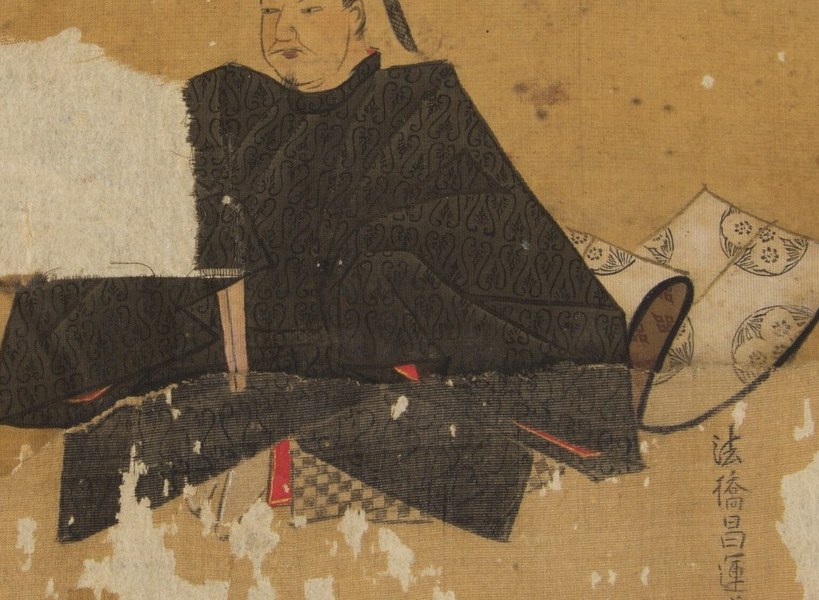
Kanō Shōun's "Immortal Poet," painted around 1700 and housed at The Metropolitan Museum of Art, captures a moment of profound introspection and dignity.
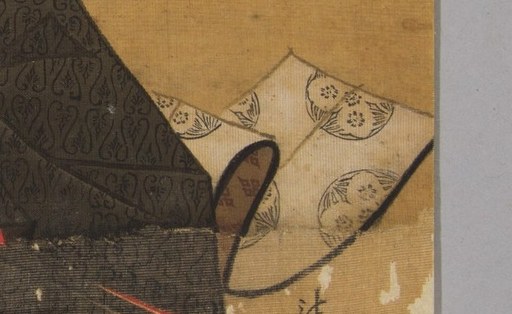
The poet is depicted with a placid expression and a calm posture, his hands folded, suggesting deep contemplation. Notice the intricate patterns on his robe and the delicate fan, subtle details that speak to his refined, scholarly identity.
Kanō Shōun (1637-1702), a Japanese artist, masterfully used flat areas of color and simple shapes, foregoing extensive shading to create a sense of graphic clarity rather than three-dimensional realism. This stylistic choice emphasizes the subject's serene presence.
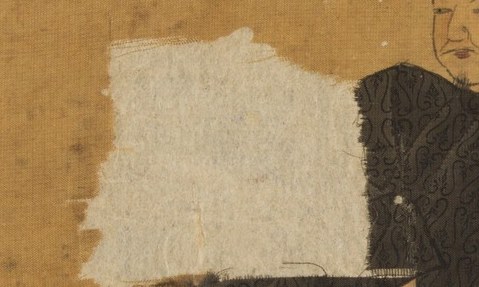
The worn appearance of the paper further enhances its historical character, inviting us to reflect on the quiet strength of this timeless figure.
Details
Transcript
This man is a poet, painted in Japan around 1700. His quiet posture and gaze convey deep contemplation. See how his hands are calmly folded in his lap. He holds a white cloth, a subtle hint of refinement. The artist used simple shapes to create his serene dignity. Even the patterned fan suggests artistic sensibilities. This portrait captures a moment of quiet, eternal reflection.