The French Comedians by Jean Antoine Watteau
Jean-Antoine Watteau painted "The French Comedians" in 1720, roughly a year before his death from tuberculosis. He was only 36. By this point, he was physically wrecked but still painting with an urgency that feels less like ambition and more like a need to say goodbye.
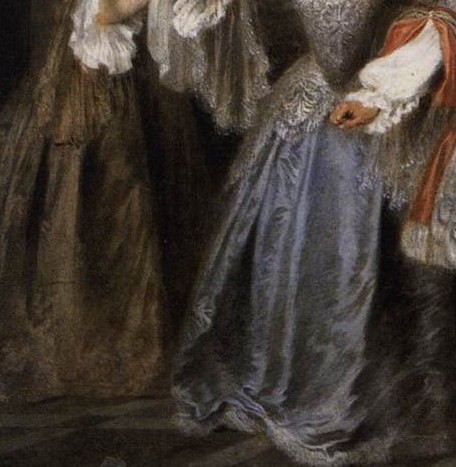
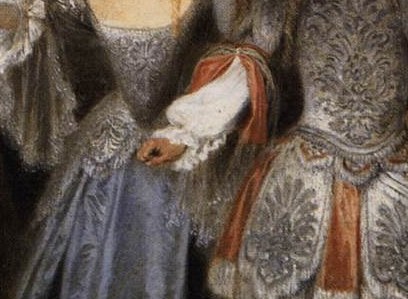
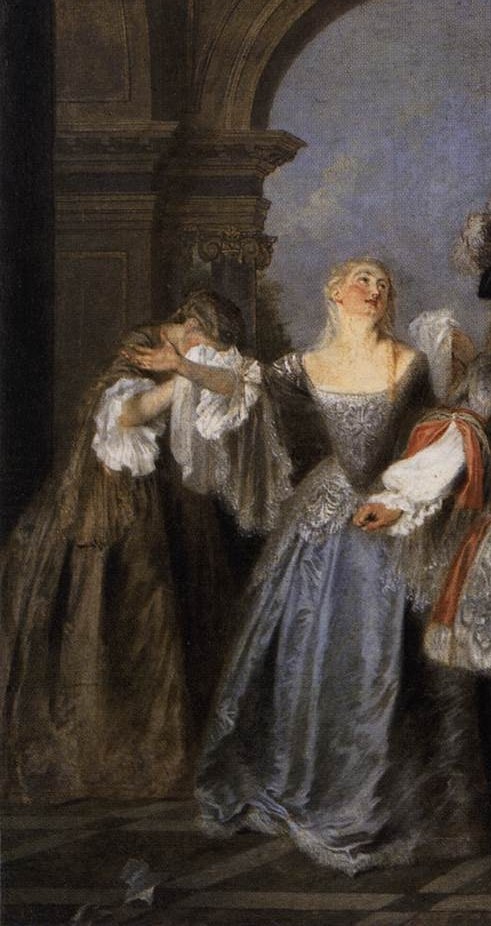
Look at the luminous silver-blue dress, how the satin catches the light while the lace dissolves into shadow. That fabric is pure technical confidence, a painter in full command. Now look at the space between the two central figures. Their hands live in the gap where connection either happens or fails. Her face, tilted toward him, holds something open. His eyes, shadowed by that theatrical hat, have already retreated into performance.
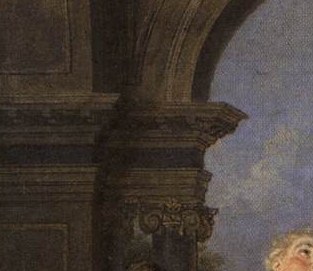
Watteau essentially invented the fête galante, scenes of elegant outdoor leisure tinged with melancholy. But here, the melancholy is not a stylistic choice. He was painting a troupe of actors, likely friends, and the entire composition is structured like a stage. Everyone is performing, even the one who most wants to be real. The shadowy figures in the background wait for a cue that may never come.
The painting lives at The Metropolitan Museum of Art. It is one of his last works, and it honors the theater not as escape but as the place where we practice what we cannot say at home.
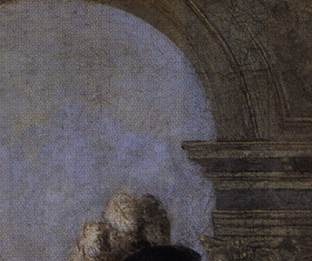
Details
Transcript
He was dying. He knew it. So he painted a stage populated by friends. His leading lady's dress dissolves into a dream. Her face searches his. The connection is real. His eyes are shadowed. He has already stepped back. Watteau painted this a year before he died of tuberculosis. On a stage, you can rehearse farewells.