Head of Christ by Emmanuel Tzanes
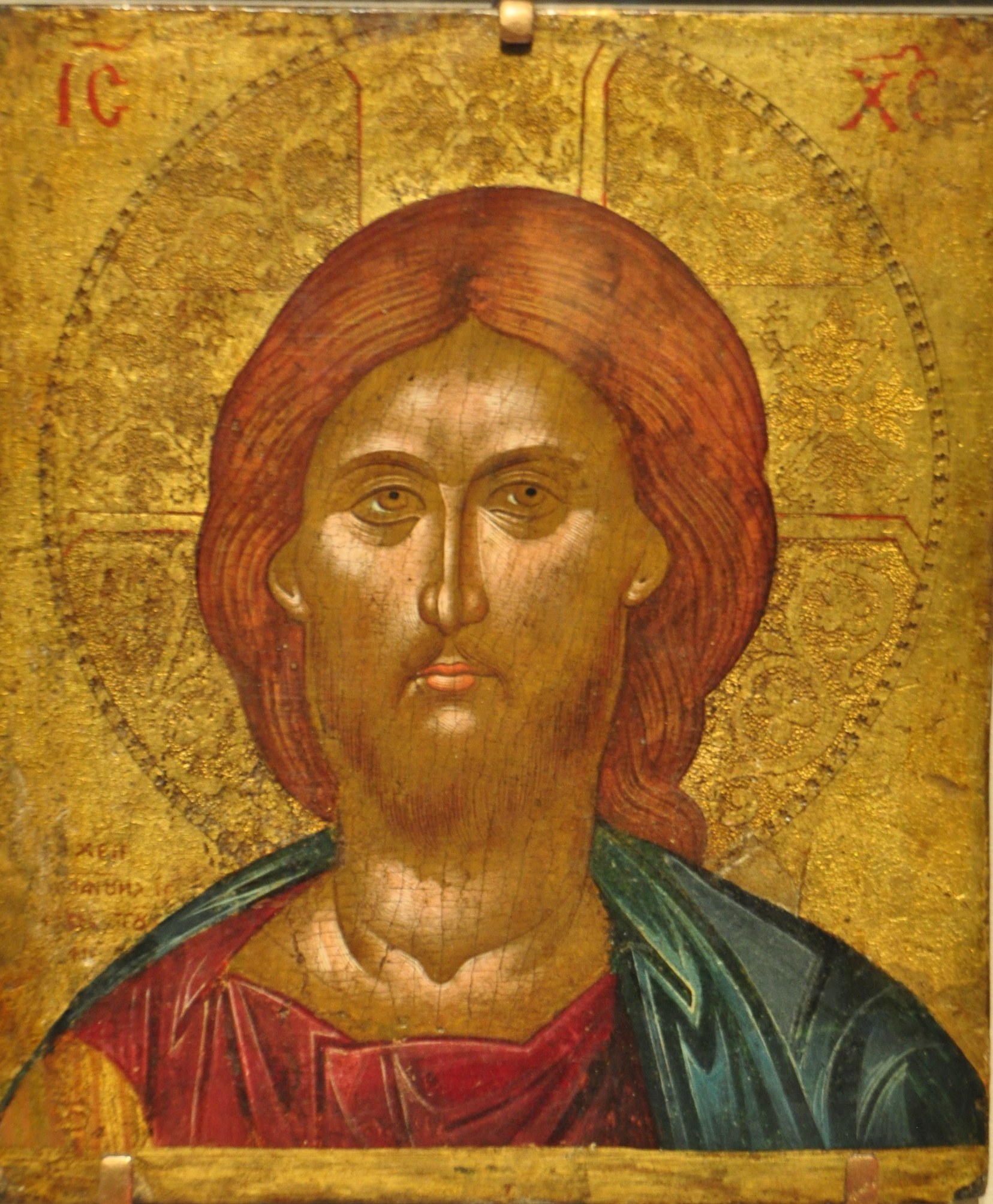
Emmanuel Tzanes, a Greek clergyman and artist living in Venice, painted Head of Christ in 1663. This tempera work in The Metropolitan Museum of Art bridges two artistic worlds: the strict traditions of Byzantine iconography and the emerging styles of Renaissance Venice.
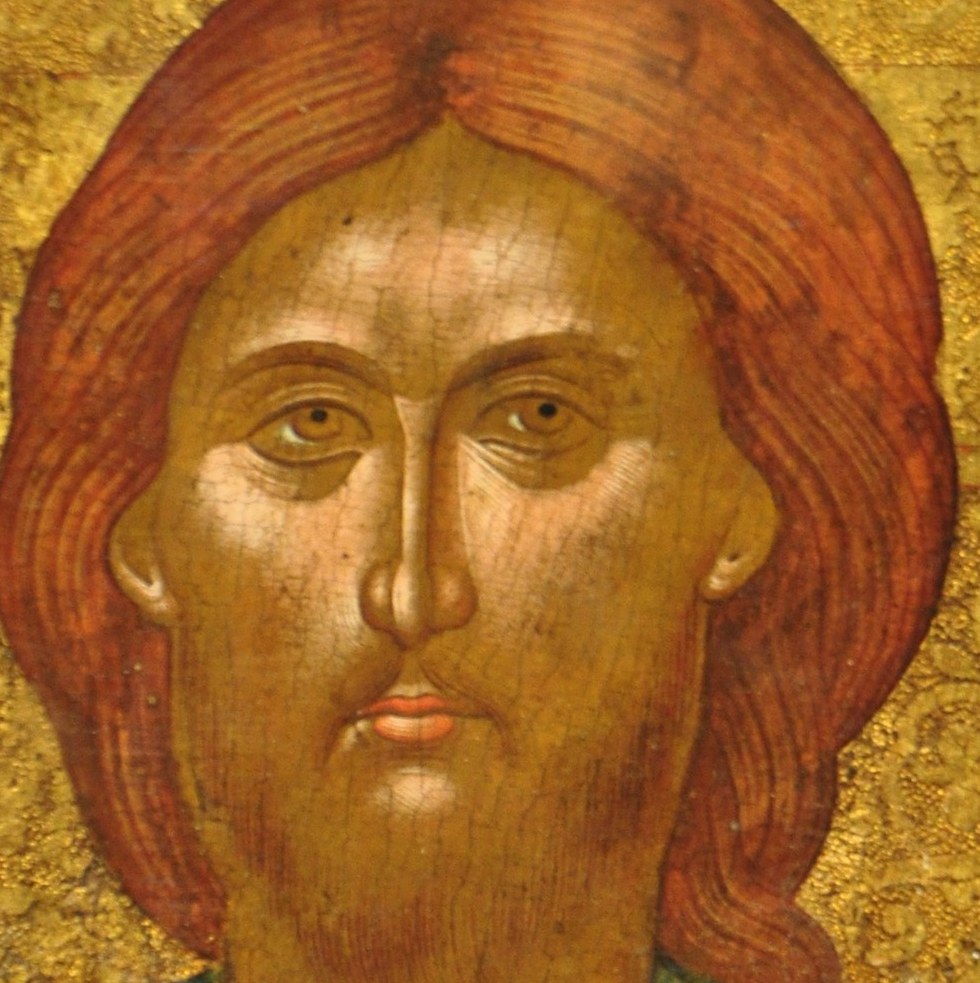
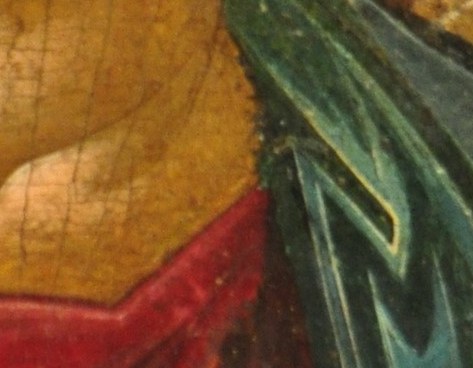
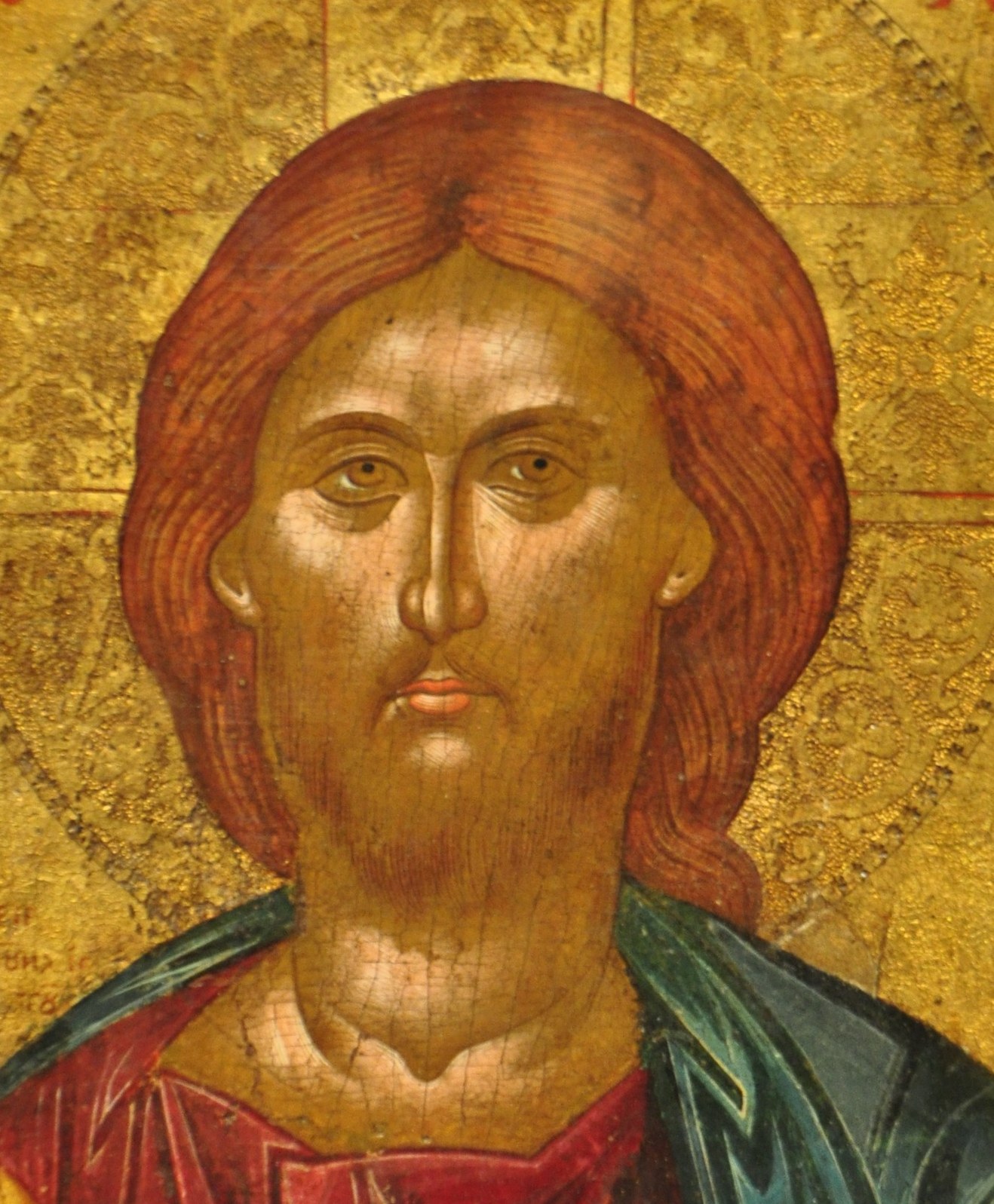
Look closely at the painting's surface. The delicate craquelure tells of its age and the tempera medium, known for its matte finish. Christ's direct gaze, rendered with a subtle blending of forms, creates an intimate connection with the viewer.
Tzanes was a prolific iconographer, yet his time in Venice exposed him to new techniques, which he subtly integrated into his religious works. This piece exemplifies his unique synthesis of Eastern and Western artistic practices.
What do you see in Christ's expression? Does it evoke a sense of timelessness or a specific historical moment?
Details
Transcript
This face was painted in 1663, by a Greek priest. Emmanuel Tzanes lived and worked in Venice. He blended traditional Byzantine icons with Venetian styles. The flat tempera surface carries centuries of devotion. His eyes meet ours, a bridge from East to West. The simple gaze holds both solemnity and quiet strength.