Virgin and Child by Albrecht Dürer (German, 1471–1528)
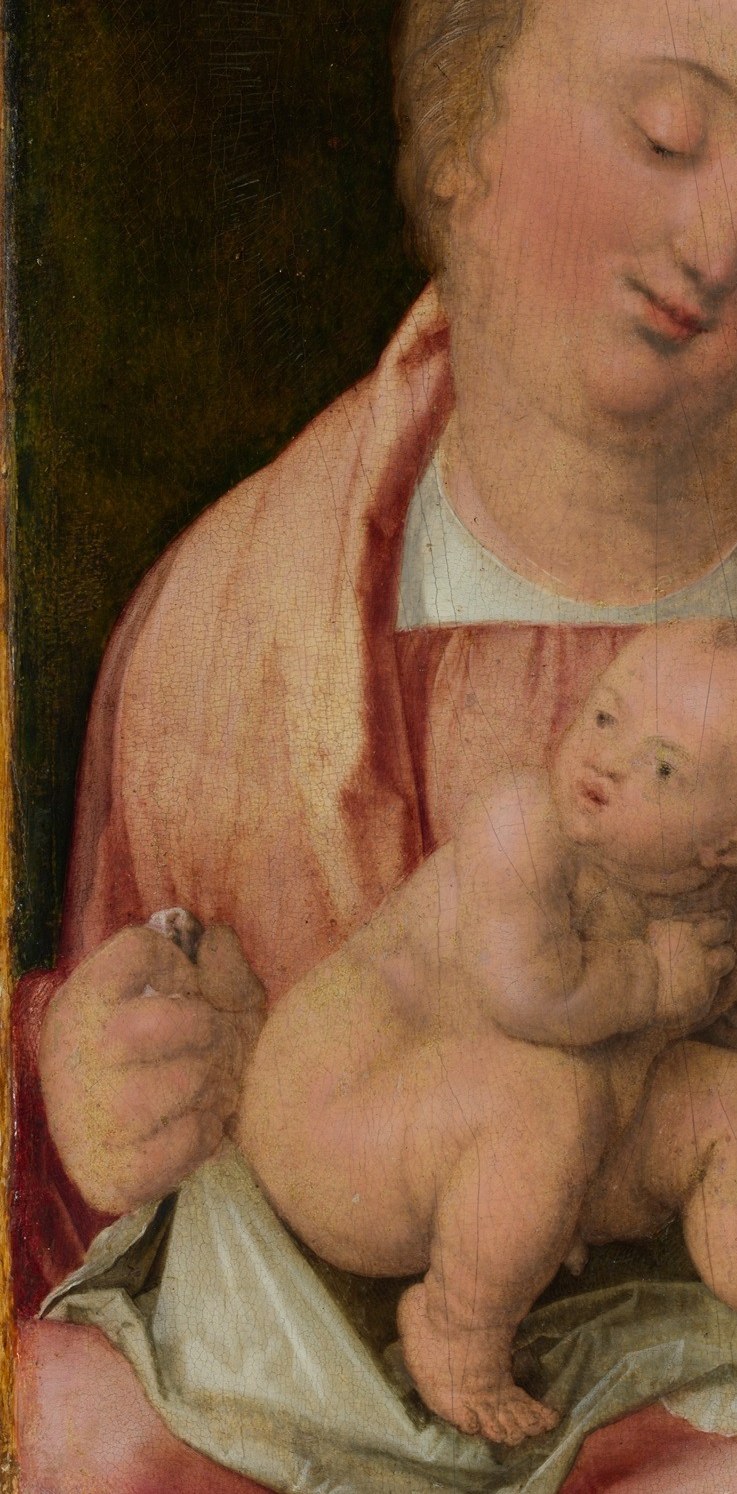
This is Albrecht Dürer's 'Virgin and Child', painted in 1516 and held quietly at The Metropolitan Museum of Art. Dürer was the most famous artist in Europe when he made this, yet it's one of his least discussed paintings, a genuine sleeper in the collection.
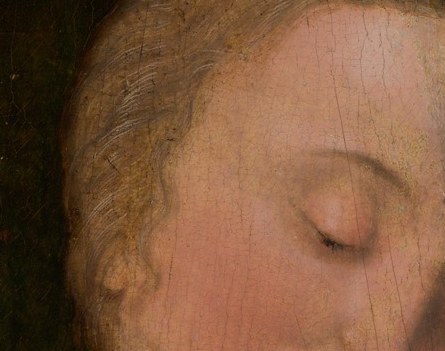
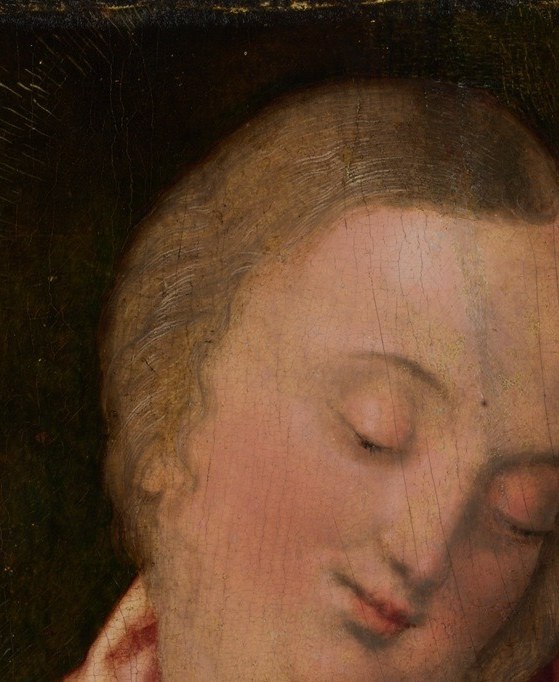
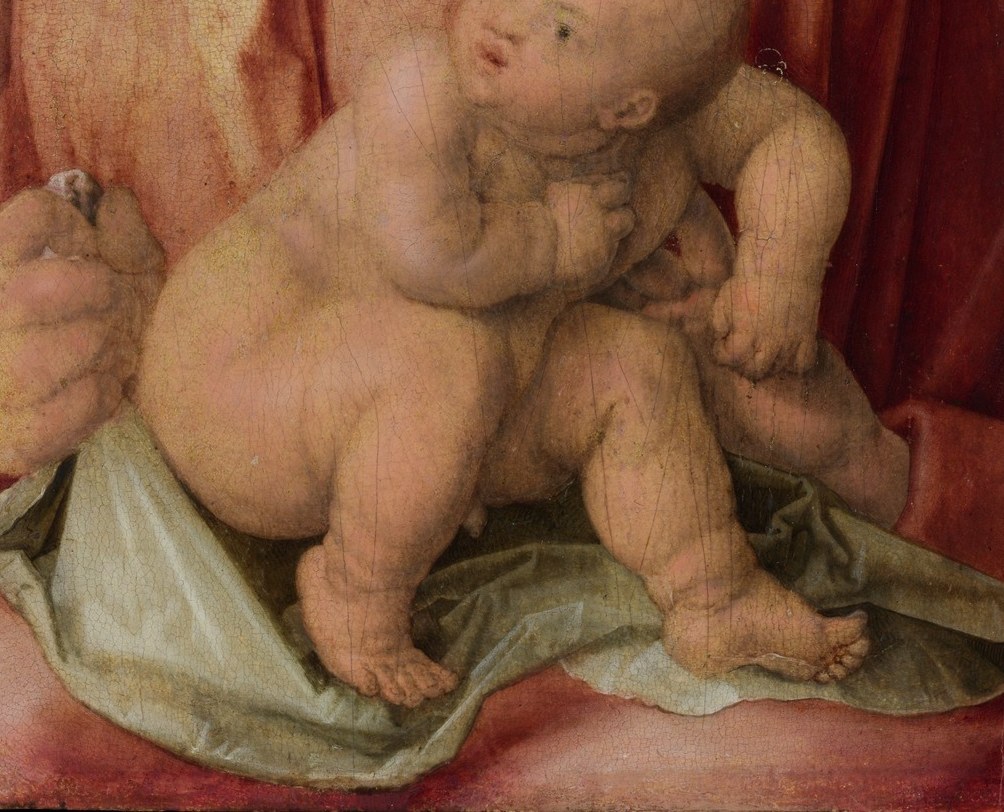
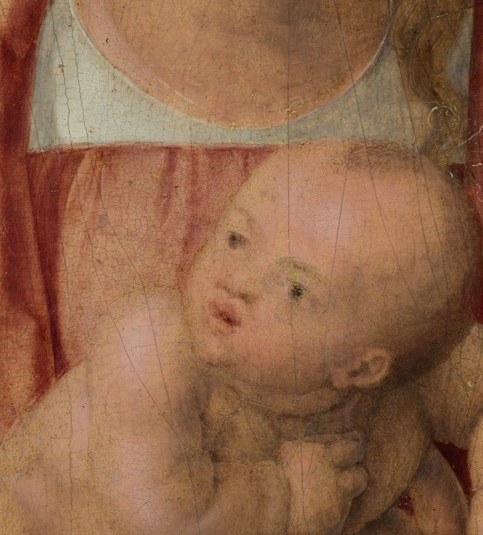
Look at the white linen rumpled beneath the Christ Child. It's not a random bedsheet. In Northern Renaissance devotional painting, that cloth prefigures the burial shroud, a theological warning embedded in a domestic detail. Then notice Mary's hands: they cradle the child from below, not clutching but bearing weight, like an offering. The infant stares directly out at you while Mary looks only at him, creating a triangle that pulls the viewer into the scene.
Dürer's oil paintings almost never appear at auction. His panel paintings are so rare that when one surfaces, the bidding is seismic, his work has set records when it escapes institutional hands. This one entered the Met the old-fashioned way: a donor recognized what it was and gave it. No auction battle, no headlines. Just a masterwork arriving without fanfare.
A painting this intimate, by an artist this towering, sitting in plain sight: it makes you wonder what else is hanging on a museum wall right now, waiting for someone to really look.
Details
Transcript
The Met owns a Dürer painting that nearly no one talks about. She looks down, holding the child with a tenderness that feels entirely human. He painted this in 1516, already Europe's most famous living artist. The white linen beneath the child is a burial shroud in waiting. Dürer's oil paintings rarely come to market. When they do, they break records. This one arrived quietly. A gift from a donor who saw what others missed.