Bache Madonna by Titian
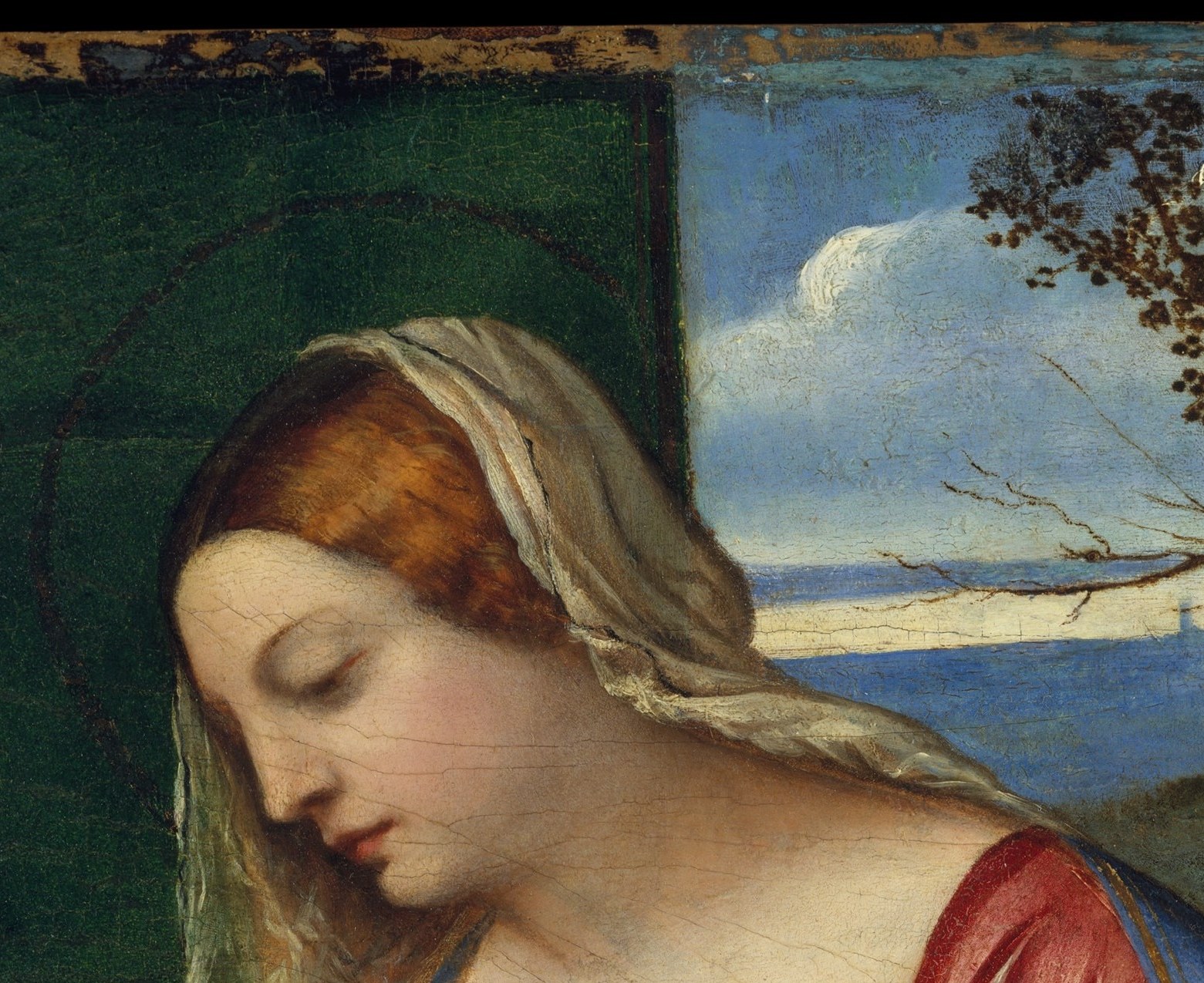
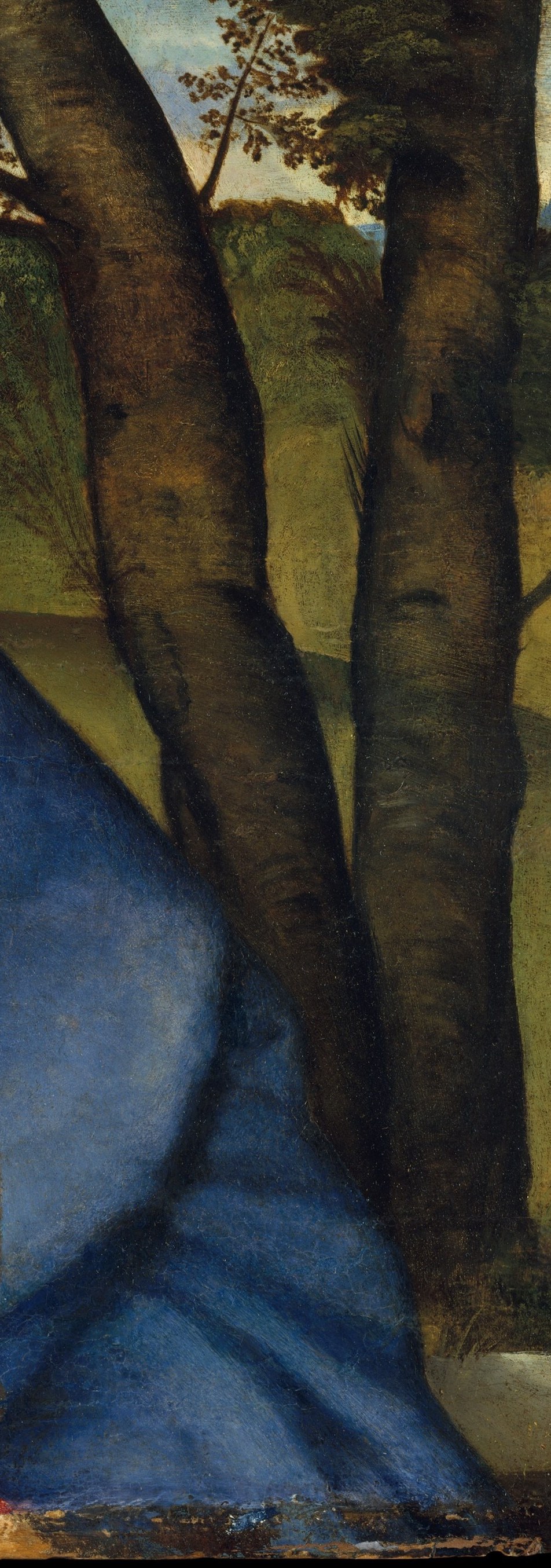
Titian's "The Bache Madonna," painted around 1508, offers a glimpse into the master's early development at The Met Fifth Avenue. While it appears as a tranquil depiction of the Virgin and Child, investigations reveal the artist's evolving technique and departure from tradition.
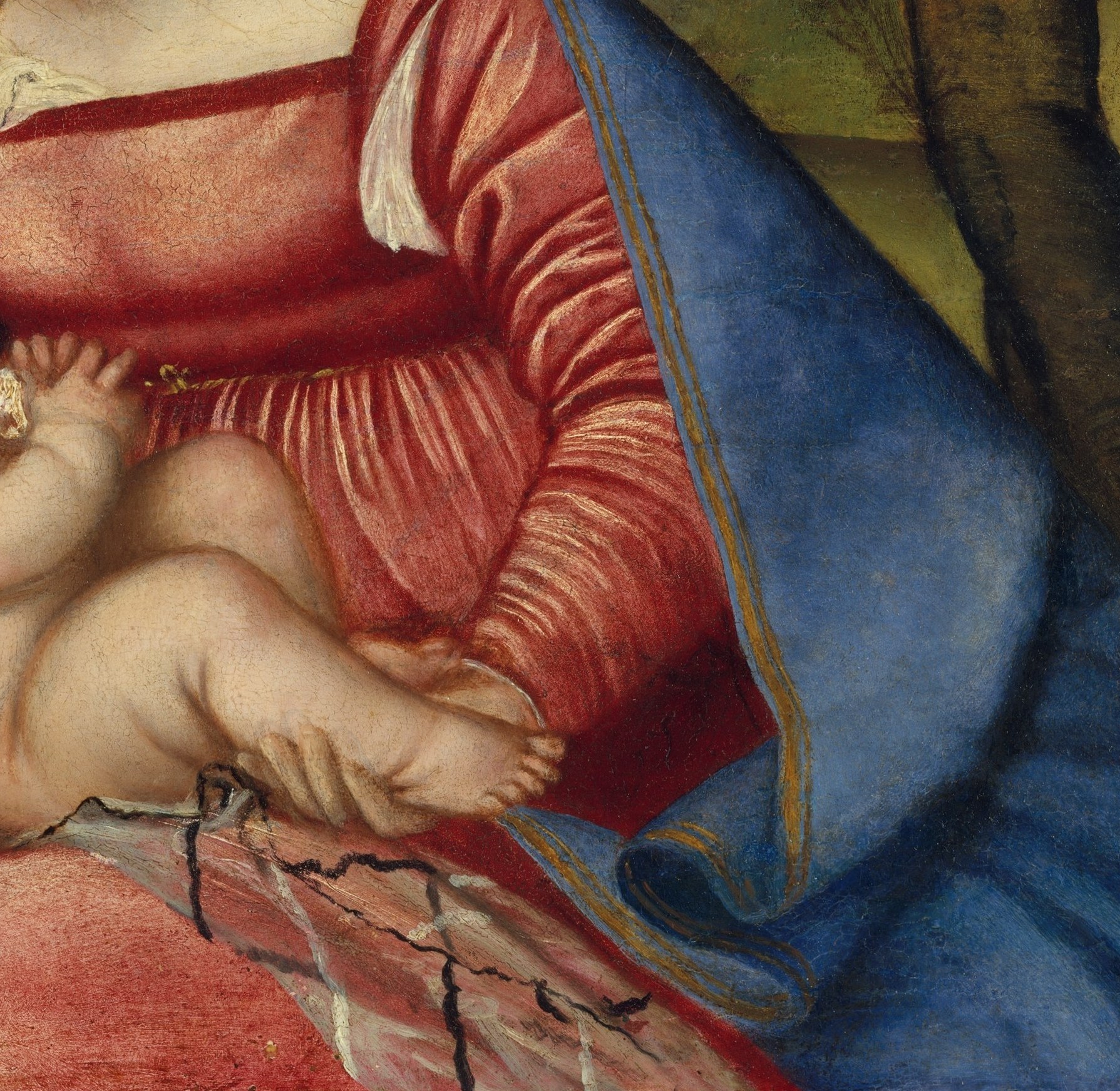
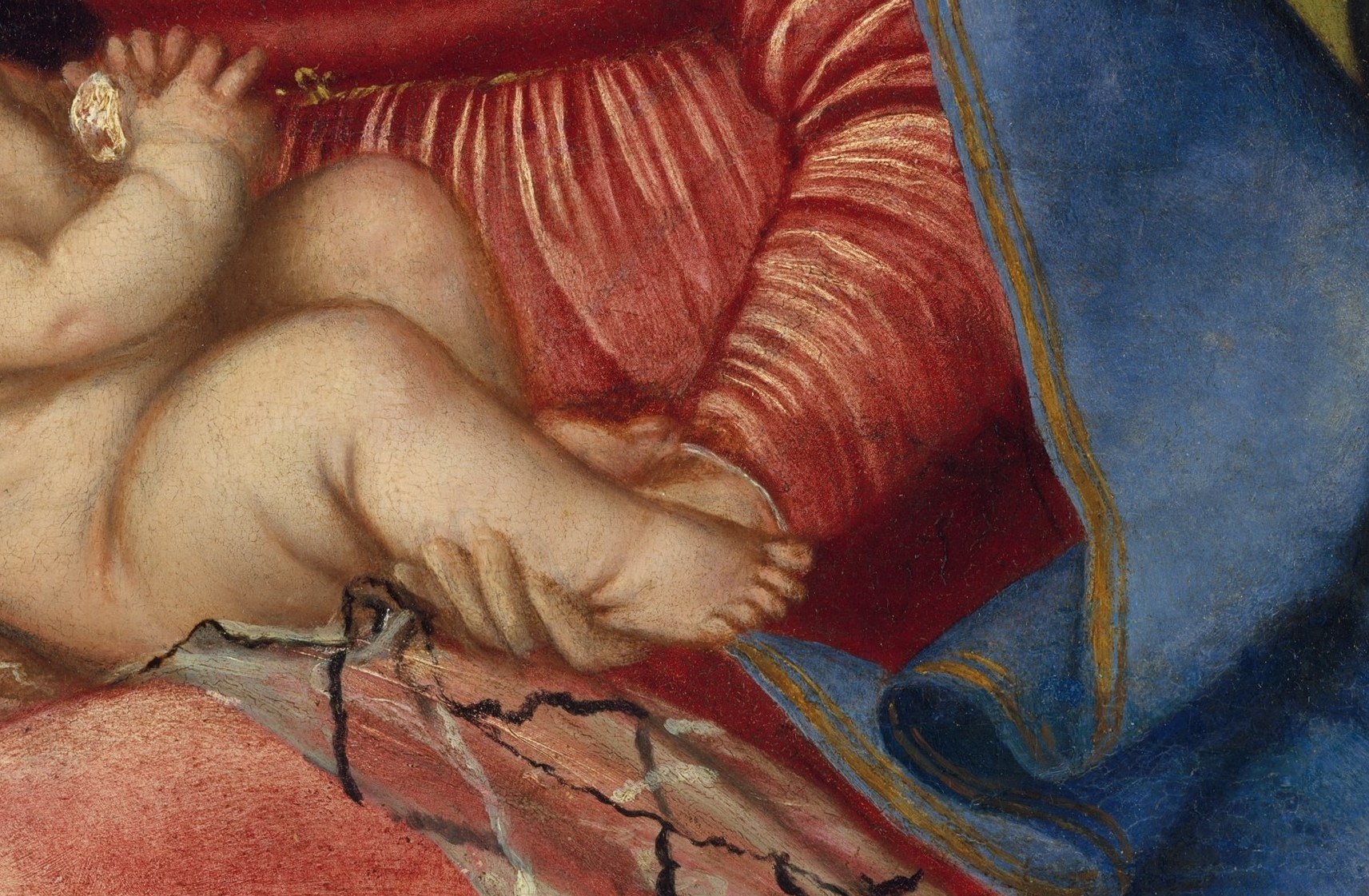
Look closely at the tender way Mary cradles the infant Christ. X-rays show that Titian initially posed the figures in a more formal, upright manner, typical of his predecessors like Giovanni Bellini. However, he ultimately chose a more intimate and natural composition, emphasizing the human connection between mother and son.
This painting was created during Titian's formative years, when he was heavily influenced by Giorgione, a fellow Venetian painter. His shift towards a softer, more emotional rendering here foreshadows the innovative use of color and light that would define his later, more famous works.
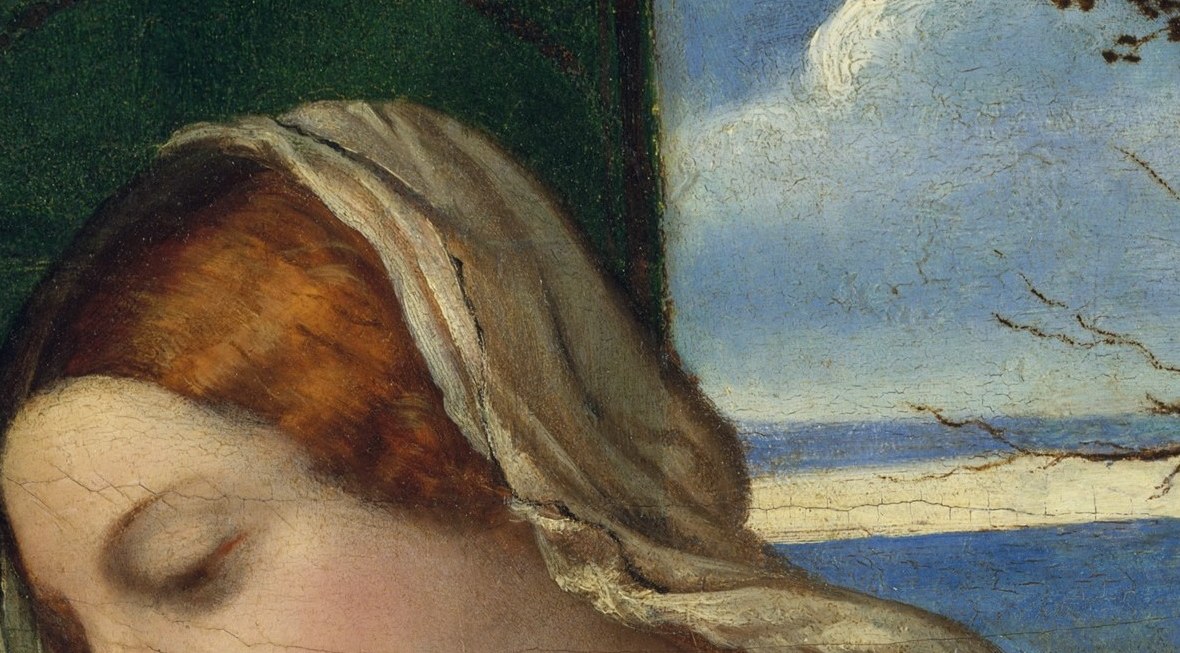
"The Bache Madonna" is a subtle but significant piece, showing how even early works contain clues to an artist's future greatness. What do you notice about their expressions?
Details
Transcript
This early painting by Titian looks serene. But beneath the surface, it shows how his style evolved. X-rays reveal the figures were first posed more stiffly. Like earlier Venetian masters, such as Giovanni Bellini. He chose a more tender, informal embrace instead. This intimate bond became a hallmark of his career.