Seascape by Jan van de Cappelle
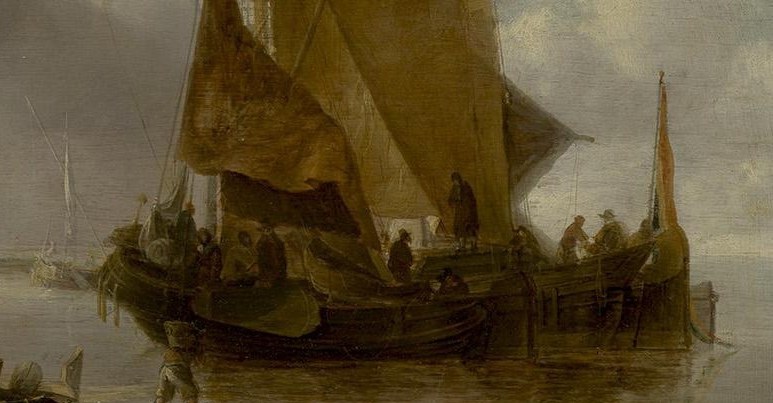
Jan van de Cappelle, a prominent Dutch Golden Age artist, balanced his acclaimed painting career with running his family's successful dyeworks. "Seascape," painted around 1661 and held at the State Hermitage Museum, perfectly showcases his unique talent for capturing serene maritime scenes.
Van de Cappelle was particularly known for his ability to render calm waters that mirrored the dramatic cloud formations above, creating a sense of atmospheric depth. Look at how the light breaks through the clouds and reflects on the water's surface.
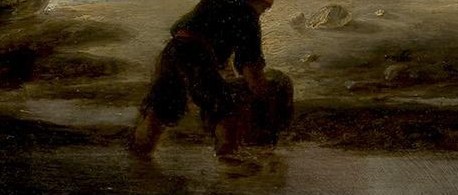
Remarkably, despite his renown, only about 150 of his paintings survive. This limited output is likely due to his commitments to the dyeworks, which specialized in expensive carmine dyes. Hidden in the lower left corner, a faint inscription marks the artist's hand, a detail often missed but integral to the painting's story.
This blend of artistry and industry offers a fascinating glimpse into the life of a 17th-century master. What other hidden details do you think might be in his other works?
Details

Transcript
A calm scene, captured by a Dutch master of seascapes. This artist, Jan van de Cappelle, ran a dye works business. His specialty was reflecting cloudy skies in still water. Yet he only made about 150 paintings in his life. Look closely, at the painting's bottom left corner. Can you see the artist's faint inscription?