The Tower of Babel by Pieter Brueghel the Elder
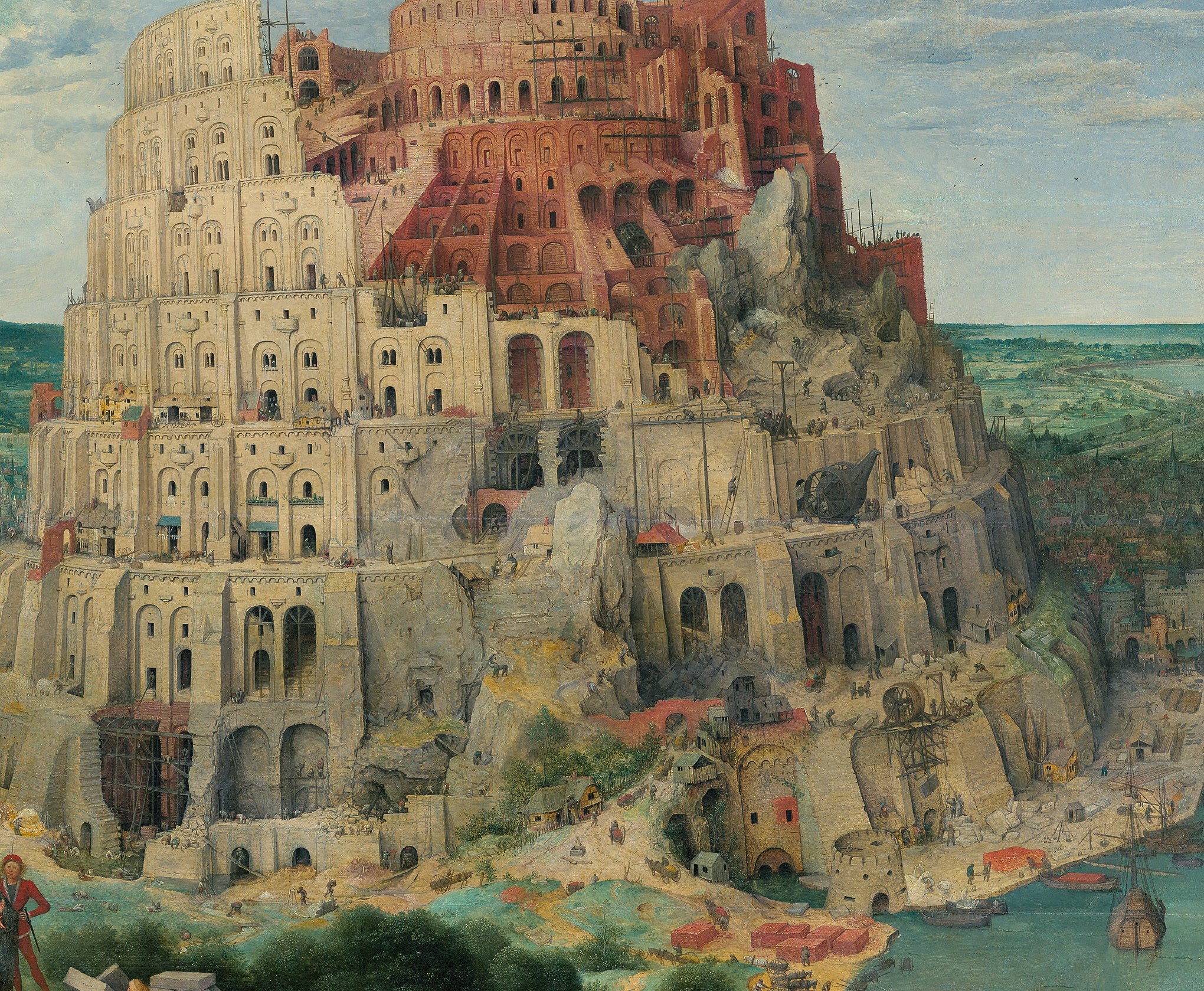
Pieter Bruegel the Elder's 'The Tower of Babel,' painted in 1563 and housed in the Kunsthistorisches Museum in Vienna, is a powerful visual sermon on human hubris. It depicts the biblical story of a tower built to reach heaven, a project that famously ended in confusion and collapse.
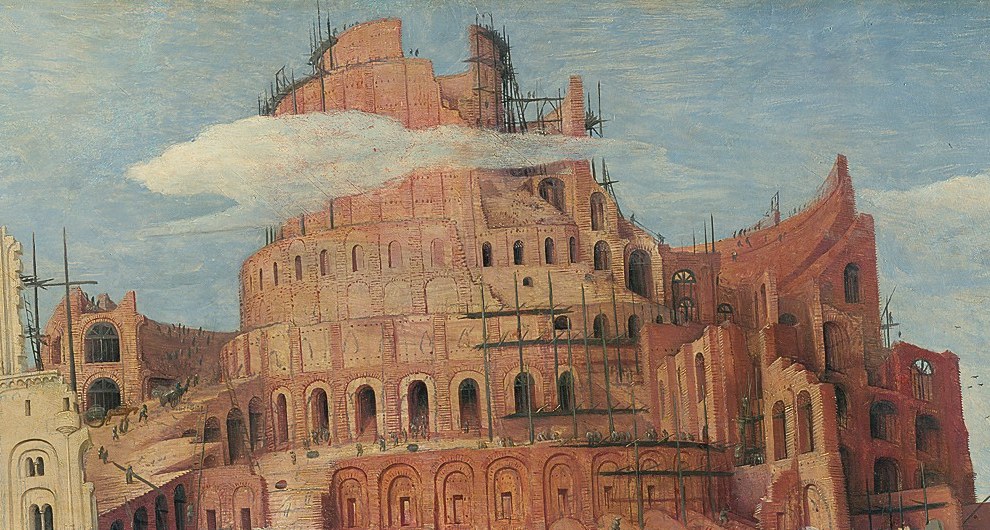
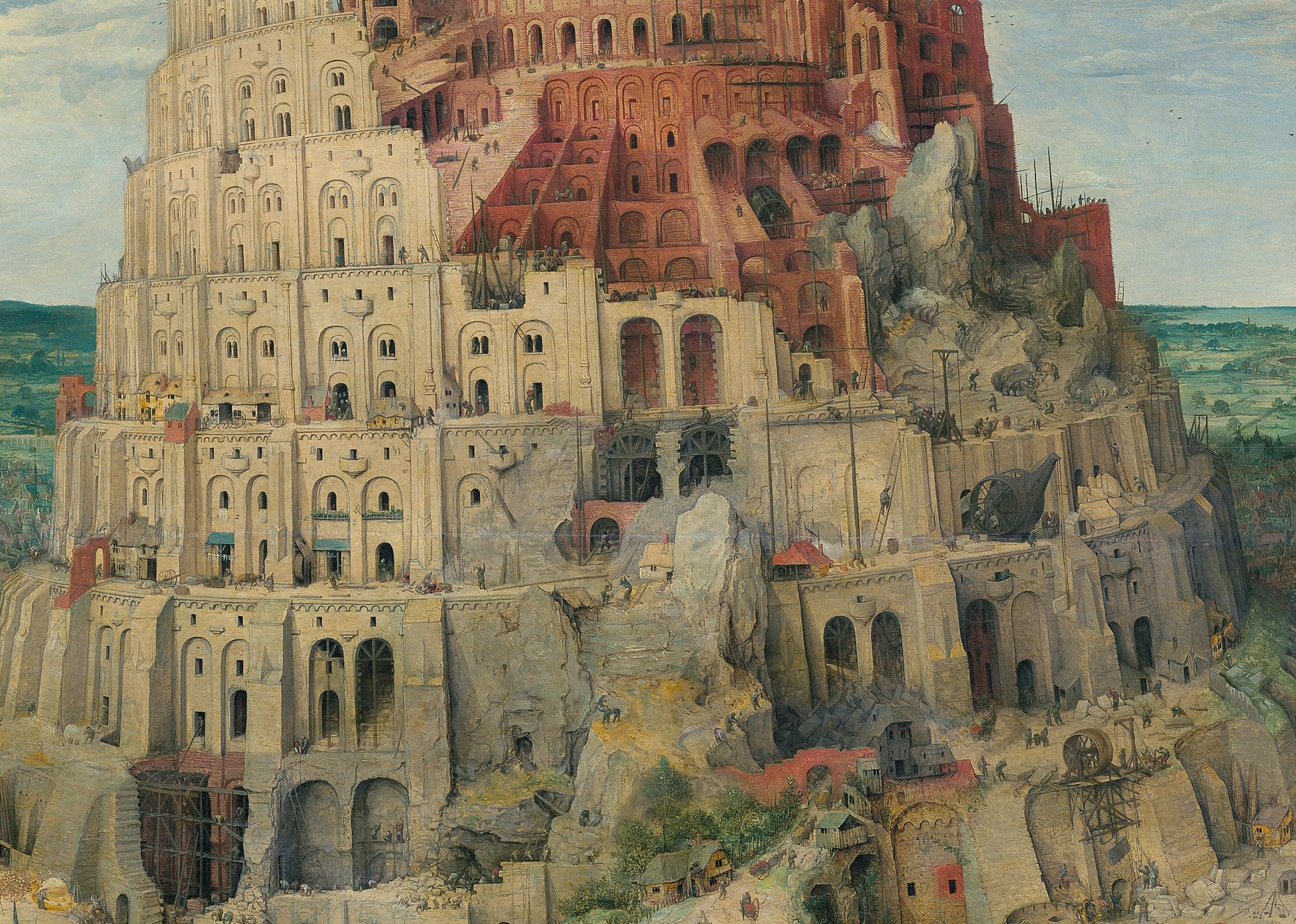
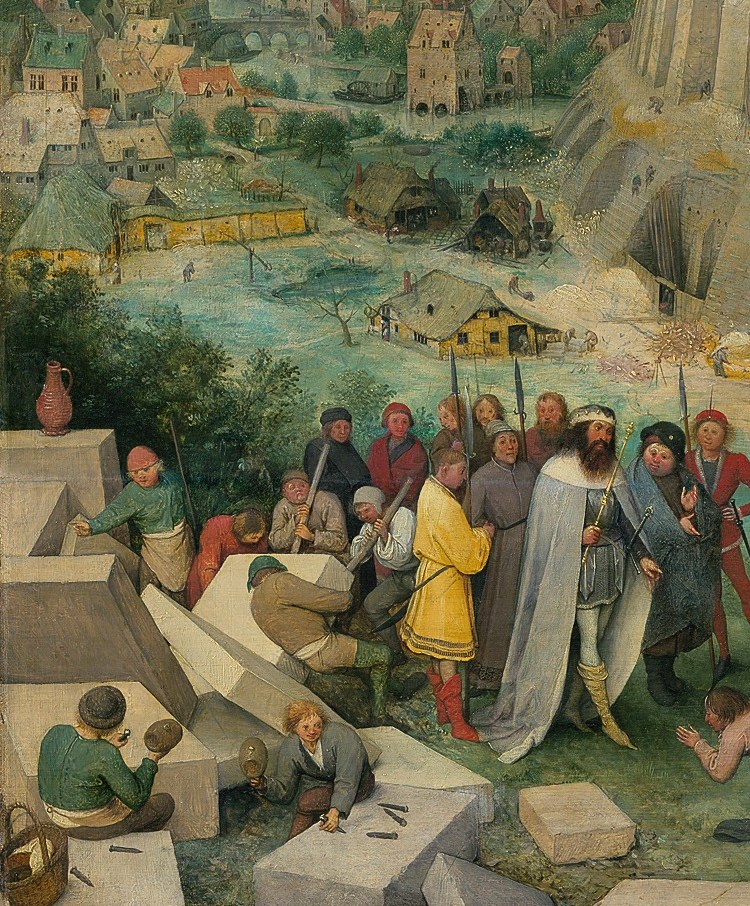
Bruegel's rendition is famous for its intricate detail and monumental scale. Notice the incredible density of tiny figures toiling on every level, and the already-inhabited lower stories that suggest the tower is a city unto itself.
Bruegel's inspiration for the tower's architecture came from his travels to Rome, where he would have seen the Colosseum. He infused this ancient Roman grandeur with contemporary Flemish building methods, making the biblical tale feel strikingly current for his 16th-century audience.
This painting captures not just a story, but a timeless warning about ambition that overreaches.
Details
Transcript
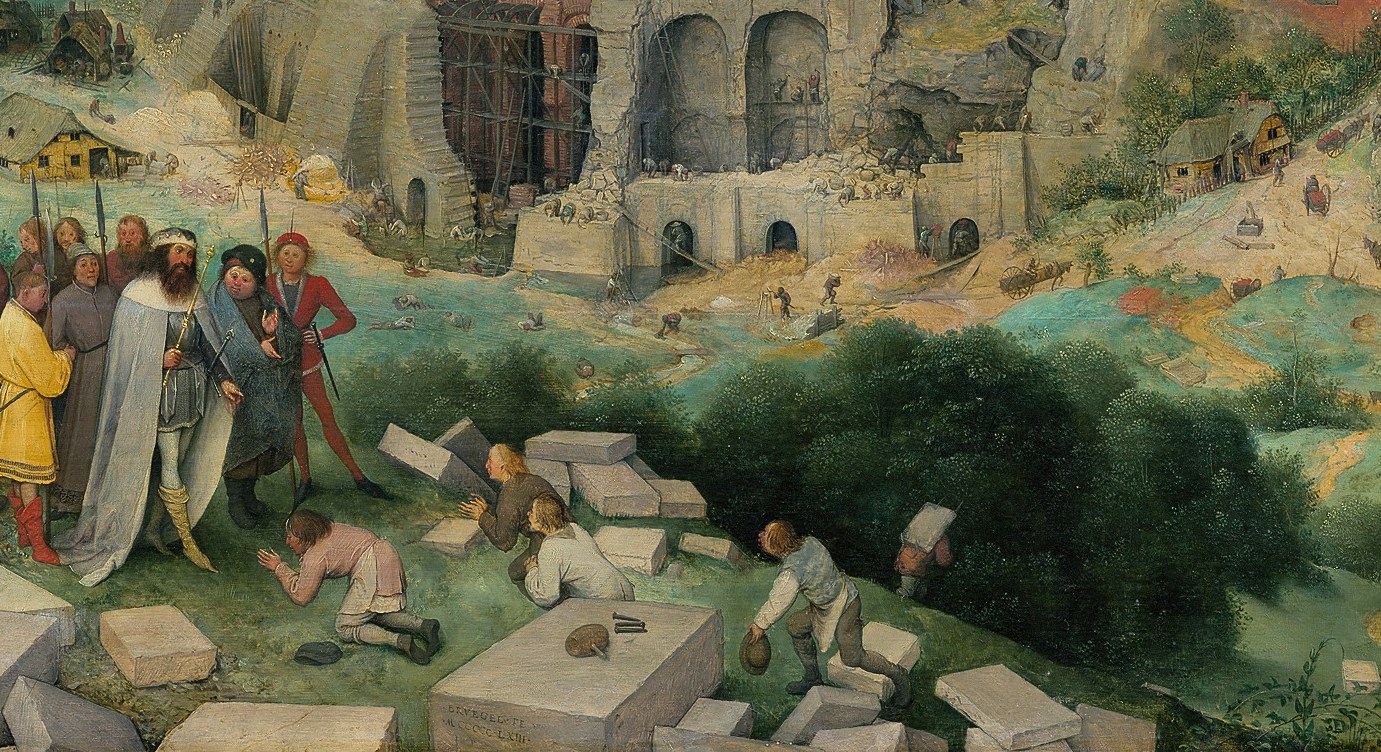
This tower touches the clouds, yet it remains unfinished. Pieter Bruegel painted this vision of ambition in 1563. He was inspired by the Roman Colosseum, which he saw firsthand. Look closely at the base, it's already a city within a city. See the tiny workers, toiling everywhere across its vastness? The King, Nimrod, watches his monumental folly from below.