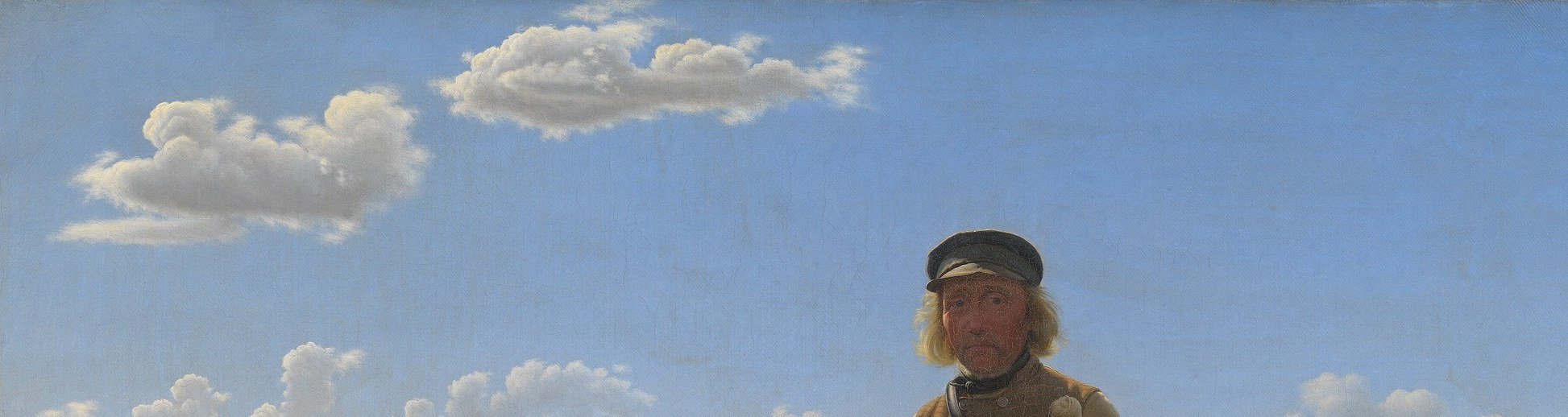
A Jutland Sheperd on the Moors by Frederik Vermehren
Frederik Vermehren’s 'A Jutland Shepherd on the Moors' (1855) is a masterwork of Danish national romanticism, but it’s also a political argument painted in oil. After the Napoleonic Wars, Denmark was bankrupt and had lost Norway. The country's intellectual and artistic class did something deliberate: they went looking for the soul of the nation not in grand cities, but in the heathlands of Jutland. The peasant and the shepherd became symbols of a pure, ancient Denmark worth rebuilding.
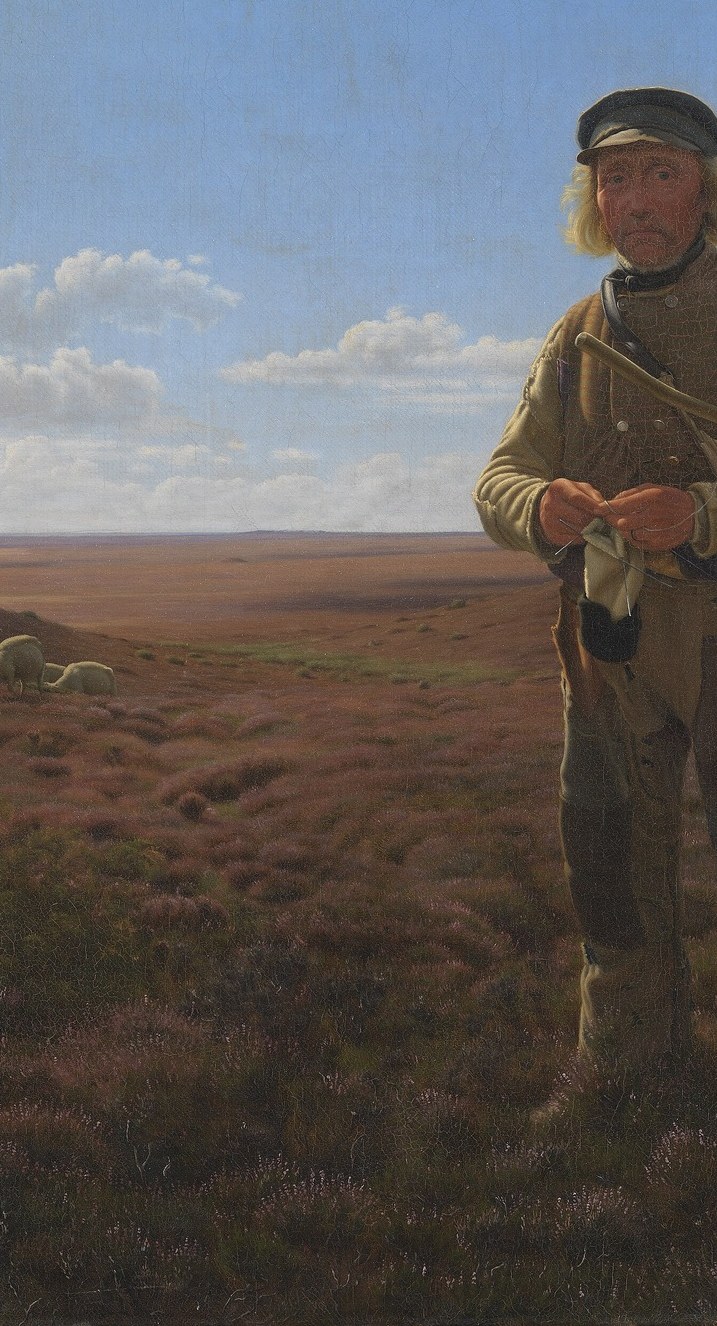
Look first at his hands. Most viewers read the tall vertical line as a walking staff. It is not. He is holding knitting needles. The shepherd is making something, probably a sock or a sweater, while standing watch over his flock. It is the defining gesture of the painting, and it reorients the figure entirely. He is not a weary wanderer. He is a man of patient, productive solitude.
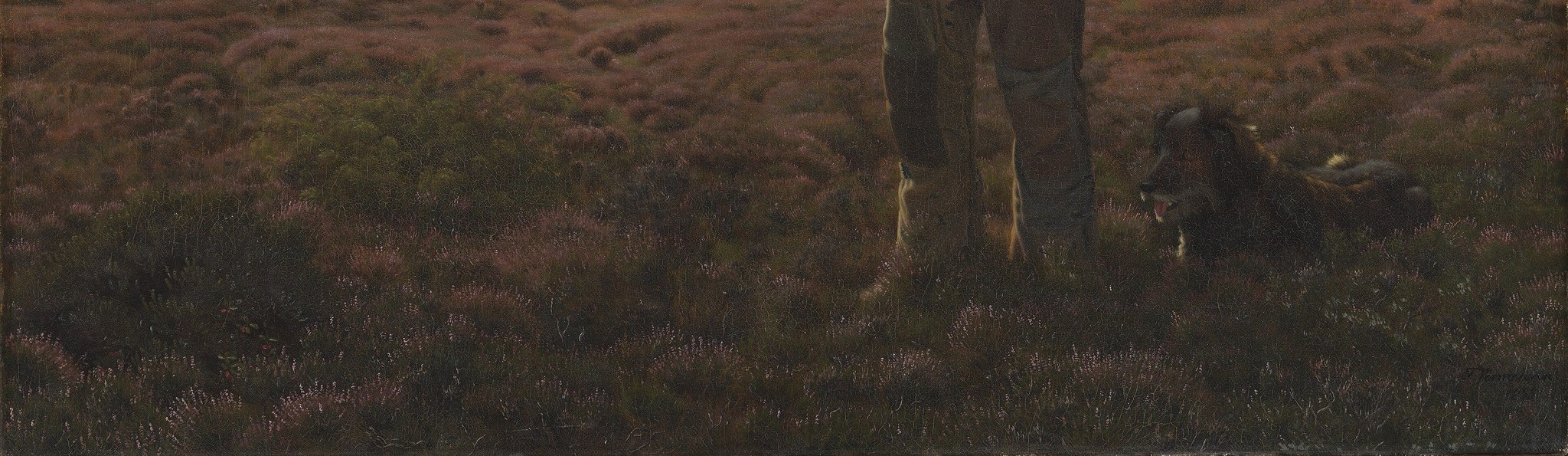
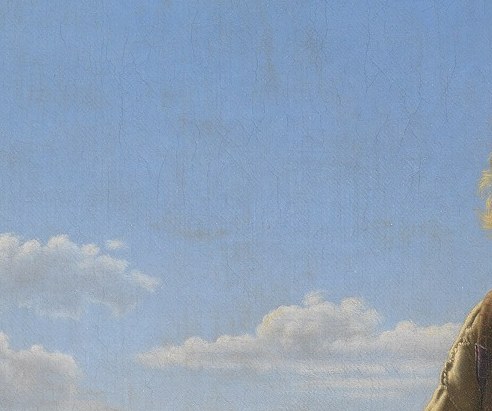
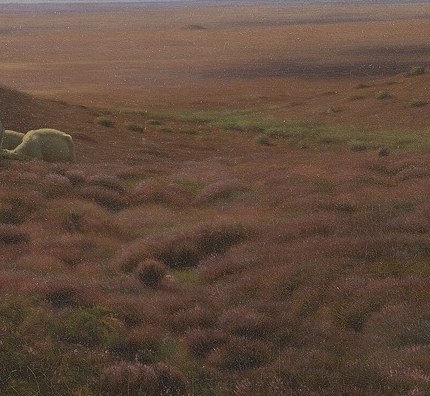
Vermehren painted this in 1855, at the height of the Golden Age of Danish Painting. Along with Christen Dalsgaard and Julius Exner, he built a genre of ordinary country people given heroic framing. The shepherd stands against an immense Jutland sky, his weathered face half in shadow, the flat moor stretching into nothing behind him. It is a portrait of quiet self-sufficiency, the opposite of grand spectacle.
This image was immensely popular in its own time, then fell out of favor as sentimental nationalism. Today it hangs as both a beautiful piece of realist painting and a document of a moment when a society decided who it was by deciding whose faces were worth painting.
Details
Transcript
1855. Denmark is fighting for its identity. After losing Norway and suffering bankruptcy, the country turns inward. Painters fan out to Jutland, looking for the 'real' Dane. Vermehren finds him here. No grand hero. A working shepherd. Look at his face. And now his hands. He is not leaning on a staff. He is knitting. A man of the land, constant and gentle, making something as he watches the flock.