Virgin and Child by Neri di Bicci
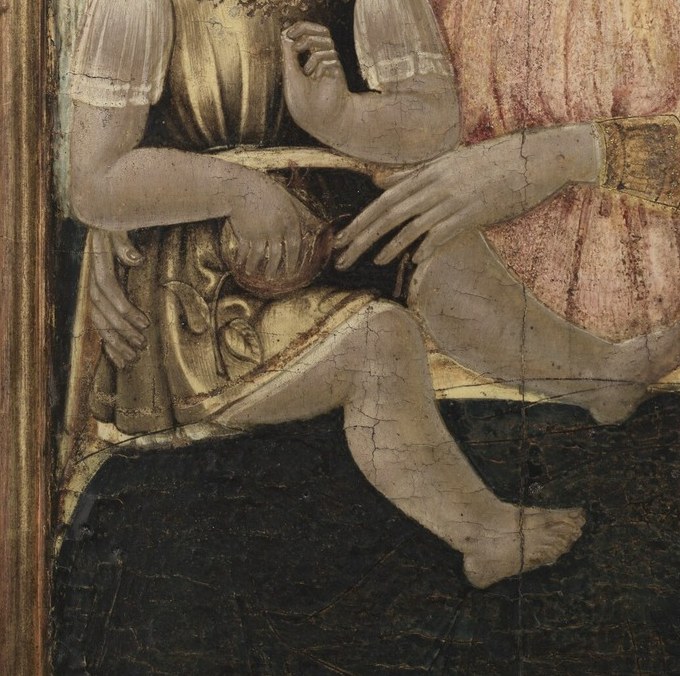
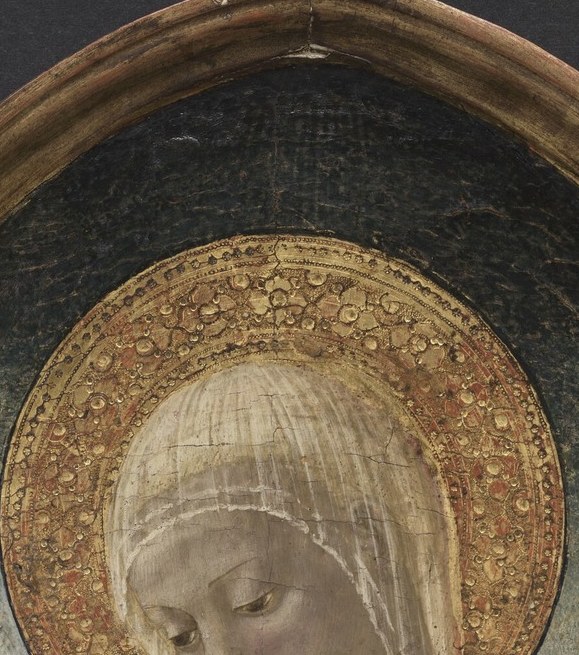
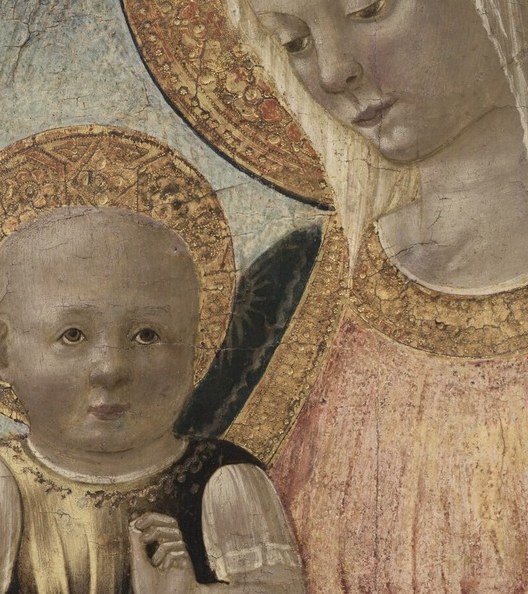
Neri di Bicci's "Virgin and Child" (c. 1460) from the Florentine Renaissance draws the viewer into an intimate, silent exchange. The Virgin Mary, rendered with a serene, downcast gaze, tenderly cradles the Christ Child, whose eyes meet ours directly.
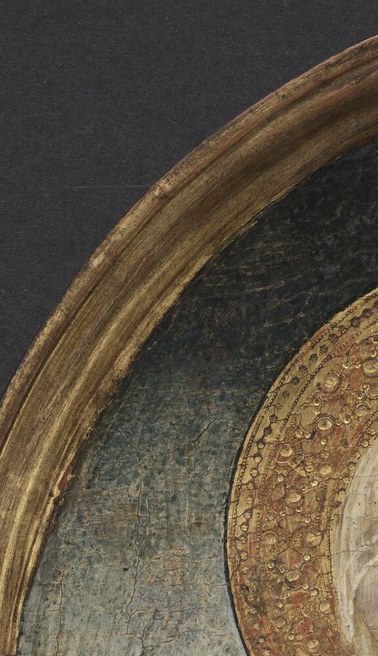
Notice Mary's protective hands and the child's small, raised hand, offering a blessing. The simple blue background focuses all attention on this sacred connection, a characteristic of devotional art meant to draw the worshipper into the scene.
Neri di Bicci, a prolific Florentine painter, meticulously documented his commissions in journals called "Ricordanze" from 1453 to 1475. He was part of a remarkable lineage, having studied under his father, who in turn studied under his own father, creating a generations-long artistic legacy.
This painting is a quiet moment of profound connection, inviting contemplation across centuries.
Details
Transcript
A mother and child, painted in Florence, 1460. The Virgin Mary cradles her child, a tender, protective hold. Her gaze is serenely downcast, anticipating his future. The Christ Child looks outward, making eye contact with us. His tiny, upraised hand offers a silent blessing. This painter, Neri di Bicci, recorded every commission. He built a family tradition, passing craft to son and grandson.