General Étienne-Maurice Gérard (1773–1852), Marshal of France by Jacques Louis David
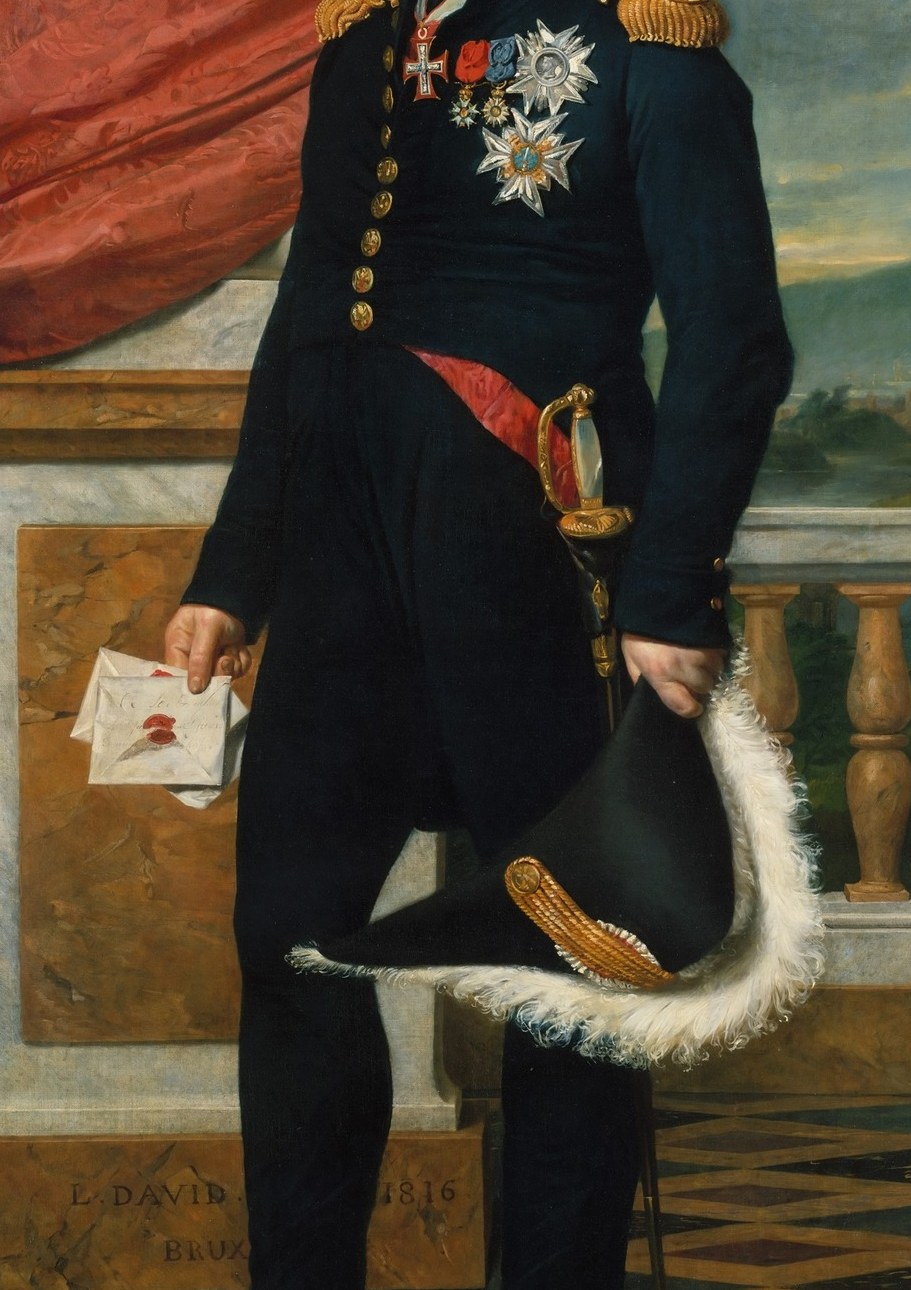
This is a portrait of defiance painted in defeat. Jacques-Louis David's 1816 portrait of General Étienne-Maurice Gérard, now at the Metropolitan Museum of Art, shows a Napoleonic general in full uniform at the exact moment such a display was politically dangerous.
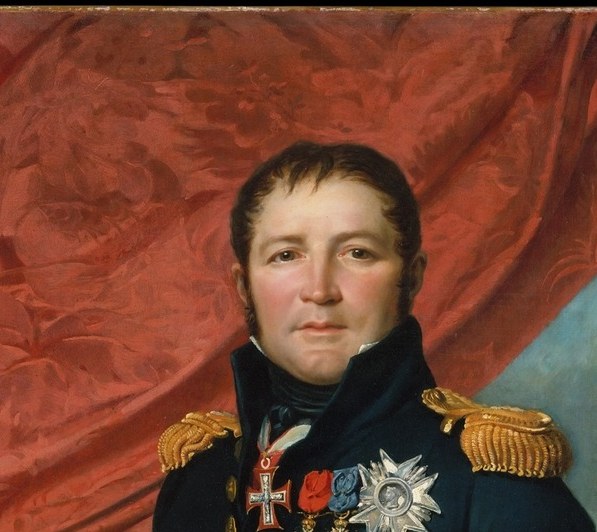
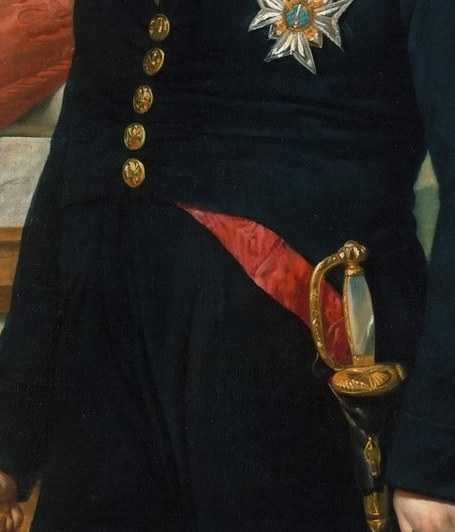
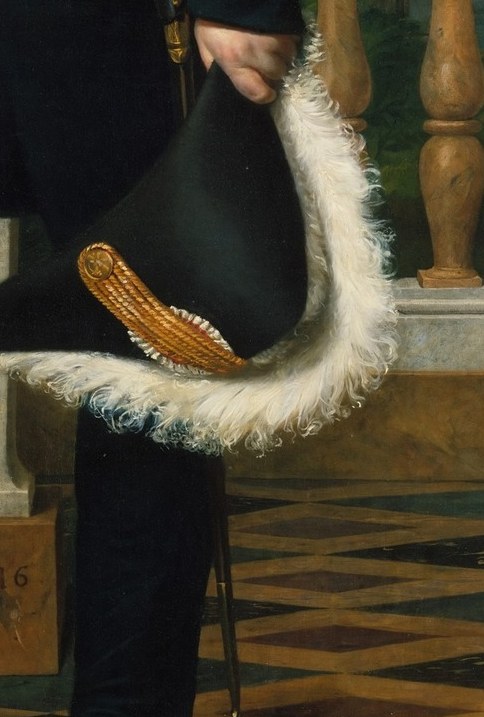
Look at the Legion of Honour star on his chest and the heavy gold epaulettes on his shoulders. The dark-blue coat is the uniform of the French Empire, worn without apology. David painted every military detail with precision, knowing full well that both he and Gérard were in Brussels because the restored Bourbon monarchy had banished them.
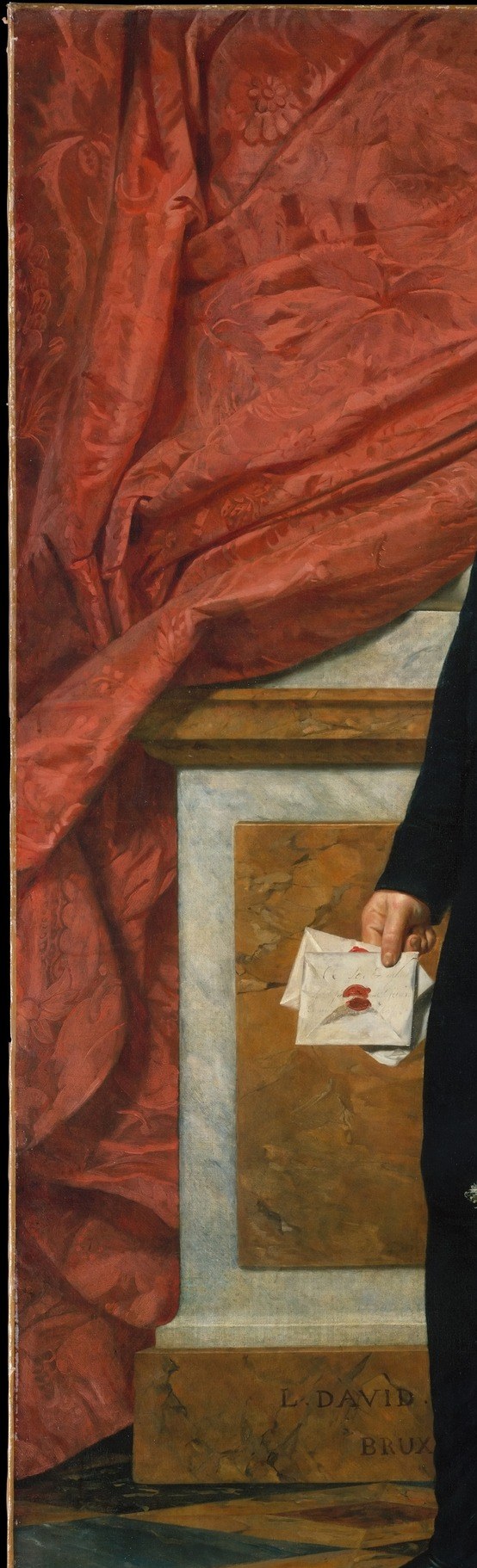
Jacques-Louis David was Napoleon's greatest painter, the man who gave us the image of the emperor crowning Josephine. After Waterloo, he followed other Bonapartists into exile in Belgium. Gérard, a distinguished general, did the same. This portrait, likely commissioned to mark Gérard's marriage that year, became something else: a record of loyalty held fast in a hostile moment.
Gérard's story didn't end in exile. A year later he was back in France, rising to Marshal, commanding the siege of Antwerp in 1832, and eventually serving as Prime Minister. But David never saw it, he died in Brussels in 1825, still painting, still in exile.
Details
Transcript
Brussels, 1816. Napoleon has just been defeated. The painter and the general have both fled France. Look at what he wears on his chest. The Legion of Honour. Napoleon's highest order. In exile, this portrait was a silent act of defiance. He returned to France and became Prime Minister.