Christ in Glory with Saints by Mattia Preti
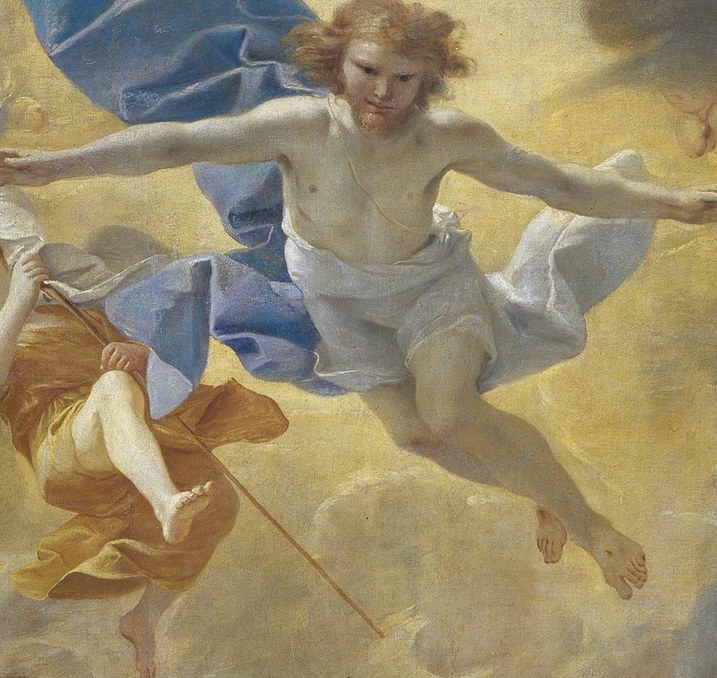
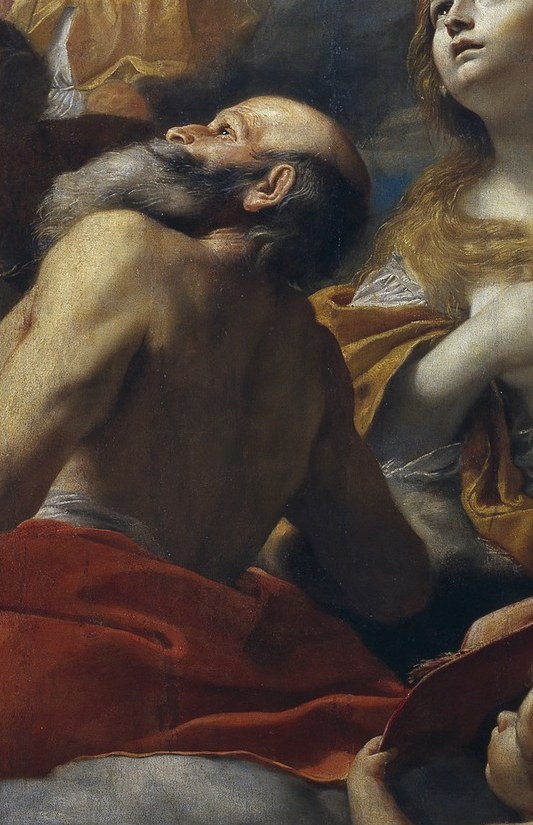
Mattia Preti's 1660 oil painting, "Christ in Glory with Saints," housed at the Museo del Prado, is a brilliant example of Baroque chiaroscuro. The artist masterfully uses dramatic contrasts between light and shadow to create an illusion of divine radiance, making Christ appear to glow from within.
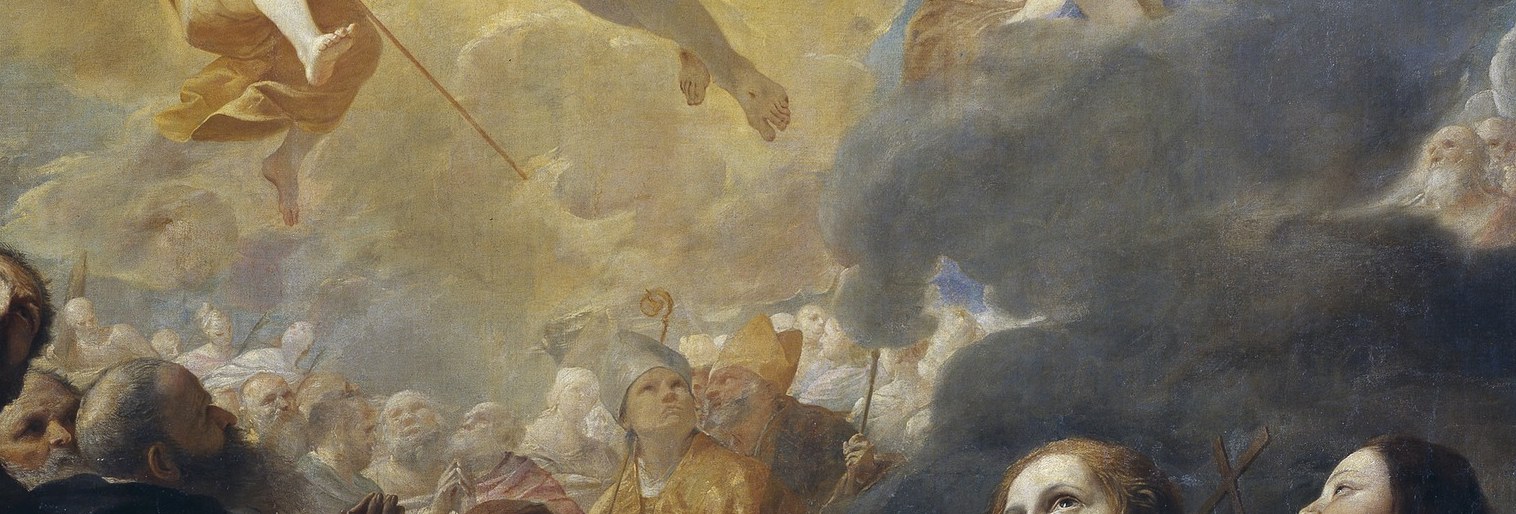
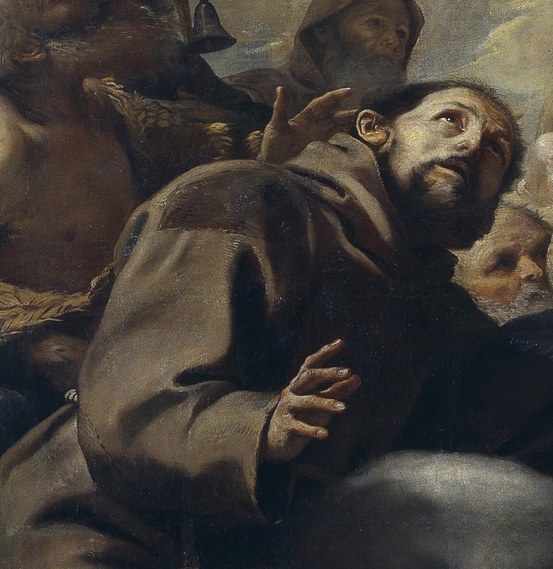
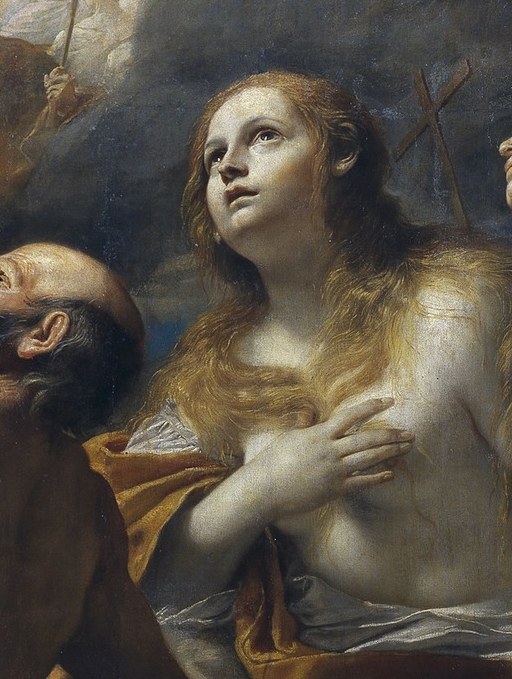
Look closely at how light spills across the swirling cloud formations and illuminates the faces and drapery of the saints. This technique not only emphasizes Christ's central role but also gives the figures a profound sculptural depth and emotional intensity.
Preti, influenced by Caravaggio's tenebrism, created this work during the Counter-Reformation, aiming to inspire devotion through vivid, theatrical imagery. His skill in rendering light was key to engaging viewers emotionally and spiritually, guiding their eyes to the sacred narrative.
How does this play of light and shadow draw your eye through the celestial scene?
Details
Transcript
This painter was a master of light. He creates an illusion of divine radiance. Notice how light spills onto these dramatic clouds. This effect, chiaroscuro, focuses all attention on Christ. He uses deep shadows to make bright areas glow. This technique gives the figures a sculptural depth.