Madame Edmond Cavé (Marie-Élisabeth Blavot, born 1810) by Jean Auguste Dominique Ingres
Jean-Auguste-Dominique Ingres painted this oil portrait of Marie-Élisabeth Blavot, known as Madame Edmond Cavé, in 1831. It hangs today in The Metropolitan Museum of Art. What makes it unusual is that Ingres did not paint it as a paid commission. He gave it as a gift, a personal object exchanged between two people who shared a creative life.
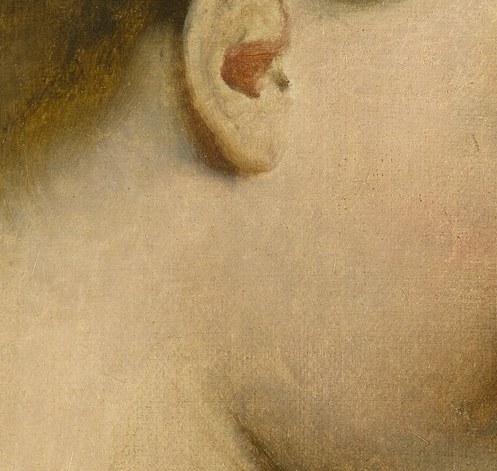
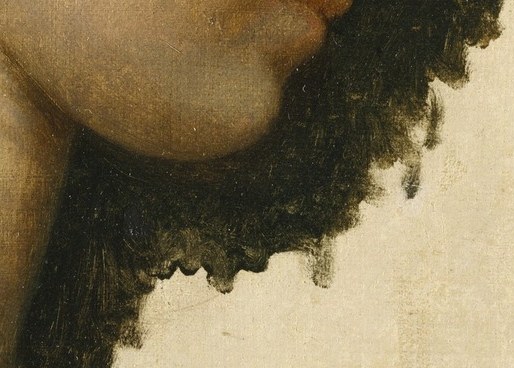
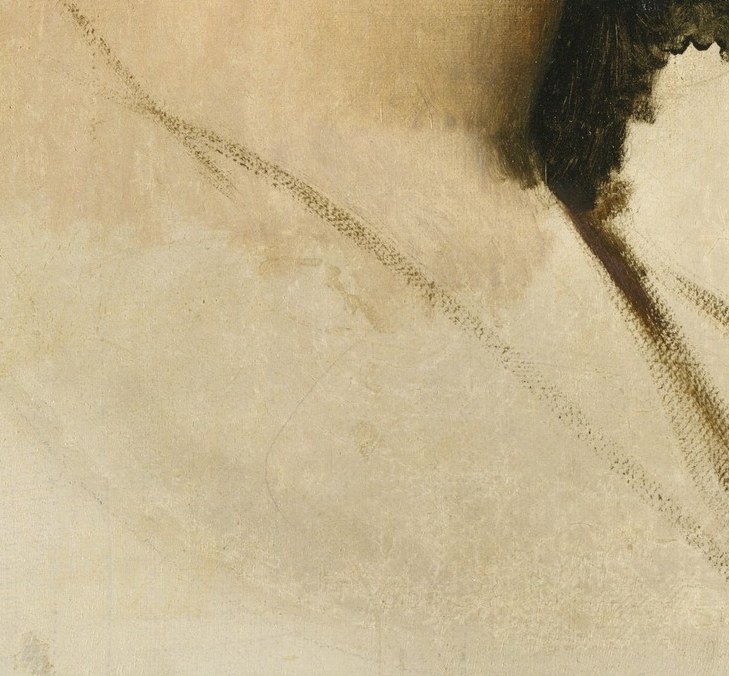
Ingres places her in strict profile against a dark, loosely worked background. The lighting isolates her face and neck, a pale, luminous arc rising from a high-necked white dress. Look at how he treats her hair as architecture, a smooth sculptural mass pinned at the back. The eye stays downcast, the lips barely parted; he withholds any direct confrontation. The whole image feels reserved, a private view of a private person.
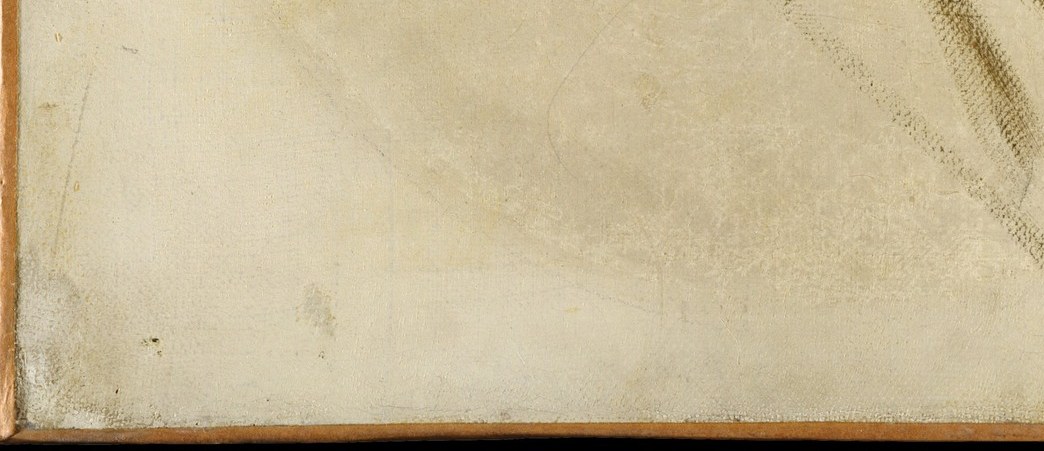
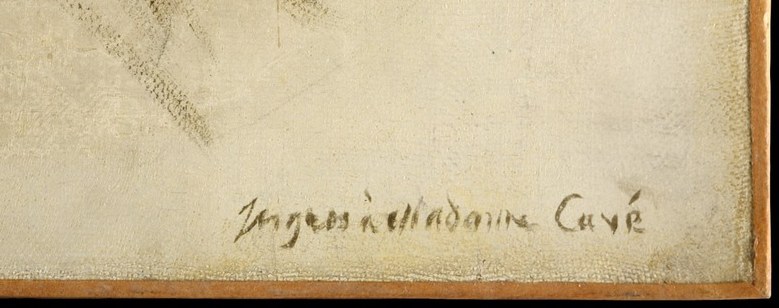
Marie-Élisabeth Blavot was a writer and a painter in her own right. She and her husband, Edmond Cavé, moved in the same Parisian artistic circles as Ingres. The dedication inscribed at the lower right, likely 'Ingres à Mme Cavé', turns the painting from a formal portrait into a social artifact. It records a friendship, not a transaction.
Ingres famously stretched anatomy in pursuit of an ideal. Her neck is slightly too long, her chin-to-throat contour a single gravity-defying arc. Critics of his day complained. But here those distortions read as an act of care: he painted her not as she stood in a room, but as he believed she deserved to be seen.
Details
Transcript
She never looks at us. Her eye stays down, her lips barely parted. Ingres painted this not for money, but for friendship. He gave it to Marie-Élisabeth Blavot herself. She was a writer and a painter. They moved in the same world. So he stretches her neck, sculpts her profile into one unbroken line. And he writes it down: 'Ingres to Madame Cavé.'