Rapids on the Petite Creuse at Fresselines by Claude Monet
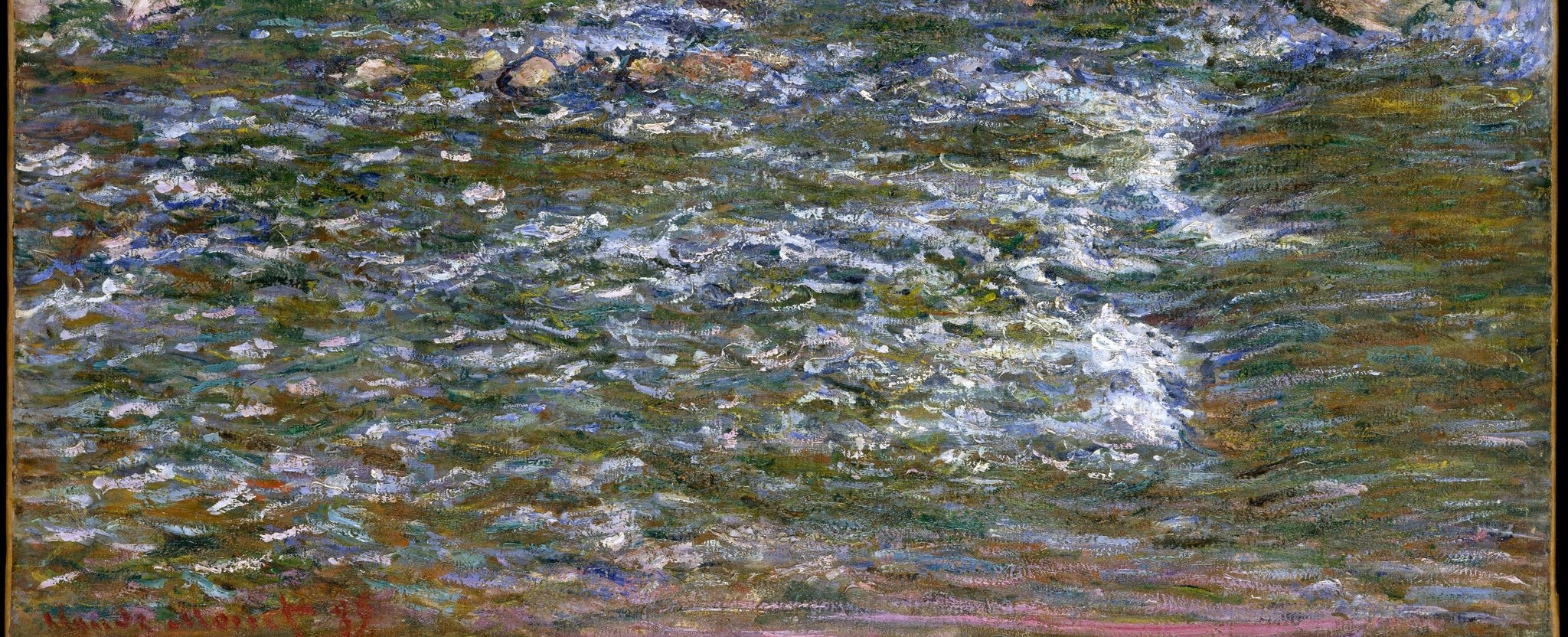
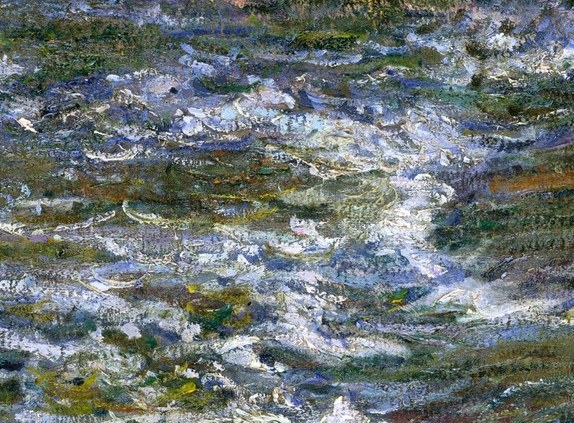
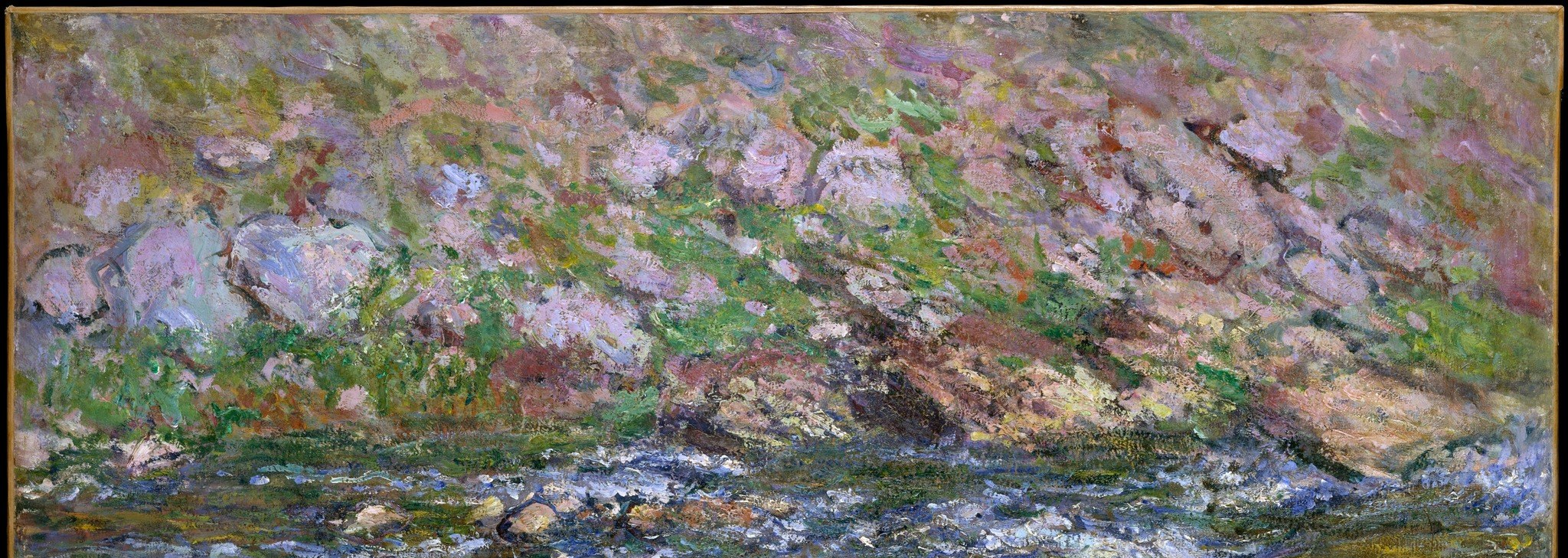
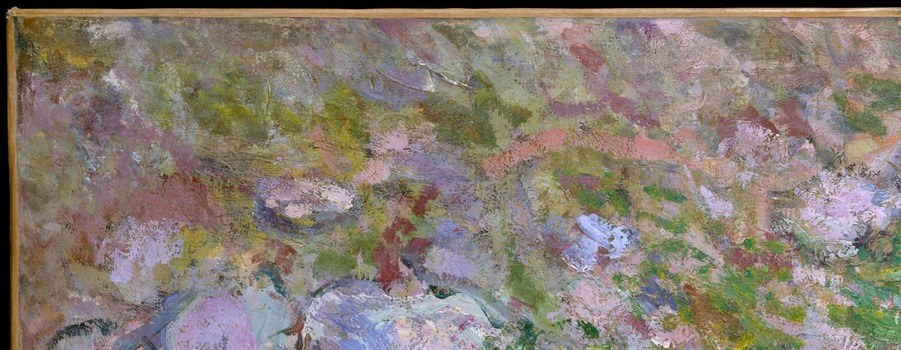
Rapids on the Petite Creuse at Fresselines, by Claude Monet, 1889, held at The Metropolitan Museum of Art. This painting showcases Monet's mastery of Impressionism, capturing the raw, untamed energy of a French river confluence. Monet uses thick, impasto brushstrokes to create a visceral sense of movement in the turbulent water and frothing whitecaps. Notice the surprising use of pinks and purples in the riverbank foliage, a subjective interpretation of nature's intensity. The dark rocks and deep water shadows provide a strong contrast to the vibrant, almost chaotic, vegetation. This work is a prime example of Monet's dedication to expressing his direct perception of the natural world, particularly his focus on light and atmosphere. He was a founder of Impressionism, aiming to depict nature as he saw it.
Details

Transcript
This painter captured a specific river confluence. Look at these turbulent rapids. Thick paint creates a visceral sense of movement. Frothing whitecaps capture the play of light. The foliage explodes with pink and purple. These colors suggest nature's intense subjectivity. Dark rocks anchor the fluid, chaotic motion. This artist painted nature as he perceived it.