Portrait of a man by Ferdinand Bol
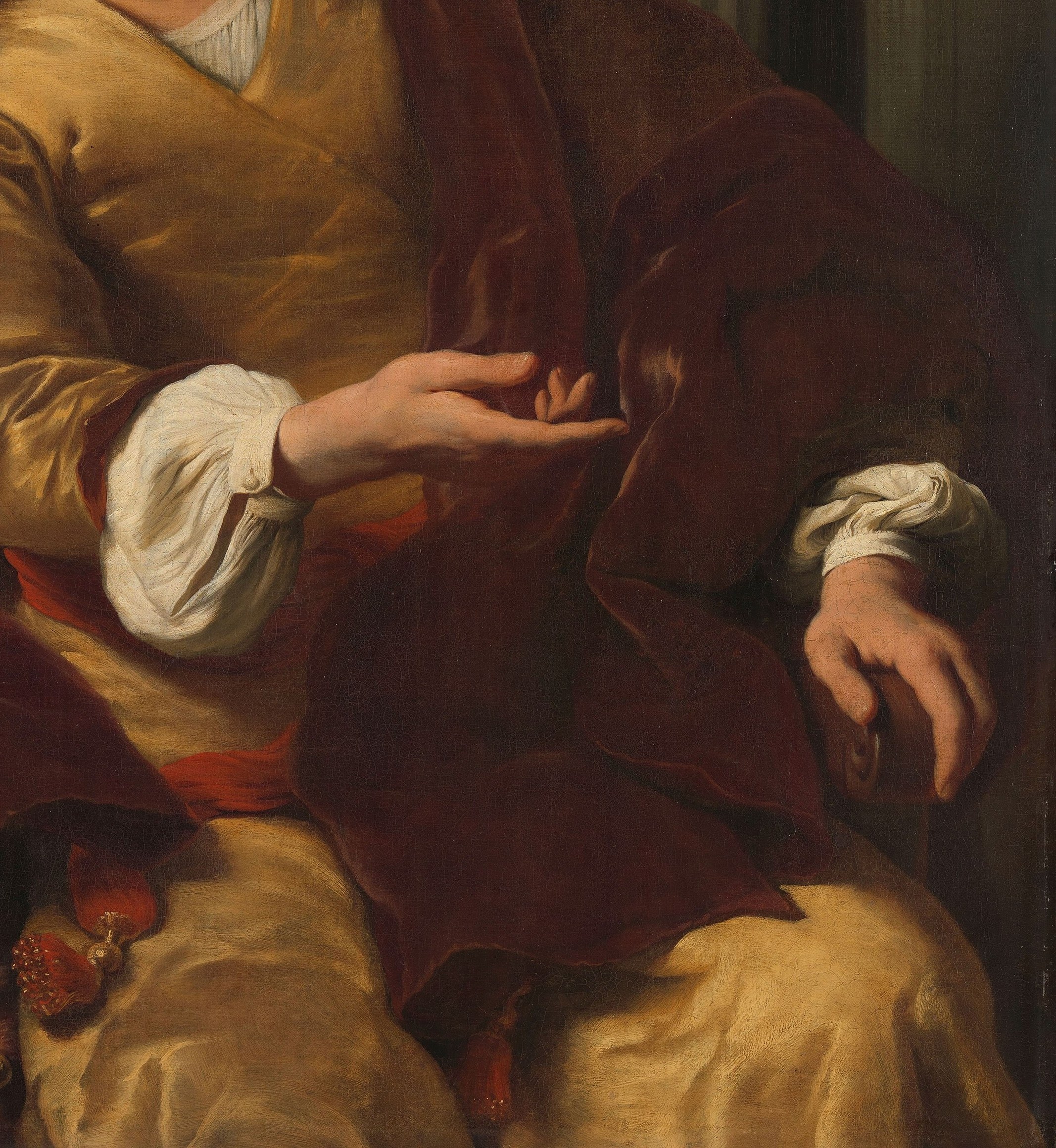
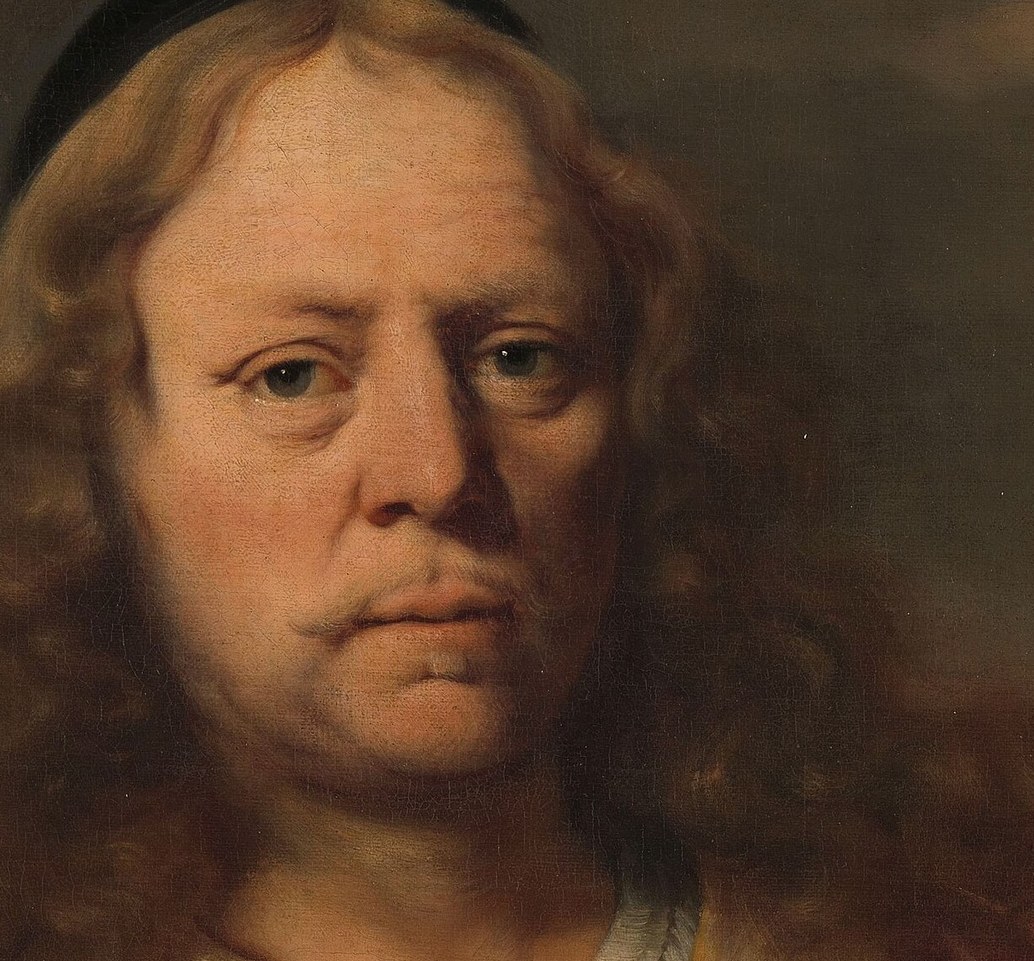
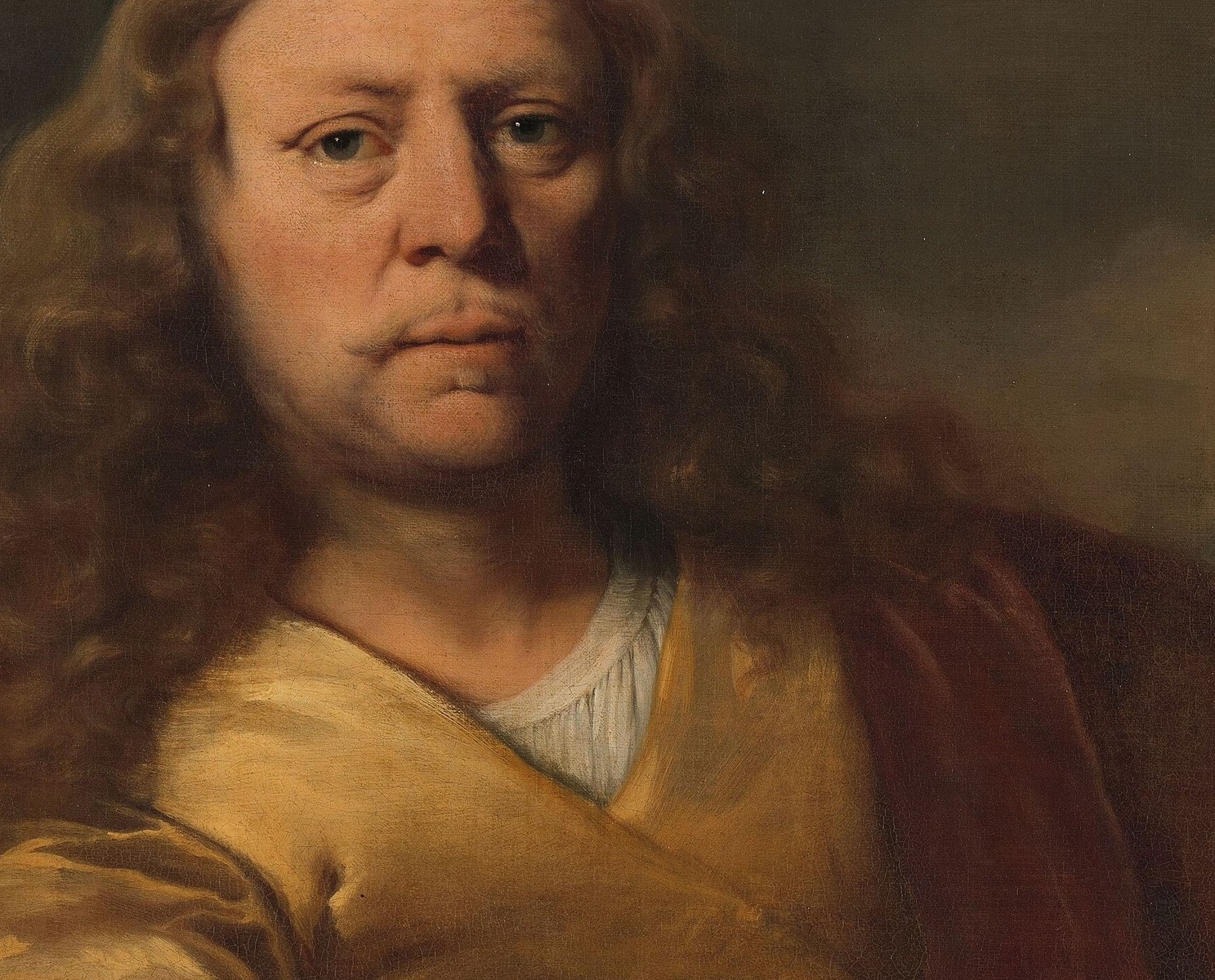
Ferdinand Bol, a student of Rembrandt, mastered the art of capturing rich textures and striking light in his portraits. His "Portrait of a Man," painted in 1663, is a prime example of Dutch Golden Age portraiture, now housed at the Rijksmuseum in Amsterdam.
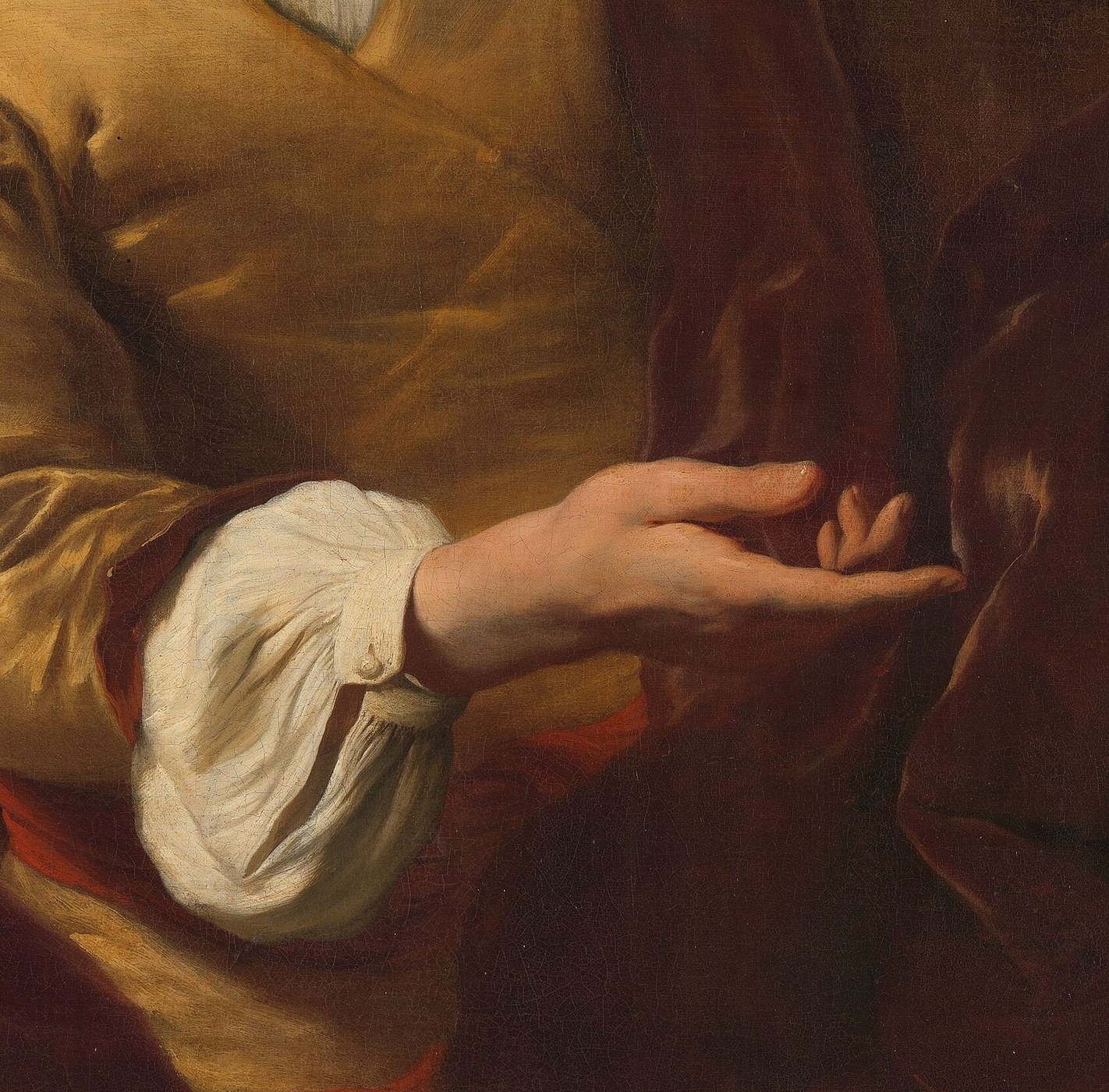
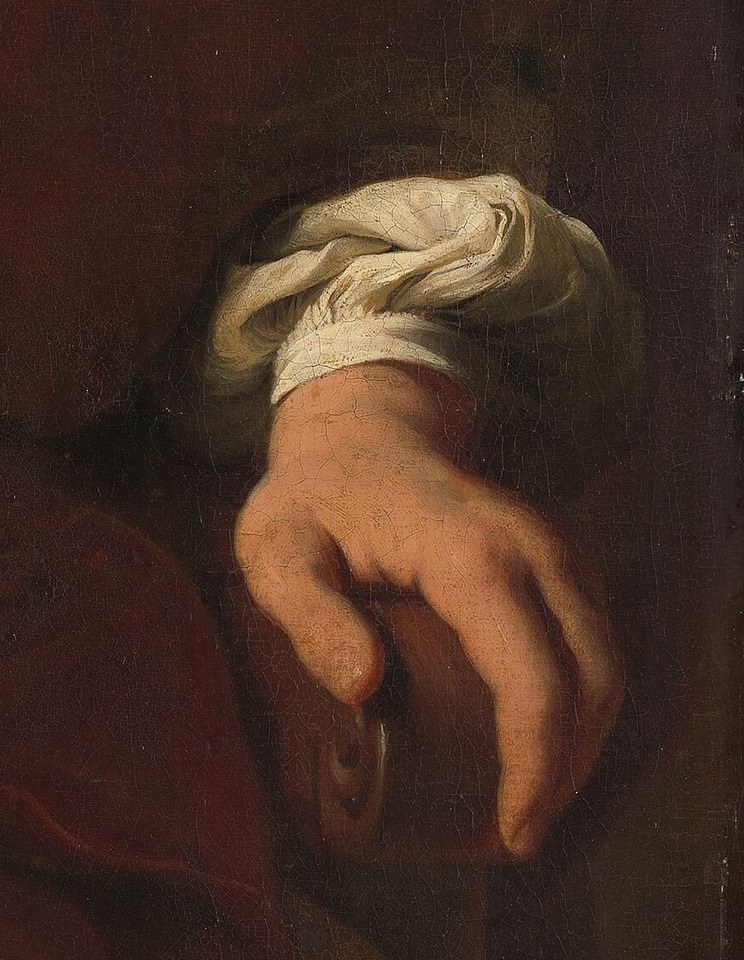
Notice the luxurious deep red of the man's robe, which seems to glow, and the luminous quality of the golden garment beneath. Bol's command of oil paint allowed him to create subtle gradations of light and shadow, giving the fabrics a palpable sense of richness and depth.
Bol developed his own successful studio after training with Rembrandt, blending his teacher's dramatic chiaroscuro with a more refined and elegant approach. This style appealed to his wealthy clientele and established him as a prominent figure in 17th-century Dutch art.
What details in the painting capture your eye most, and how do they convey the sitter's status or personality?
Details
Transcript
This 1663 portrait is by Ferdinand Bol, Rembrandt's student. Bol was known for his command of oil paint and rich textures. Look at the deep red of his robe, almost glowing in the light. And the luminous golden garment underneath, a subtle sheen. His use of light and shadow, chiaroscuro, was inspired by Rembrandt. Bol blended his teacher's drama with a more refined elegance.