Allegorical Family Portrait by Jan de Bray
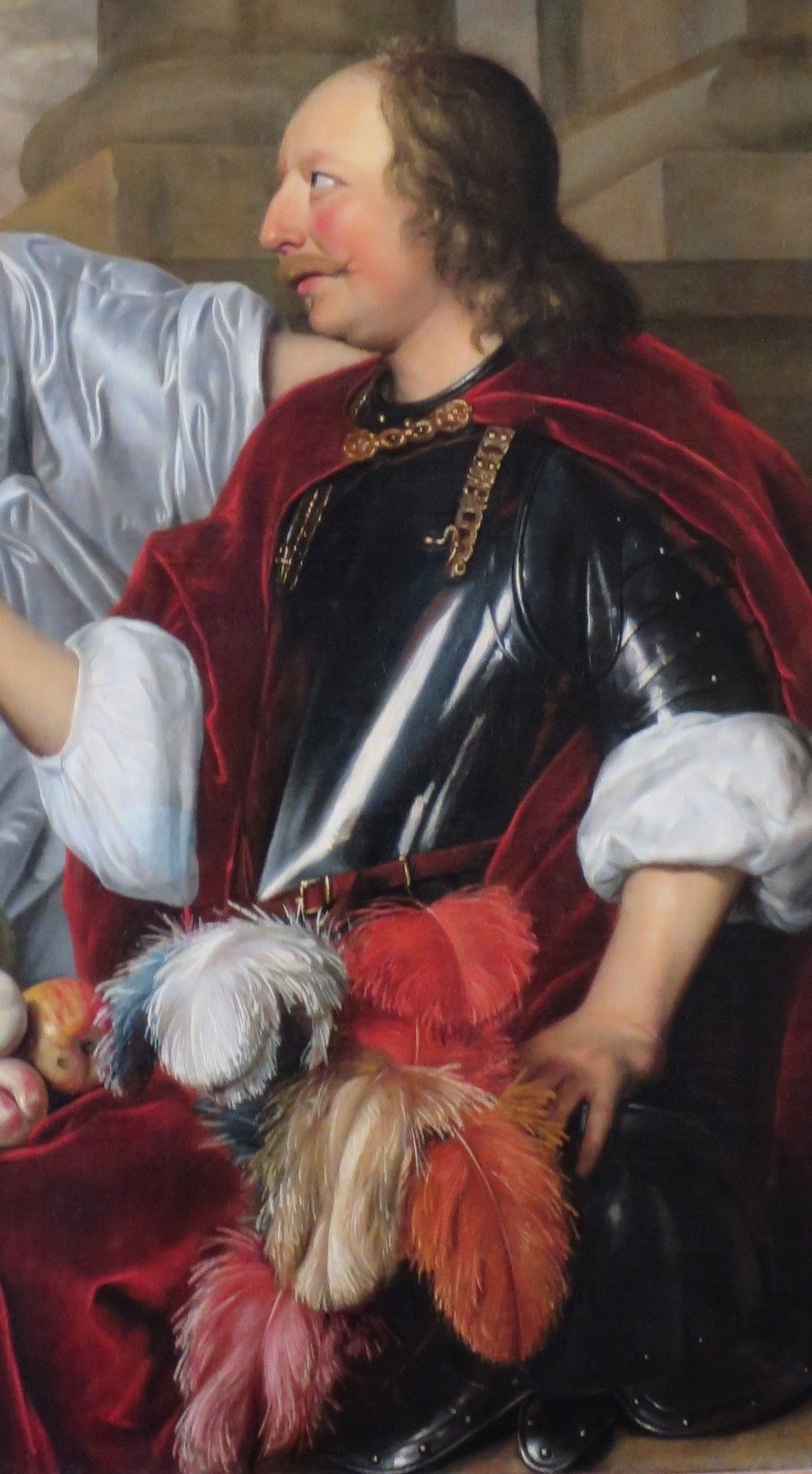
Jan de Bray's "Allegorical Family Portrait," painted in 1670, is a fascinating example of a 'portrait historié,' a popular genre in the Dutch Golden Age where contemporary figures were depicted as historical or allegorical characters. This oil painting, held at the State Hermitage Museum, blends personal portraiture with grander themes.
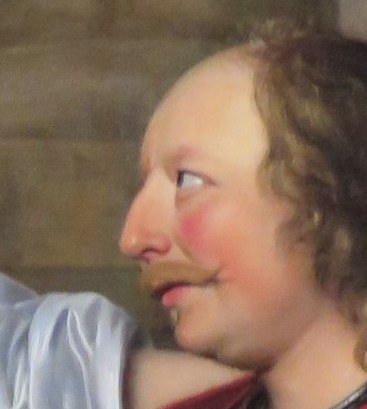
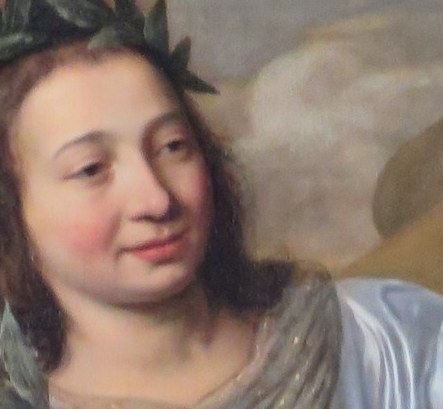
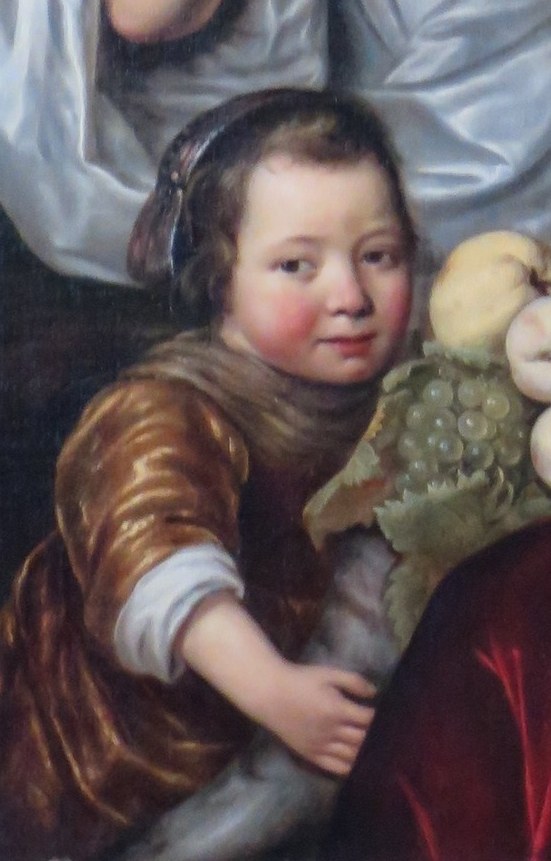
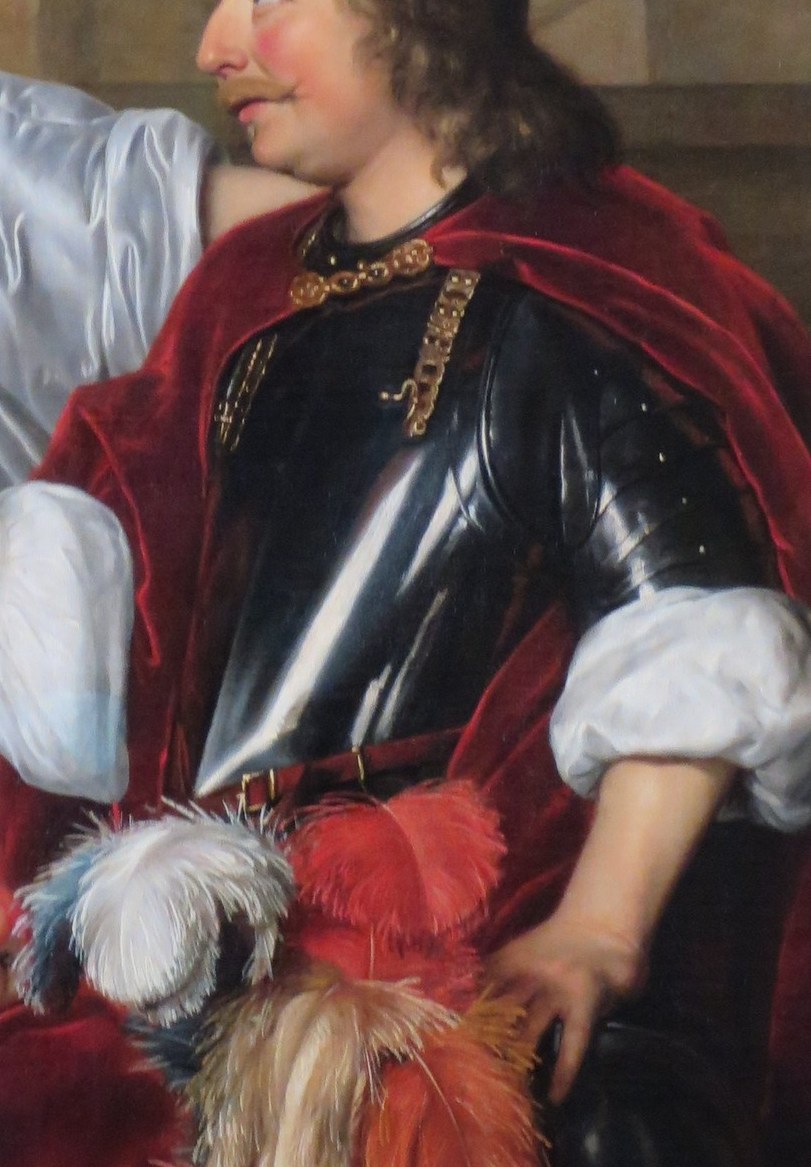
Look closely at the man in armor; it is believed to be the artist himself, Jan de Bray. The woman with the laurel wreath and the child also likely represent members of his own family, portraying an allegorical scene of virtue and prosperity. This creative approach allowed artists to imbue their portraits with deeper meaning and narrative.
De Bray, active in Haarlem, often incorporated his family into his works. A poignant example is his second version of "The Banquet of Cleopatra," where many of the models, including his family members, had tragically died in the devastating plague of 1663-1664. This adds a layer of profound human emotion and remembrance to his artistic practice. This technique also illustrates the cross-genre experimentation of the Dutch Golden Age.
De Bray's work offers a unique window into both the artistic conventions of his time and the personal stories of the artists who created them. What do you notice about the expressions of the figures?
Details
Transcript
This looks like a family portrait. But Dutch painters often put their own families into these scenes. This painter used his own face as the man in armor. And his wife, and their children, as these figures. A powerful way to capture a family's legacy. Especially when so many died in the Dutch plague.