Saint Bonaventure and Saint Thomas Aquinas in Front of the Crucifix by Francisco de Zurbarán
Francisco de Zurbarán's "Saint Bonaventure and Saint Thomas Aquinas in Front of the Crucifix," painted in 1629, has a dramatic history that goes beyond its canvas. During World War II, this masterpiece, now held at the Gemäldegalerie in Berlin, was carefully hidden in a bunker to protect it from wartime destruction and looting. Its survival is a testament to the efforts made to preserve cultural heritage during conflict.
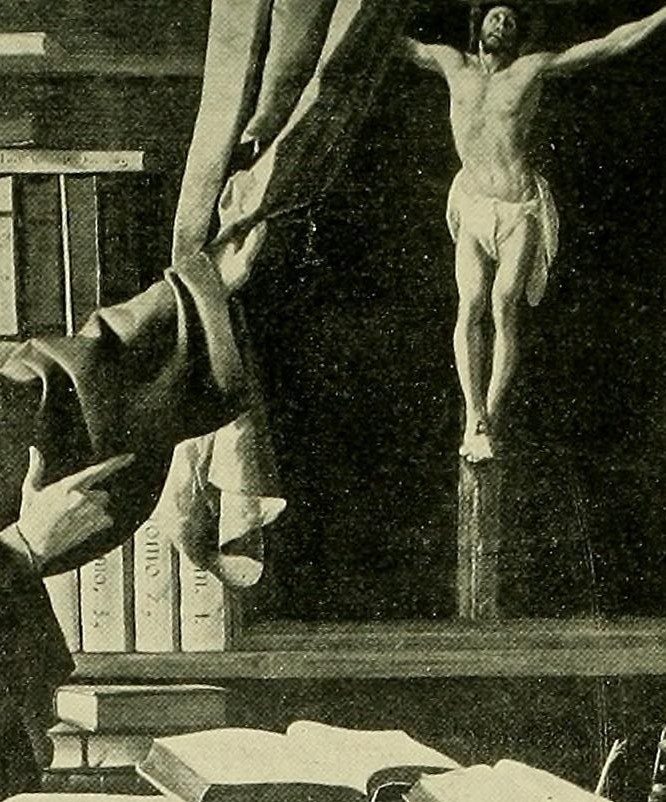
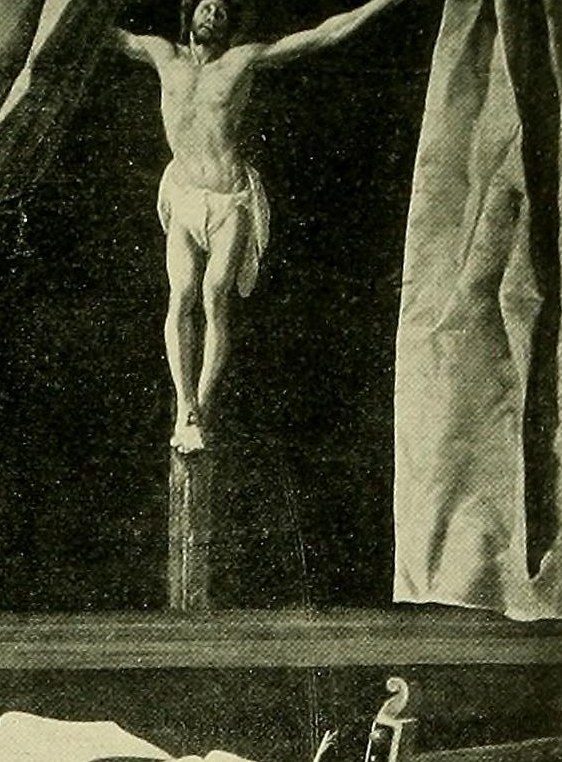
Zurbarán, often called the “Spanish Caravaggio,” was a master of chiaroscuro, using stark contrasts between light and shadow to create intense spiritual drama. Notice how the light illuminates the faces of Saint Bonaventure and Saint Thomas Aquinas, drawing our eyes to their profound contemplation of the crucifix.
The painting brings together two eminent medieval theologians, underscoring the compatibility of intellectual inquiry and devotional piety during the Counter-Reformation. The scholarly books and the memento mori skull further emphasize the themes of faith, learning, and the transient nature of life.
What other secrets do you think paintings hold within their histories?
Details
Transcript
This 17th-century painting has a hidden history. In WWII, it was hidden in a bunker to protect it. Look closely at the figures' faces. They are Saint Bonaventure and Saint Thomas Aquinas. The artist captured their intense spiritual focus. This dramatic lighting is a Zurbarán trademark. He was known as the 'Spanish Caravaggio'.