Nymph and Putti in a Vintage Scene; Nymph with a Wreath and Putti with Garlands of Flowers by Piat Joseph Sauvage
Piat Joseph Sauvage, a celebrated artist of the late 18th century, was renowned for his decorative works, often adorning the palaces of European royalty. "Nymph and Putti in a Vintage Scene," painted around 1790, is a delightful example of his Rococo style, now housed at The Metropolitan Museum of Art.
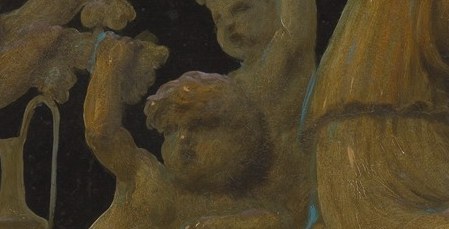
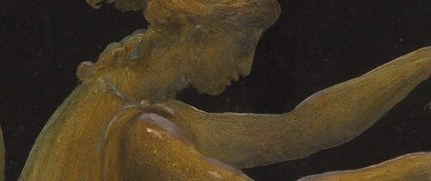
In this painting, a serene nymph is surrounded by playful putti, engaged with garlands of flowers. The warm palette and intricate details capture the lighthearted elegance characteristic of the period, creating a scene of natural abundance and festivity.
However, Sauvage was most famous not for mythological scenes, but for his mastery of trompe l'oeil and grisaille. He would create stunning optical illusions, painting fake marble reliefs and sculpted figures directly onto walls, porcelain, and even ivory, tricking the eye into believing they were three-dimensional. His work captivated the French aristocracy, for whom he served as court painter to King Louis XVI and the Prince de Condé.
It's fascinating to see an artist so celebrated for one specific, almost scandalous, style also excel in such a traditionally beautiful manner. What do you think of this versatile artist's different approaches?
Details



Transcript
This painter was court artist to kings and princes. He was famous for playful scenes like this one. His art was decorative, meant to adorn palaces. But he was best known for illusionistic trick paintings. His specialties were trompe l'oeil and grisaille. He would paint fake marble reliefs onto actual walls. His optical illusions delighted the French aristocracy.