View of a Forest by Jan van Kessel
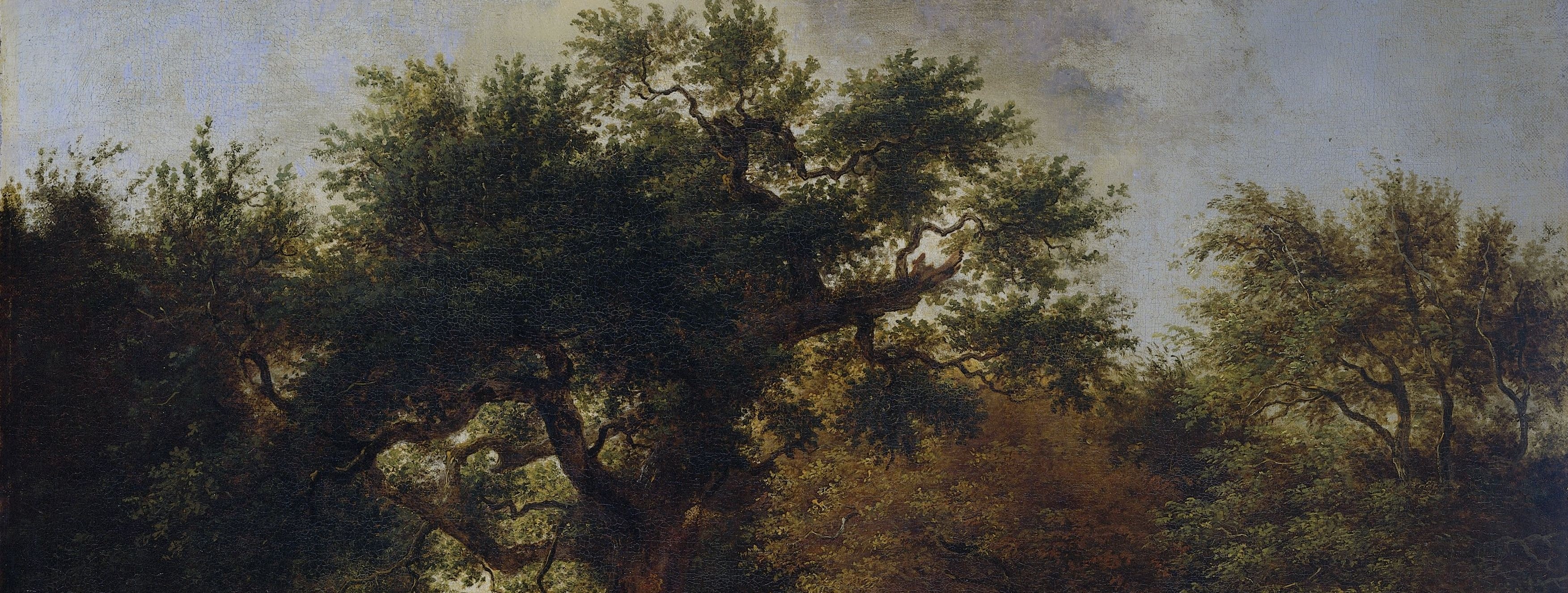
In Jan van Kessel's *View of a Forest*, painted in 1670, the Dutch Golden Age artist mastered the illusion of light and atmosphere within a dense landscape. This oil painting, held at the Rijksmuseum, draws you into a remarkably deep and intricate woodland scene.
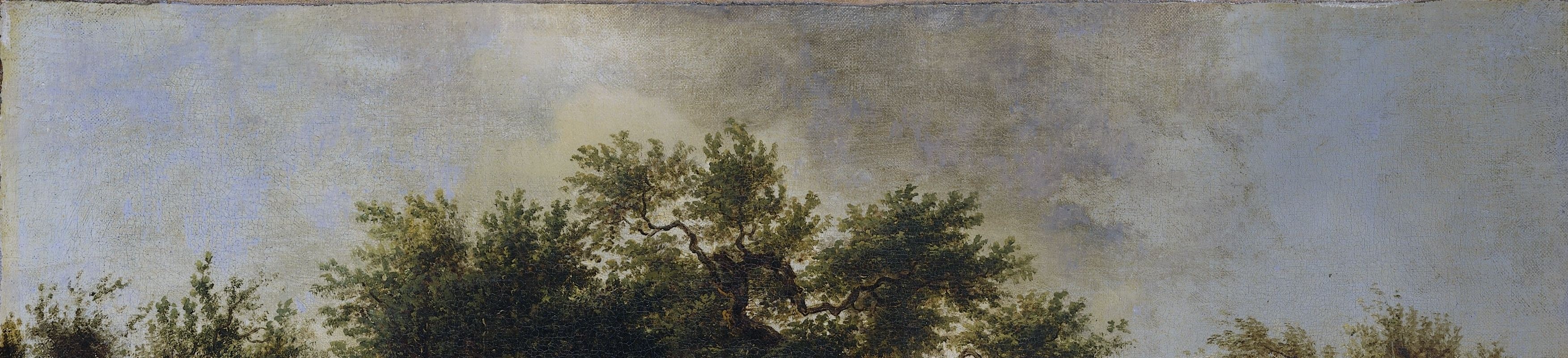
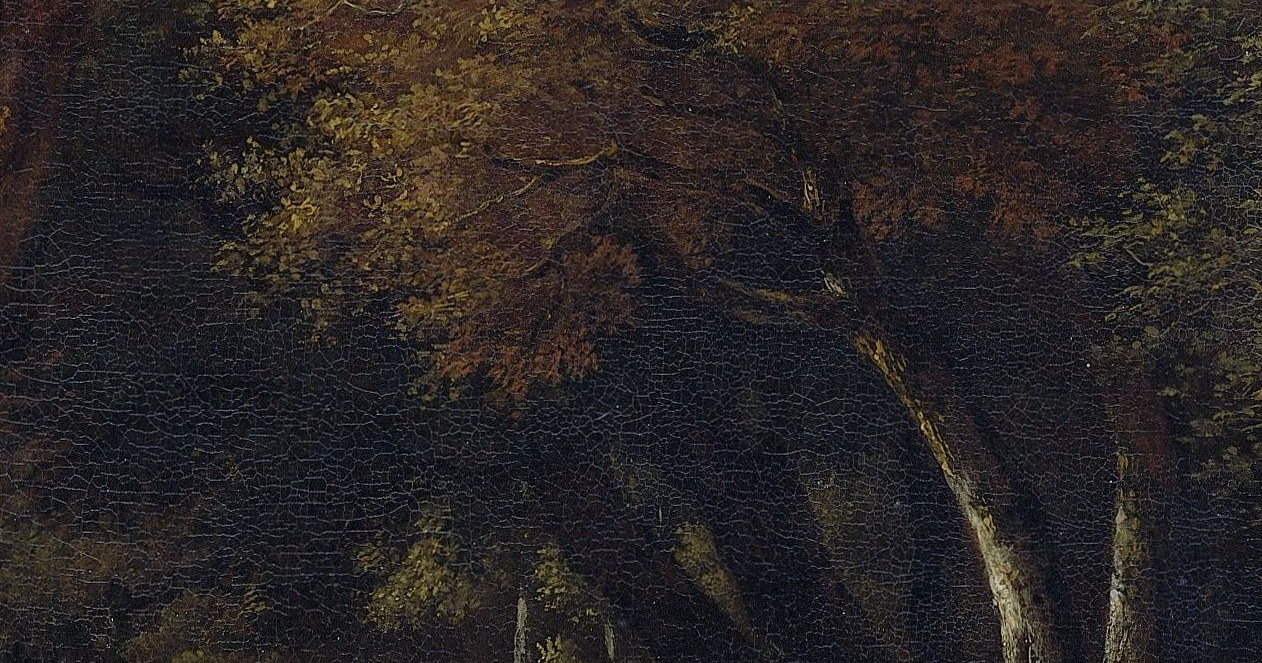
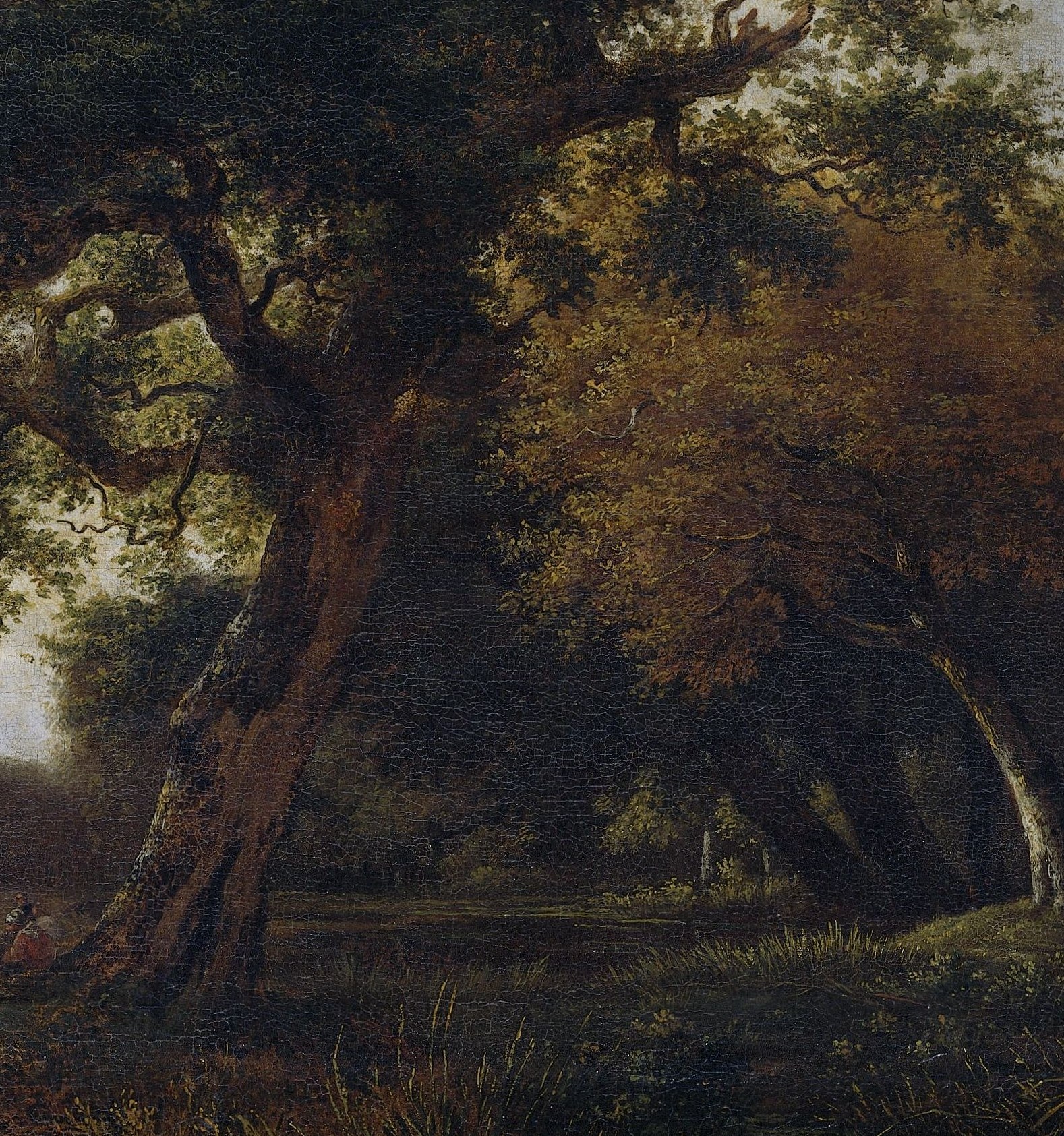
Observe how van Kessel builds the forest with meticulous layers of green and brown, creating the illusion of deep, complex foliage. The real magic is in the way he makes the light itself seem to exist in the air, filtering through the trees, making the unseen visible.
Van Kessel, a Flemish painter from Antwerp, was a versatile artist known for his detailed naturalism, often influenced by the Brueghel family. This work exemplifies his skill in transforming paint into a living, breathing natural environment.
It’s a subtle trick that shows how much a skilled hand can achieve with just oil and canvas. What details do you notice first?
Details
Transcript
Look closely at this dense forest view. The painter worked to create a sense of true depth. He used countless layers of subtle green and brown. Notice how the light seems to filter through the trees. This technique makes the air itself feel visible. It's all paint, carefully blended to capture atmosphere.