Four Apachee Indians by Catlin, George
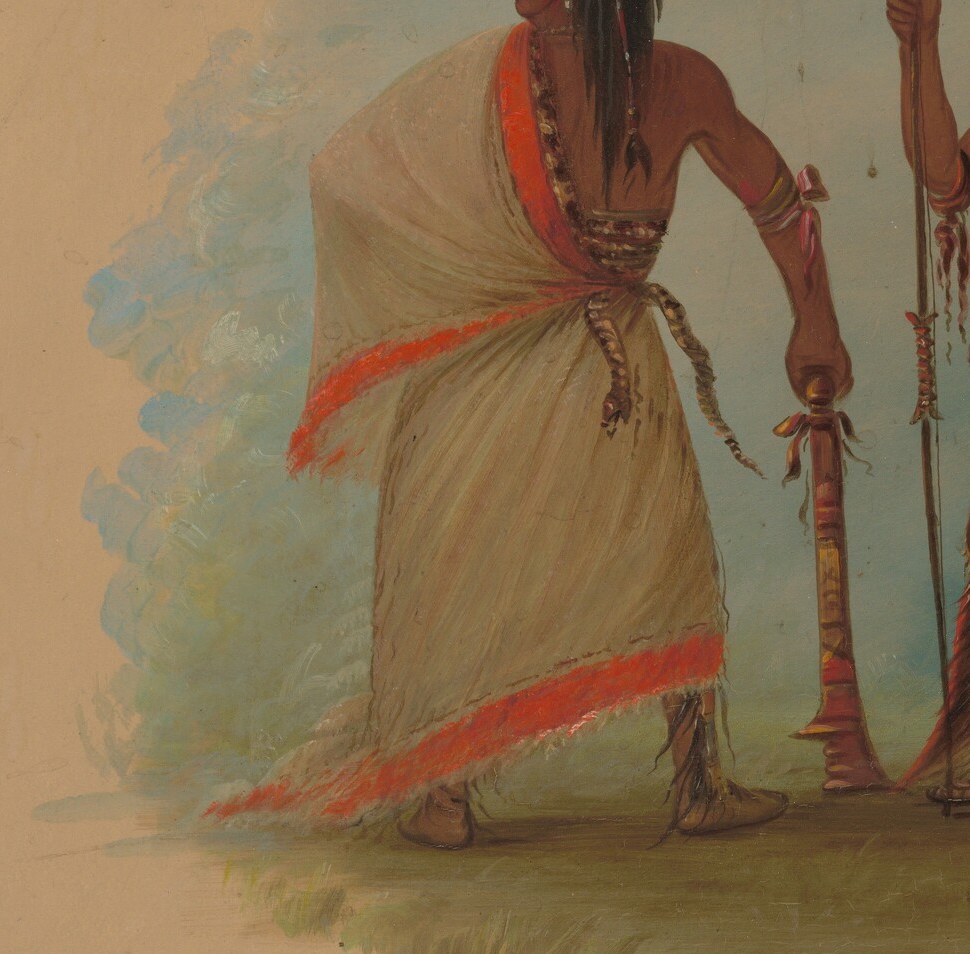
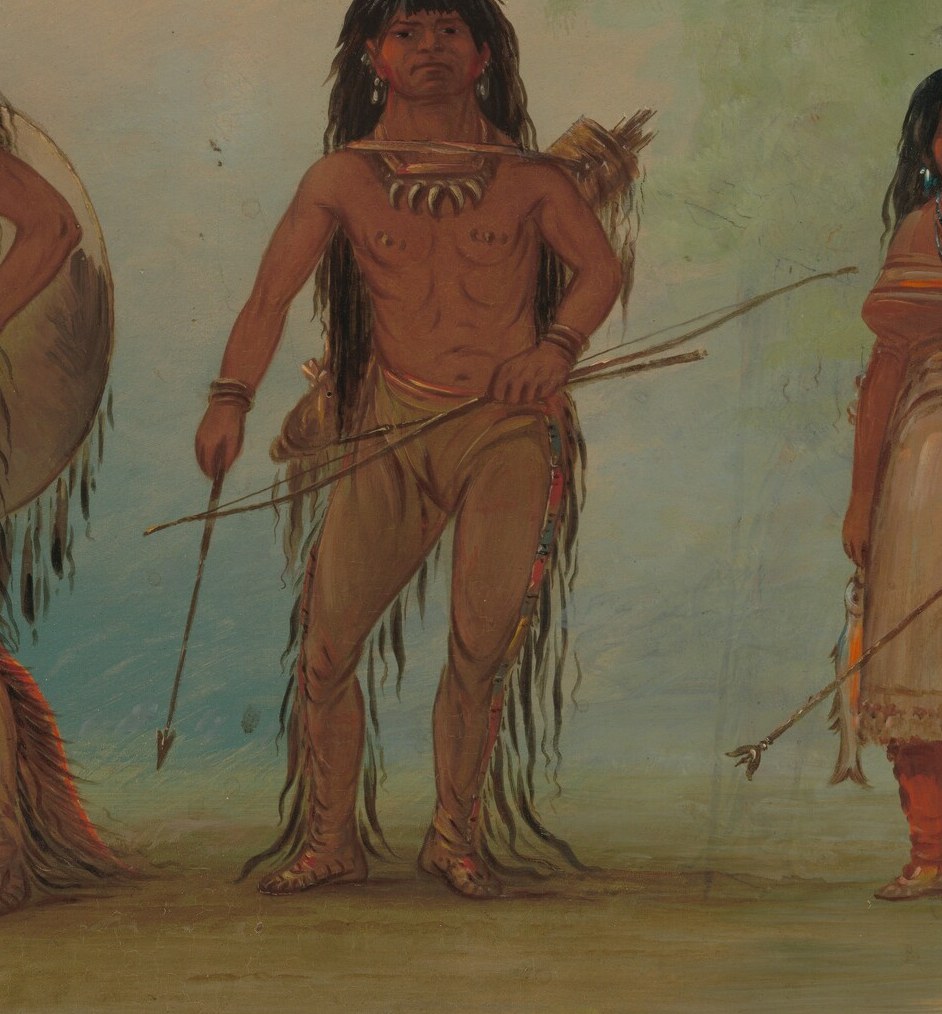
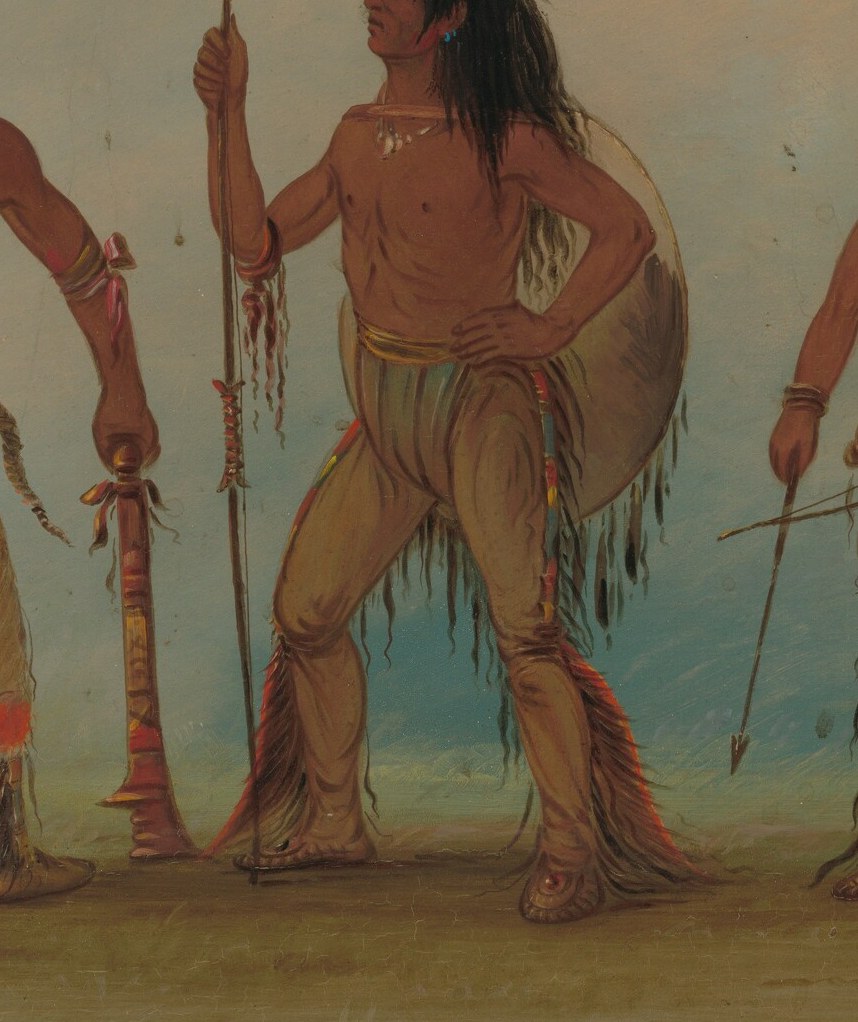
George Catlin, a lawyer turned artist, dedicated his life to documenting Native American cultures through his paintings. His "Four Apachee Indians," created in 1862 and now in a private collection, is part of a vast series reflecting his extensive travels across the American frontier.
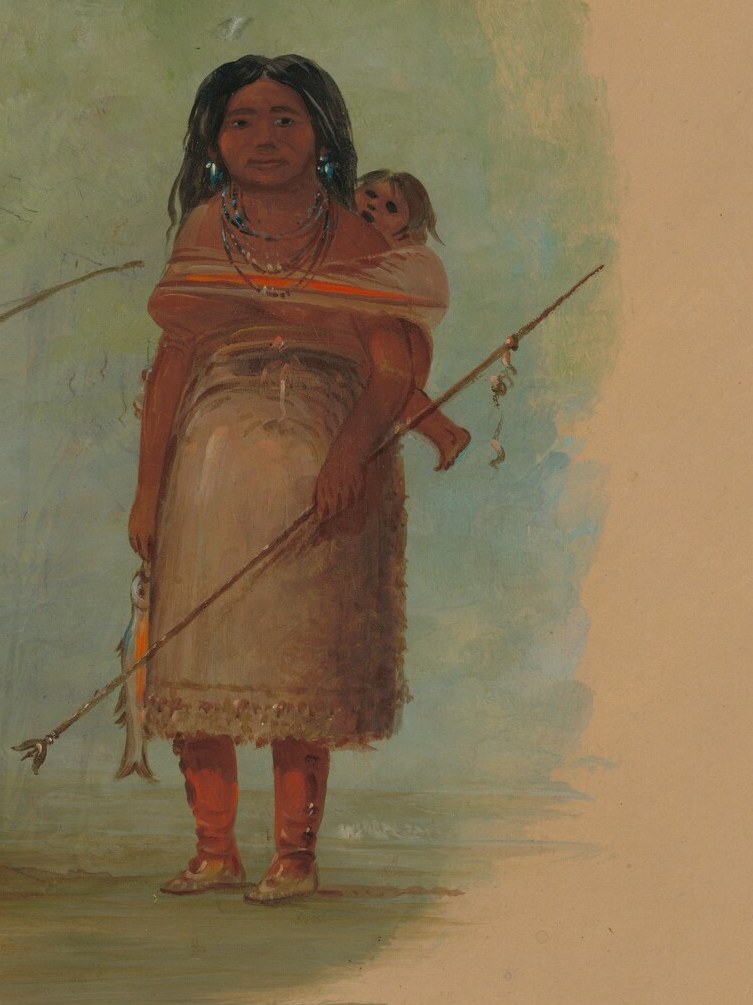
Look closely at the figures, particularly the woman with her child, representing family and continuity. Each feather headdress, each weapon, and every face was observed by Catlin, who sought to capture their lives with directness and authenticity.
Catlin undertook five expeditions in the 1830s, convinced of the importance of creating a visual record of Indigenous peoples whose ways of life were rapidly changing. His straightforward, folk-art style prioritized documentation over academic refinement, leaving behind an invaluable historical and artistic legacy.
What stories do you imagine these faces hold?
Details
Transcript
In the 1830s, this artist traveled the American frontier. He was a lawyer who gave it all up to paint Native peoples. He made five expeditions, documenting tribes like the Apache. His mission was to capture cultures facing rapid change. This woman with her child, symbols of family and future. Each face tells a story he worked tirelessly to preserve.