The Nativity by Francesco di Giorgio
View the artwork: The Nativity →
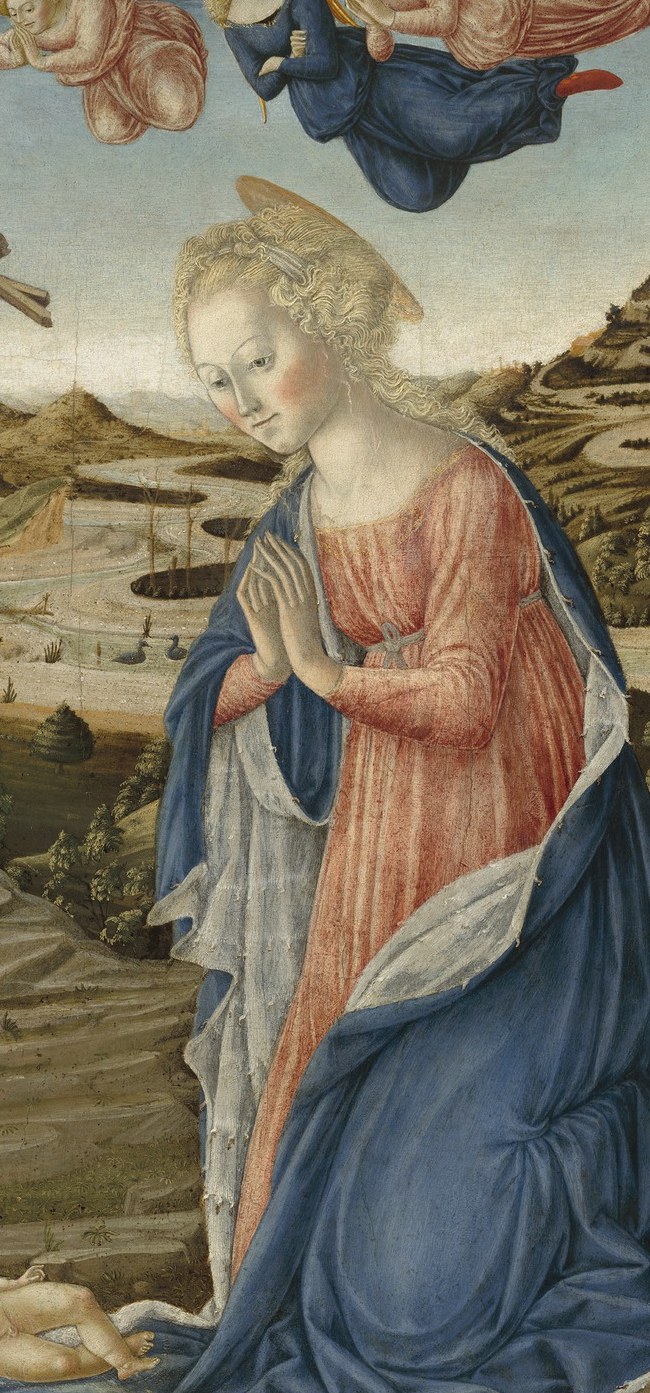
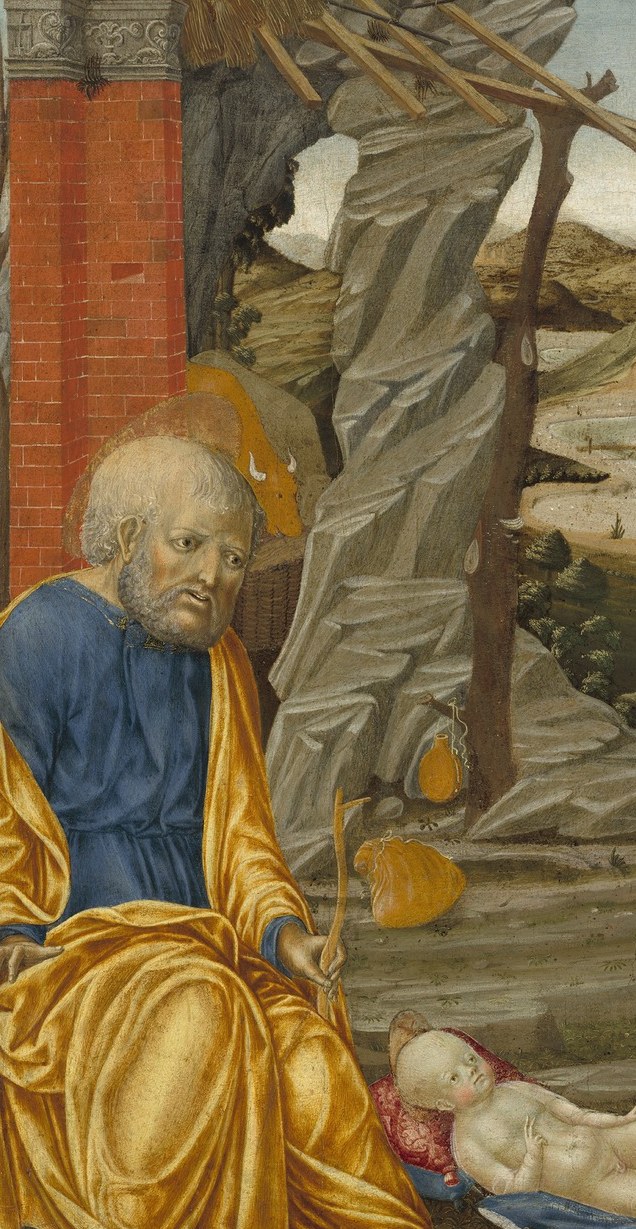
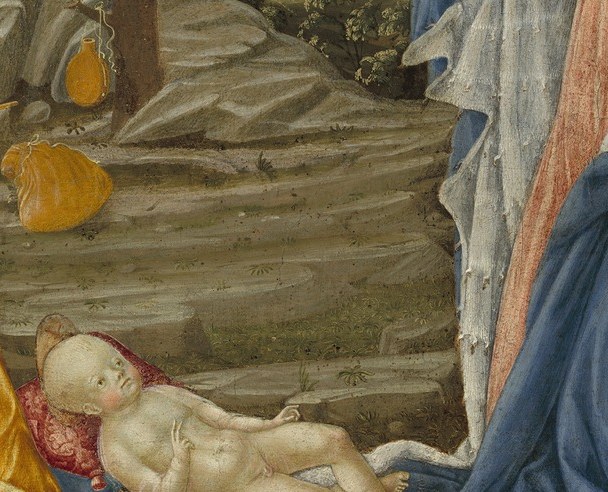
This is Francesco di Giorgio's Nativity, painted around 1470. A Sienese architect and military engineer who built nearly seventy fortifications, he spent his career designing walls to keep danger out. Here, he set down his instruments and rendered the one moment he could not fortify: a child placed directly onto bare earth, utterly vulnerable.
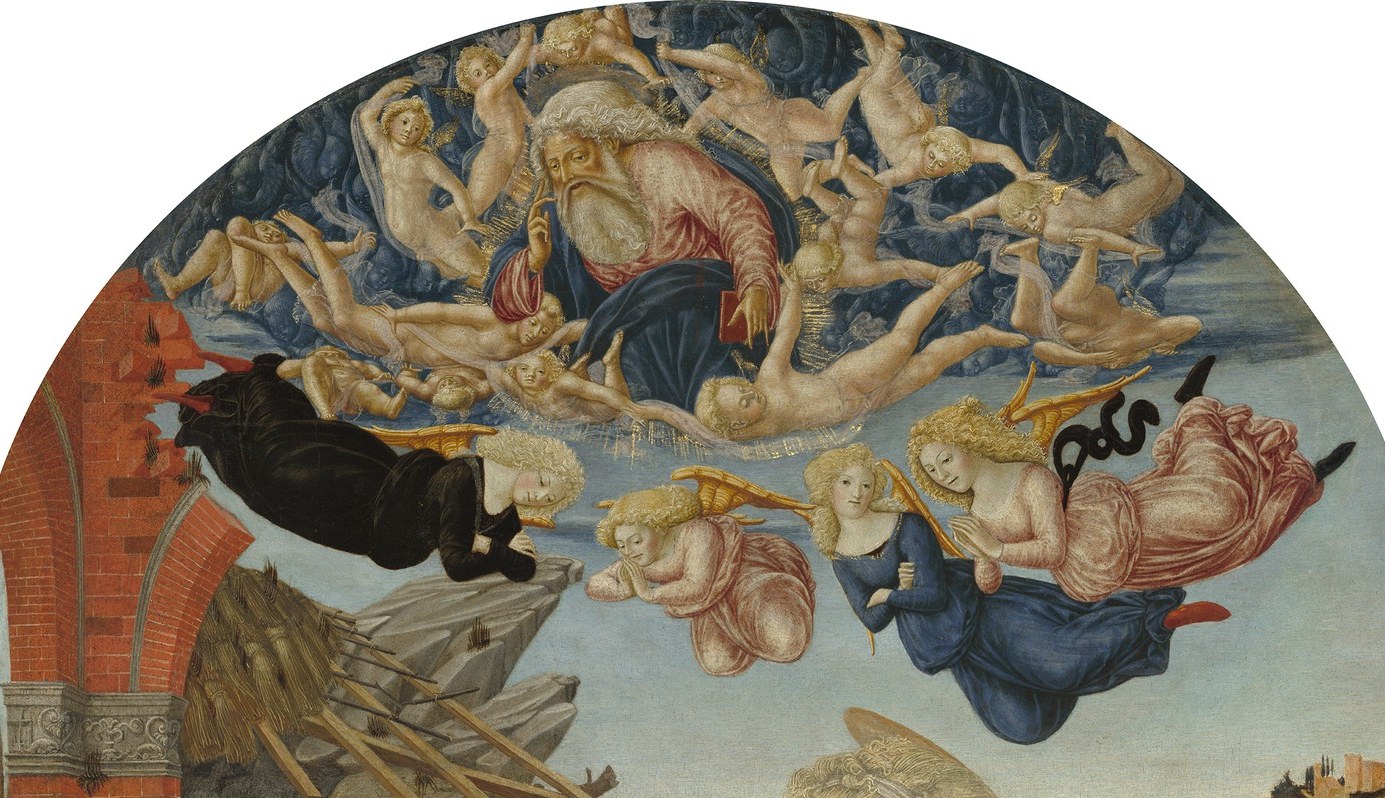
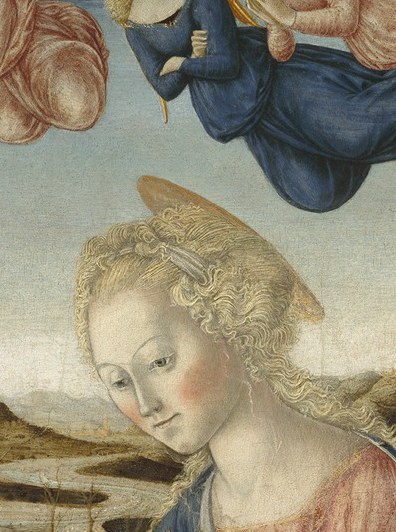
Look first at the two faces. Joseph's is aged and lined, kneeling in a cascade of golden drapery, the painter gave him the quiet wonder of someone who has waited decades for a promise. Mary's face tilts downward, her expression balanced between awe and intense privacy. Then look at the stable itself: those crumbling timbers are not accidental. In 15th-century Sienese painting, a ruined shed meant the Old Covenant was giving way to the New.
Francesco di Giorgio was far better known as an engineer than a painter. He designed star-shaped fortifications for the Duke of Urbino, wrote architectural treatises, and moved easily between courts. This panel is a rare surviving easel painting, and you can feel a builder's mind in the careful geometry of the pillar, the receding valley, the fortified tower on the horizon, all constructed, all solid, all framing the impossible center.
What strikes me is the contrast between the man's career and the scene he chose. A strategist who spent his life calculating threats, who understood precisely how structures fail, painted the most defenseless moment in his culture's story. Maybe that is why the angels break through the top of the picture so completely, even the sky could not stay intact.
#arthistory #sienesepainting #earlyrenaissance
Details
Transcript
Francesco di Giorgio was a fortress builder. He spent his life constructing walls against the world. Here, he built a cradle out of ruins. An old man kneels in gold. His face says he has waited a long time for this. She looks down at what the world now holds. A military engineer painted the most fragile thing he knew.