Rommelpot player by Judith Leyster
This captivating painting, "Rommelpot player" by Judith Leyster, from circa 1630, hangs in the Art Institute of Chicago. For centuries, Leyster's contributions to Dutch Golden Age art were largely overlooked or misattributed to male artists like Frans Hals or her husband, Jan Miense Molenaer.
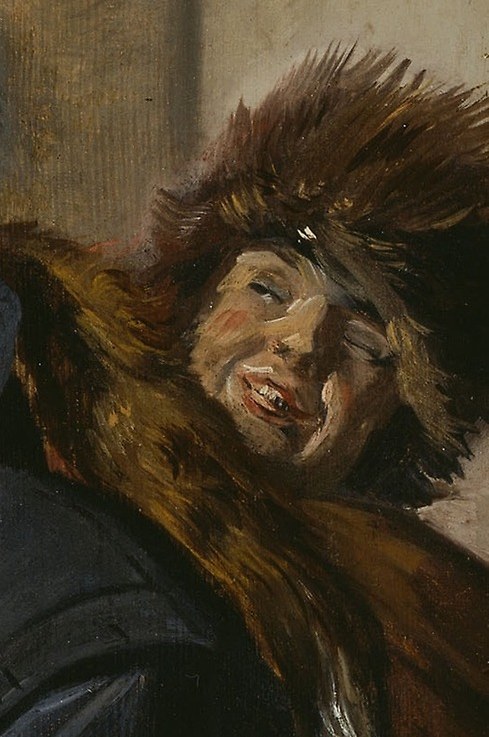
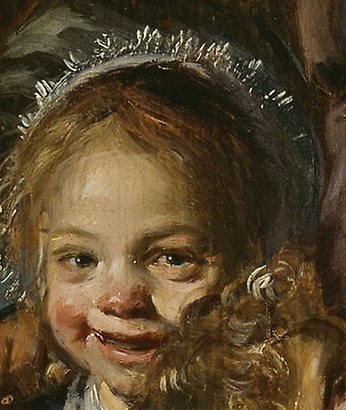
Observe the lively expressions of the figures gathered around the rommelpot player. The artist's distinctive brushwork captures the scene's energy and the textures of their clothing, from the player's dark hat to the young girl's delicate hair ornament.
It wasn't until 1893 that a scholar, Cornelis Hofstede de Groot, recognized Leyster's signature and began the process of re-attributing her works. This rediscovery brought her out of obscurity, solidifying her place as an important genre painter of her time.
Leyster's story reminds us of the many artists whose legacies have been shaped, and sometimes obscured, by historical biases. Her art continues to delight and engage viewers today.
Details

Transcript
This joyous painting was long attributed to a man. For centuries, this artist's work was largely forgotten. Or worse, credited to her male contemporaries. But in 1893, a scholar recognized her unique hand. Now, we know this is a Judith Leyster. One of the Dutch Golden Age's celebrated painters.