Mrs. William Hartigan by Breda, Carl Fredrik von
This is "Mrs. William Hartigan," a portrait of Anne Elizabeth Pollock Hartigan painted in 1792 by Swedish artist Carl Fredrik von Breda. It now hangs in a museum collection, a quiet document of English aristocratic fashion on the brink of disappearance.
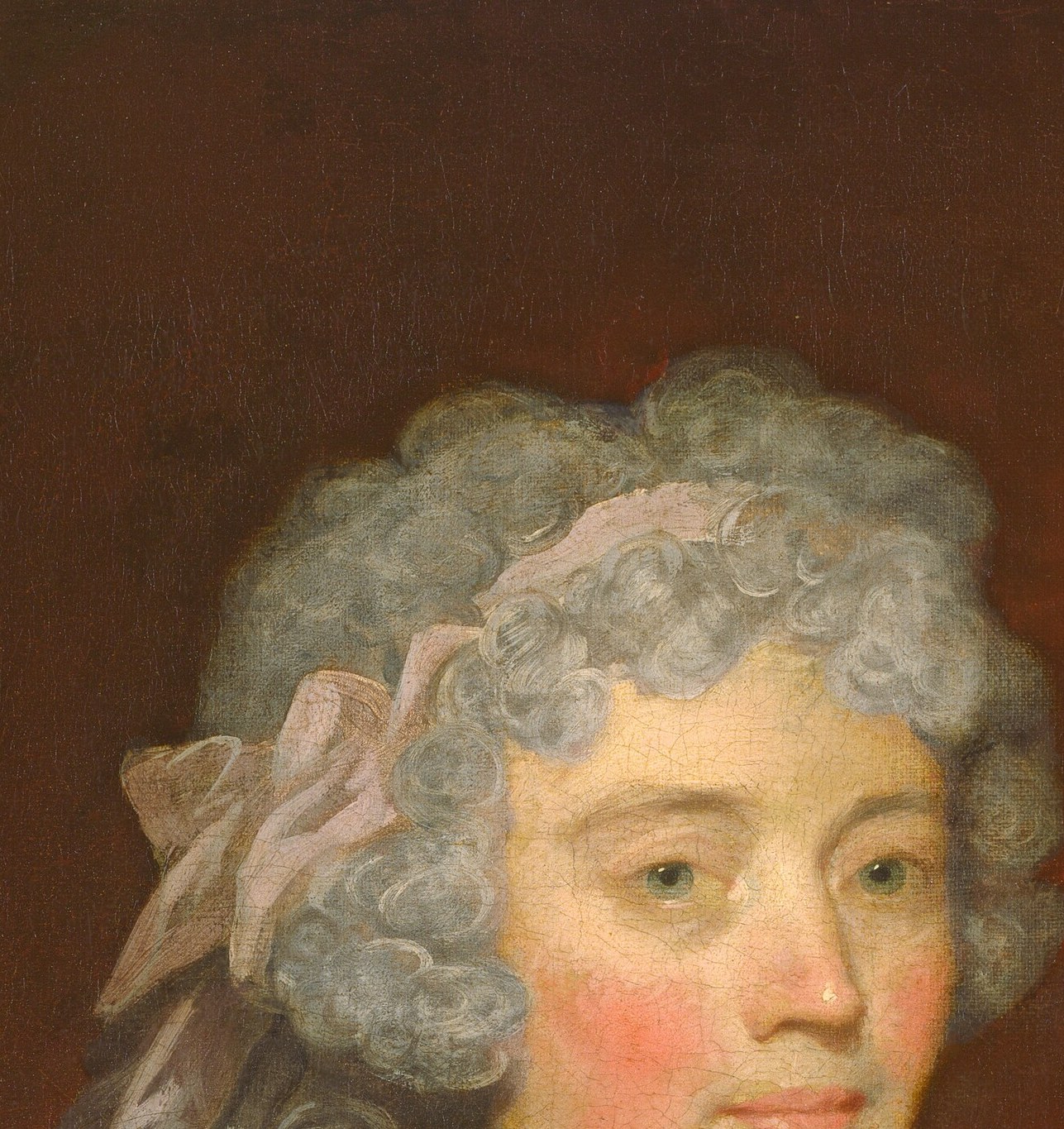
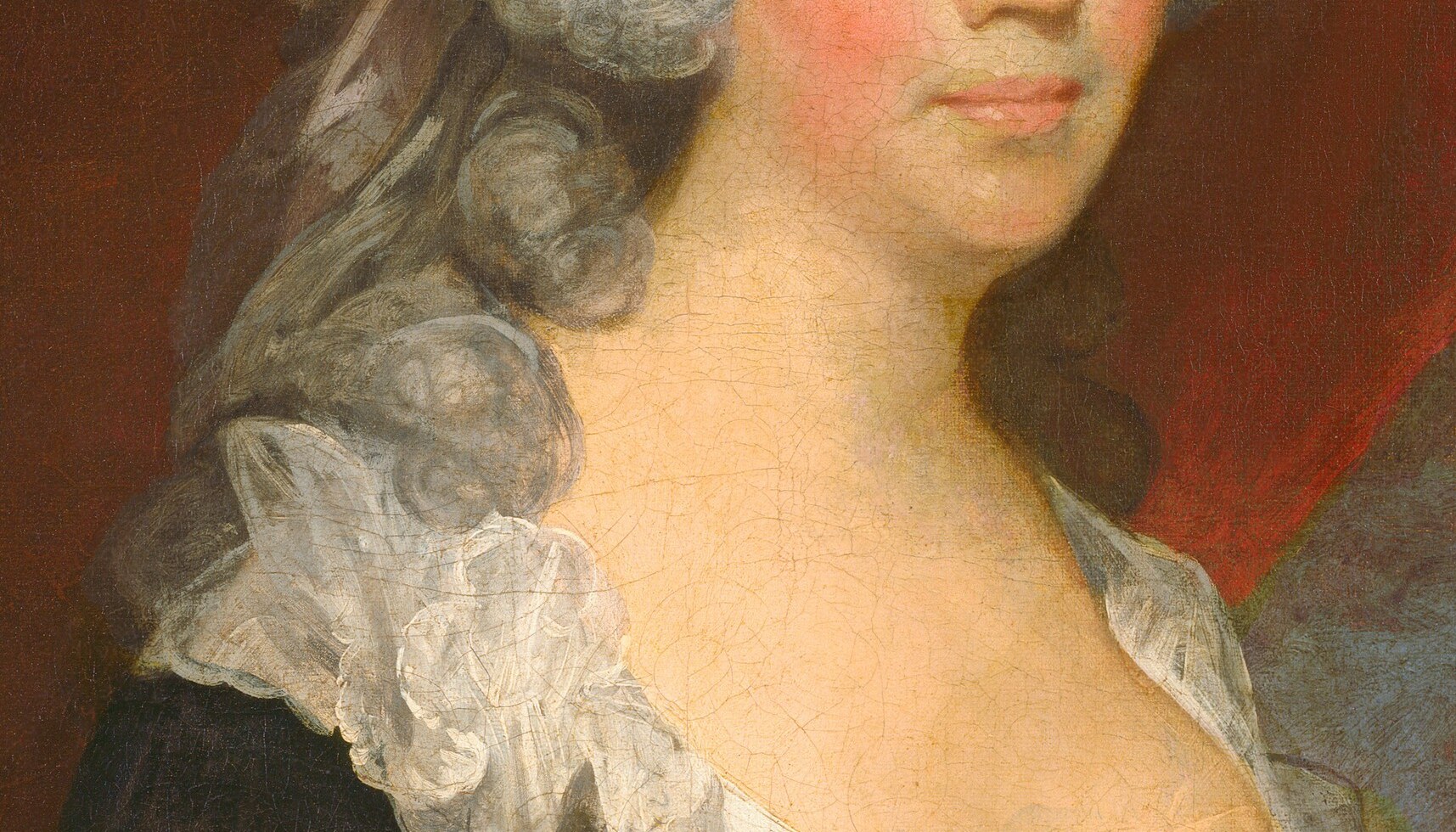
Look first at her face. The rouged cheeks are not a natural blush, they are a heavily applied cosmetic convention, a sign of status rendered with deliberate artifice by the painter. Then follow the pink ribbon in her hair down to the pink sash at her waist: von Breda threaded a precise color chord through the composition. The black velvet bodice anchors the whole, a difficult passage of near-black that shows his control of value against the brilliant white lace at her neckline.
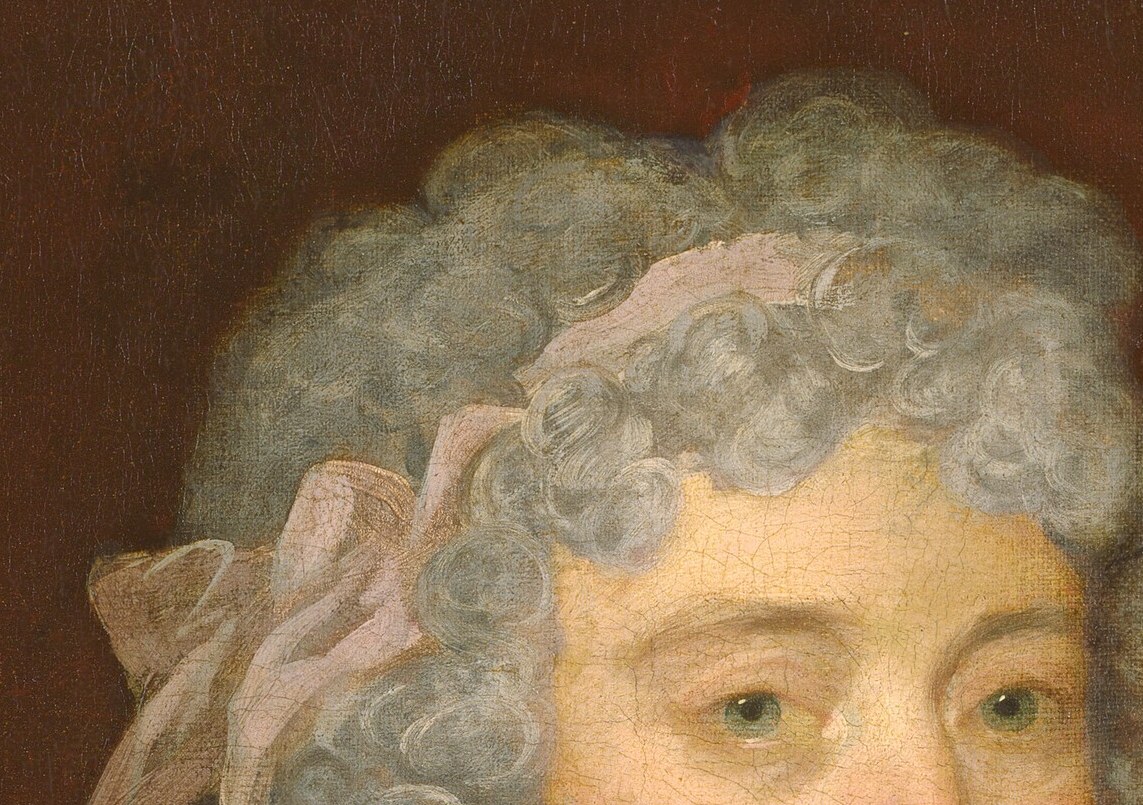
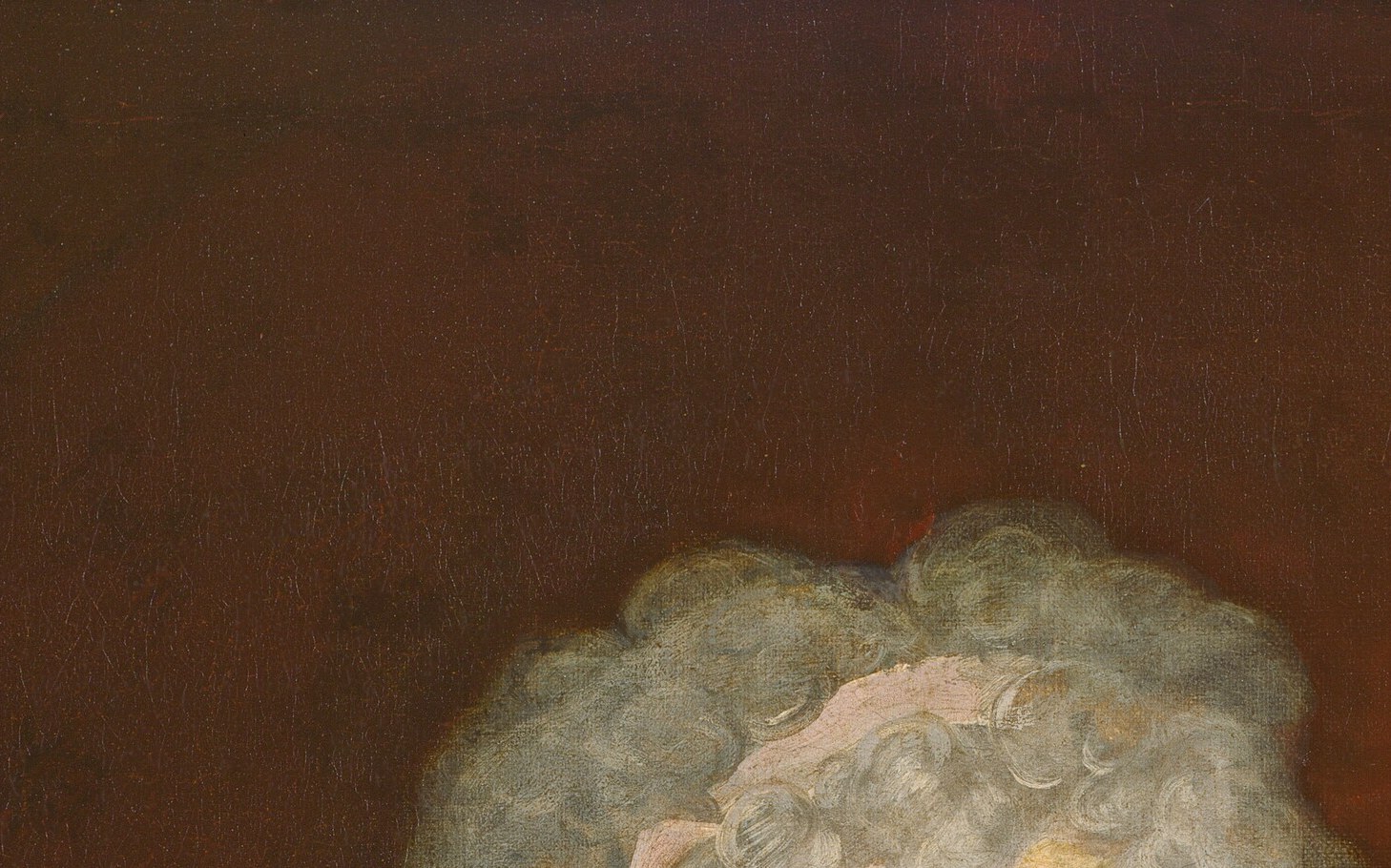
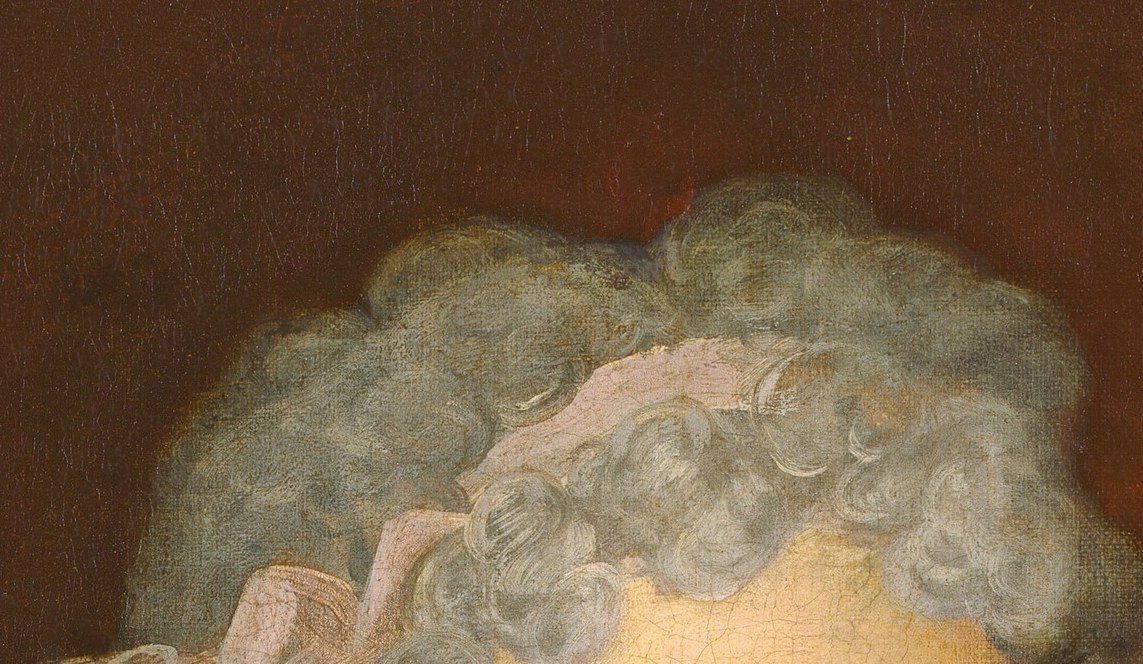
The most telling detail sits on her head. The powdered, high-dressed coiffure was a cornerstone of elite presentation, but by 1792 it was already fading. In 1795, Britain would impose a tax on hair powder, effectively killing the fashion. This portrait captures one of the last examples of a ritual that had defined a class. The sitter, composed and calm, becomes an accidental witness to the end of her own era.
Details
Transcript
1792, London. The French Revolution had entered its third year. But in this English portrait, none of that seems to touch her. Those vivid cheeks are almost pure paint. Deliberate, applied rouge. And the towering white hair is powdered, dressed, and ribboned. That hair-powder was a tax on aristocrats. Within three years, it would be gone. She is a witness to the last season of a disappearing world.