Four Dancers by Degas, Edgar
Edgar Degas, often associated with Impressionism, preferred to call himself a realist, a fact evident in his powerful painting, *Four Dancers*. Created around 1899, this oil on canvas, housed in a private collection, captures the intense physical and emotional world of ballet dancers.
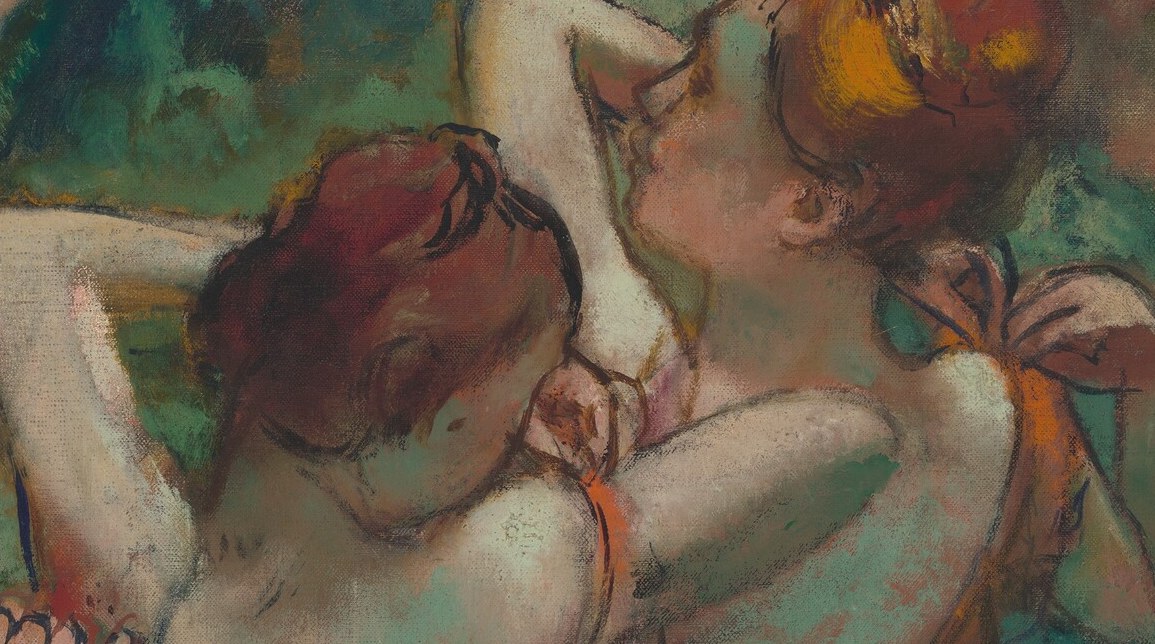
Look closely at the expressions and poses, like the central dancer's closed eyes, conveying deep concentration or utter exhaustion. Degas was fascinated by movement and the raw effort of these performers, a subject that consumed more than half of his artistic career. He wasn't interested in the glamorous performance, but the strenuous work behind it.
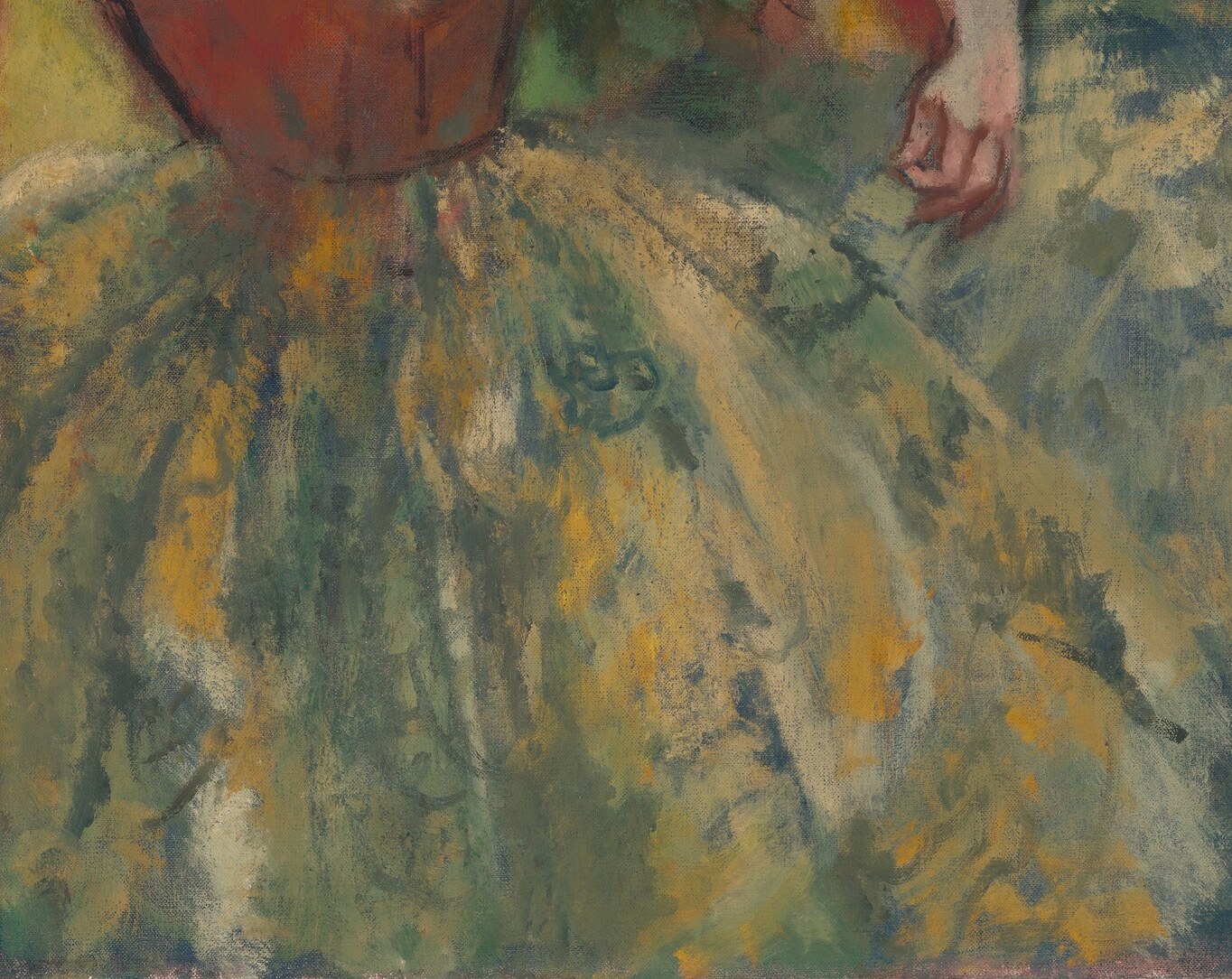
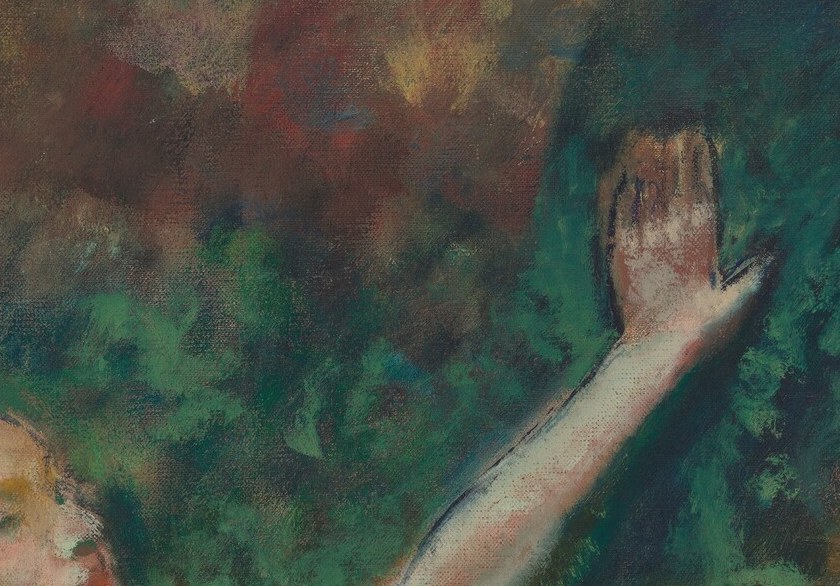
Degas constructed these scenes in his studio from observation and memory, setting him apart from many contemporaries who painted outdoors. This method allowed him to focus on the interplay of color, form, and the physicality of motion, giving his works a textured, almost unfinished appearance that perfectly suited his "realist" vision.
His dedication to depicting the human body in motion, especially that of dancers, offers a profound glimpse into a world of discipline and artistry.
Details
Transcript
Degas painted dancers for more than half his life. He sought moments of intense effort, not staged perfection. Notice her closed eyes, deep in concentration or exhaustion. His brushwork captures the raw energy, the sweat and strain. This late work shows his mastery of depicting physical movement. He remained a realist, showing dancers as working bodies.