Scenes from the Life of Christ by Giovanni Baronzio
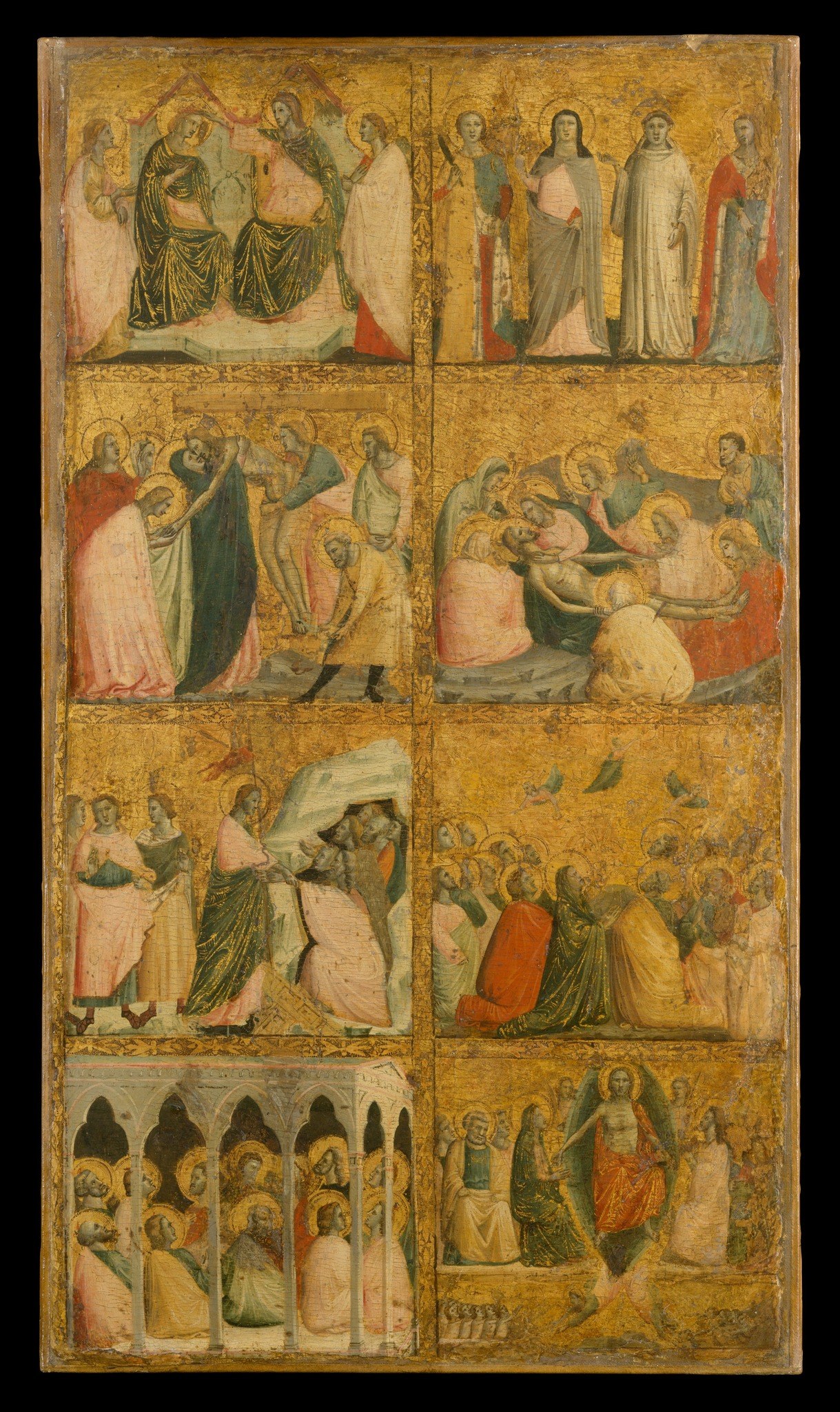
Giovanni Baronzio's 'Scenes from the Life of Christ,' painted around 1340, showcases an artist navigating a pivotal moment in art history. Housed at The Metropolitan Museum of Art, this panel painting is a fascinating example of how older Byzantine traditions persisted even as new artistic movements, like Giotto's, began to emerge.
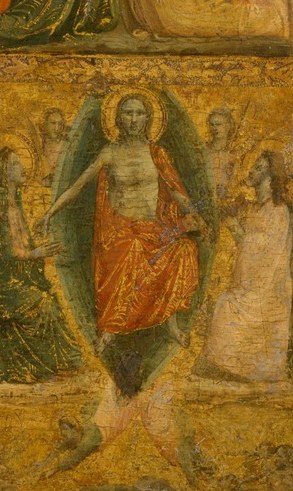
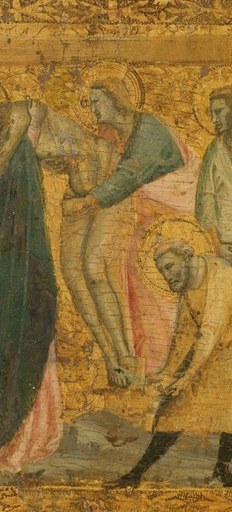
The painting is divided into eight distinct scenes from the life of Christ, each depicted with a stylized aesthetic. Look at the radiant gold leaf background, a hallmark of Byzantine art, and the figures who convey profound emotion through their poses, such as the mourning woman or the resurrected Christ.
Baronzio was part of the Rimini school, a regional movement influenced by Giotto. Yet, his work maintains a strong connection to iconographic conventions, prioritizing symbolic representation over the naturalism that Giotto championed. This blend of influences makes the work a compelling study of early 14th-century Italian painting.
What details in this painting capture your attention the most?
Details

Transcript
This painter lived near Giotto, a revolutionary artist. But his work held onto older traditions, like gold leaf. This panel shows scenes from Christ's life, in eight parts. Here, Christ rises, symbolizing new life. And here, a woman mourns over his body. Notice her intense grief, a profound human moment. This painting blends old styles with new influences.