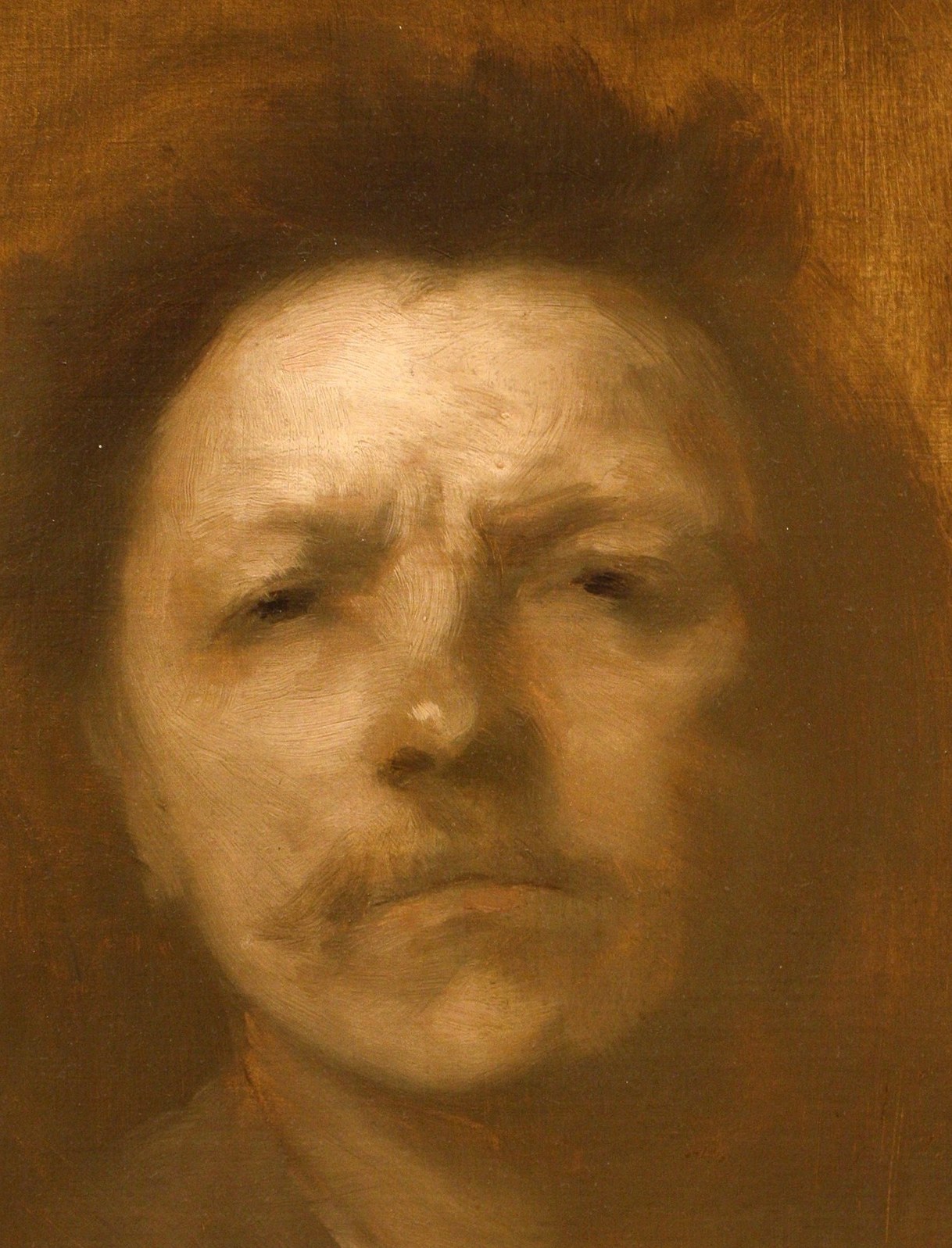
Self-Portrait by Eugène Carrière
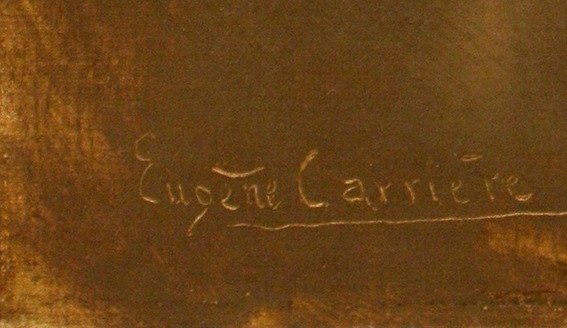
This is Eugène Carrière's Self-Portrait, painted around 1897 and now held at The Metropolitan Museum of Art. What looks like a quiet, introspective painting is also the survivor of a crime, the twin that got away.
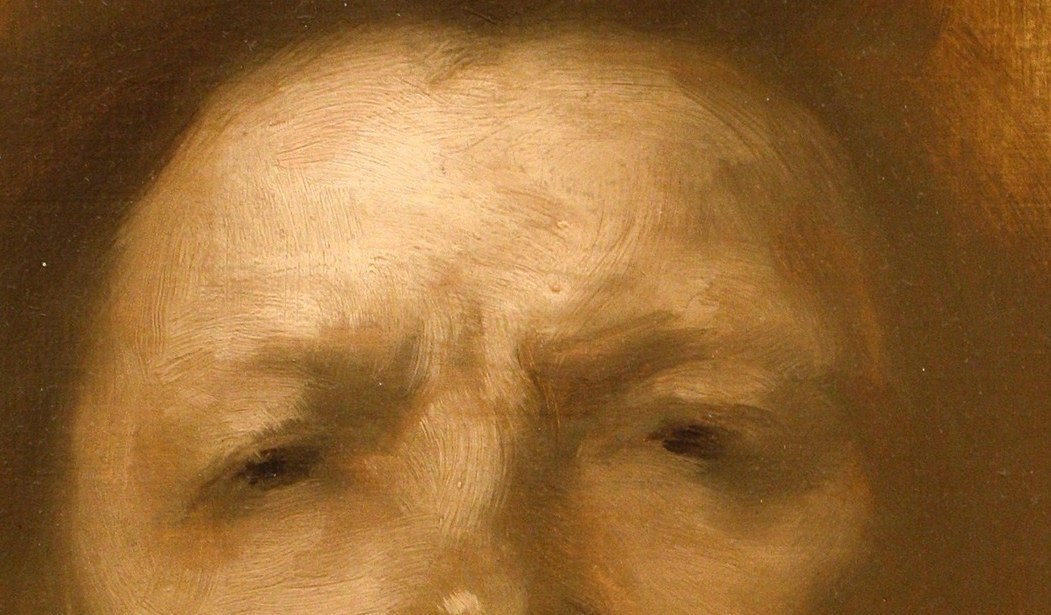
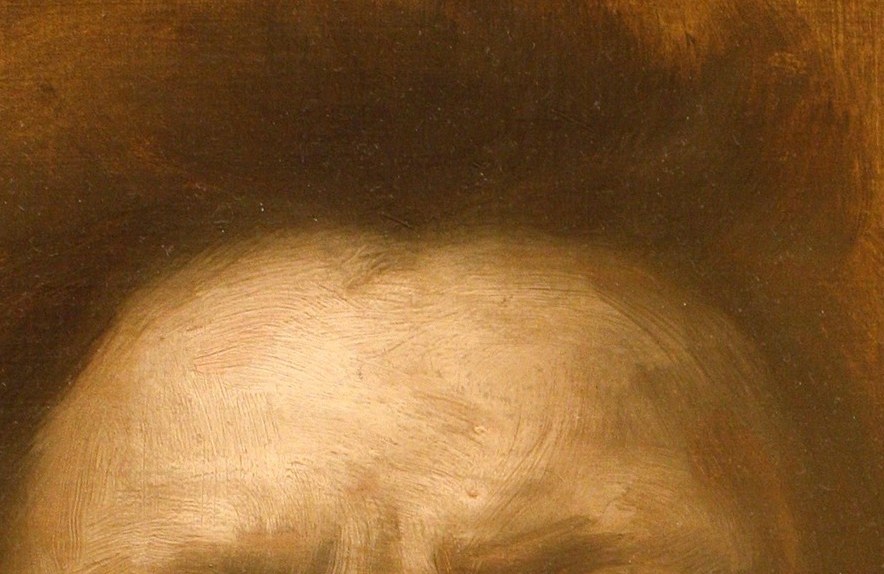
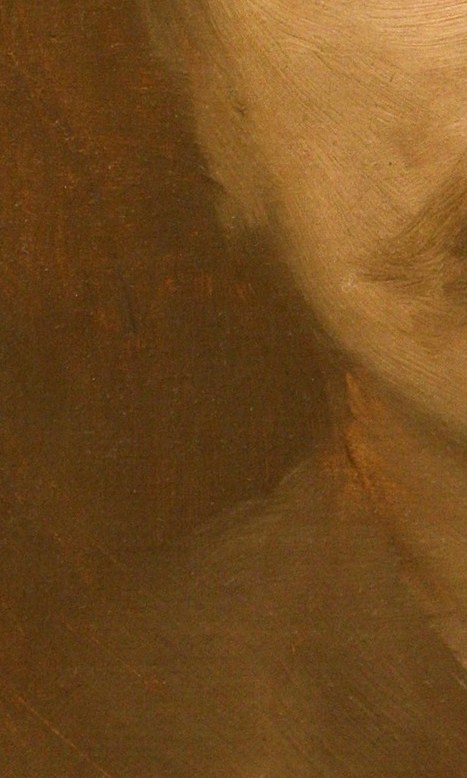
Look at how the face emerges from the void. Carrière built his reputation on this technique: a restricted palette of warm browns, blended until the skin glows and the background threatens to swallow the figure whole. The furrowed brow and tightly set mouth are unusually direct for such a soft style. He is not hiding behind the blur; he is looking right at you.
In 1987, a nearly identical self-portrait by Carrière was stolen from the Musée des Beaux-Arts in Nancy, France. Thieves simply lifted it from the wall. It remains missing to this day. The Met's version, which had been in the collection since the 1960s, was safe an ocean away.
Carrière was a close friend of Rodin and an early influence on Picasso's Blue Period. He died in 1906, never knowing one of his most personal works would become a cold case. What happens to a stolen painting that never surfaces?
Details
Transcript
Eugène Carrière always painted himself in a fog. Others saw it as a dreamlike style. But for him, this soft blur was a form of truth. A truth someone wanted badly enough to steal. In 1987, a near-identical self-portrait was lifted from a Paris museum. It has never been found. This one survived because it was already in New York.