Sunset on the River Oise by Charles François Daubigny
Charles François Daubigny's *Sunset on the River Oise* (1866) is a masterful study in capturing the transient beauty of light. The painting showcases the artist's innovative techniques in rendering atmospheric effects with oil paint. Daubigny, a key figure bridging the Barbizon school and Impressionism, was known for his direct observation of nature.
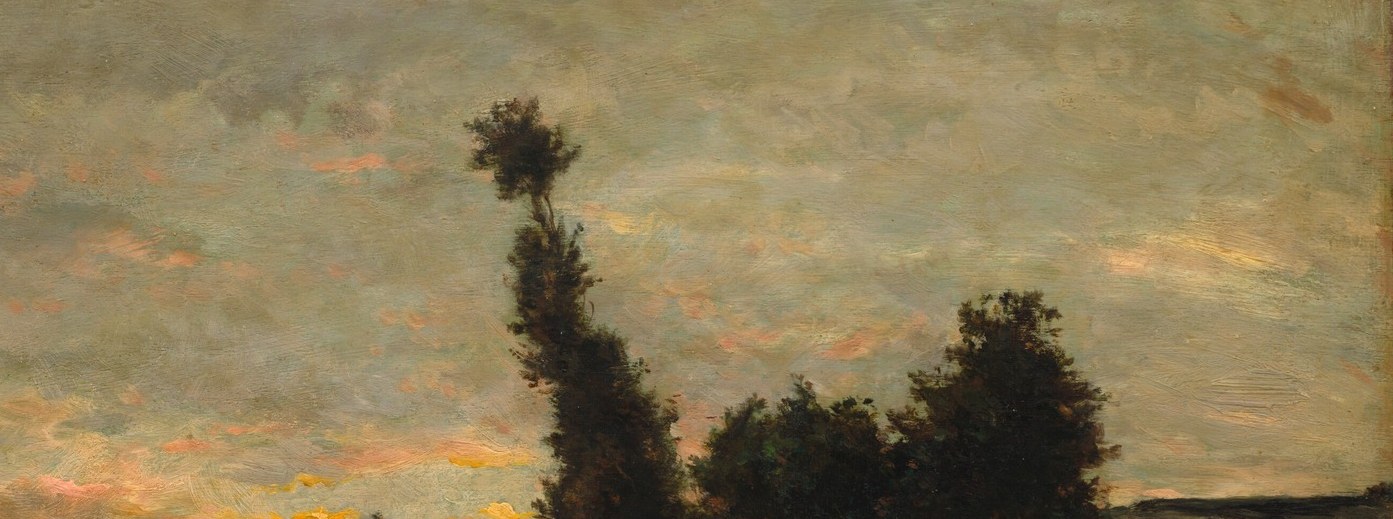
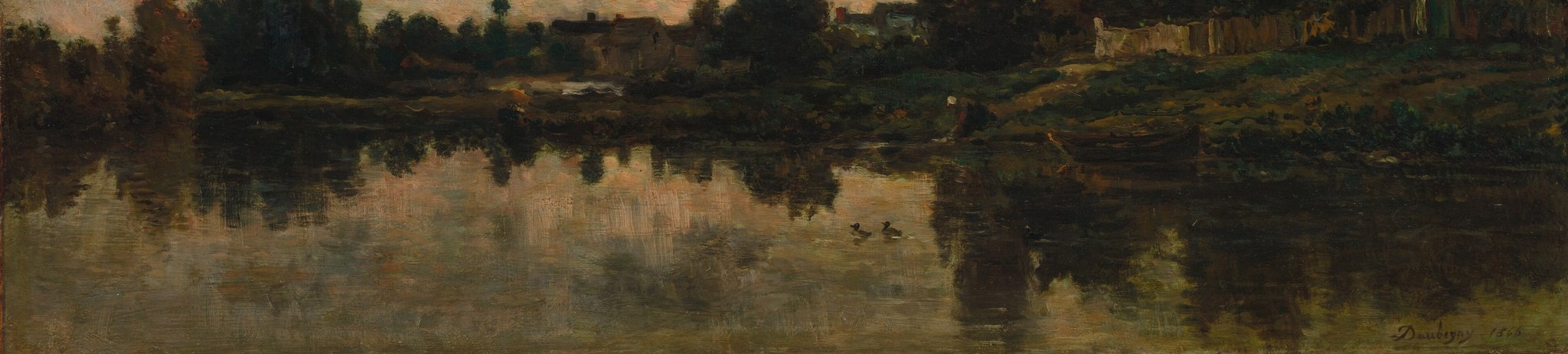
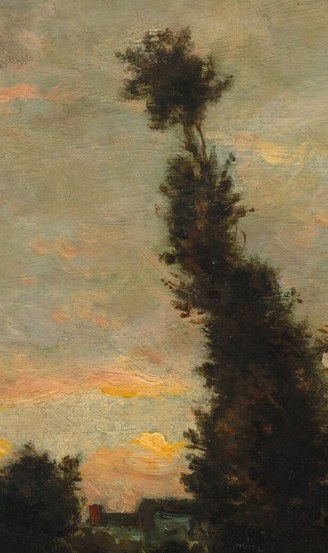
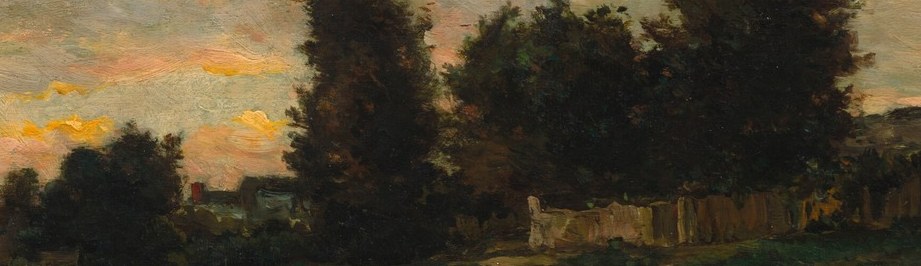
Observe the vibrant sunset sky, where pink and orange hues blend seamlessly, creating a soft, hazy glow. Then, focus on the river's surface. It acts as a mirror, capturing the sky's colors and the dark silhouettes of the trees with remarkable fidelity, doubling the scene and adding a profound sense of depth.
Created in 1866, this oil painting exemplifies Daubigny's commitment to plein air painting and capturing fleeting moments. He explored various mediums, including etching and cliché verre, always seeking new ways to represent the natural world. This work demonstrates his departure from academic precision towards a more impressionistic style.
The true trick here is how Daubigny makes oil paint seem to glow with an ethereal light. How does he achieve such a convincing illusion of luminous atmosphere?
Details
Transcript
This painter captured the light of dusk. See how the sky's colors blend. Oil paint creates this soft glow. Look at the river’s reflection. Water mirrors the painted sky. The trees’ reflection shows it. He rendered this impossible light.